
 EN
EN


Proven Industry Experience and Application-Specific Expertise
Track Record in Regulated Sectors: Aerospace, Medical, and Automotive
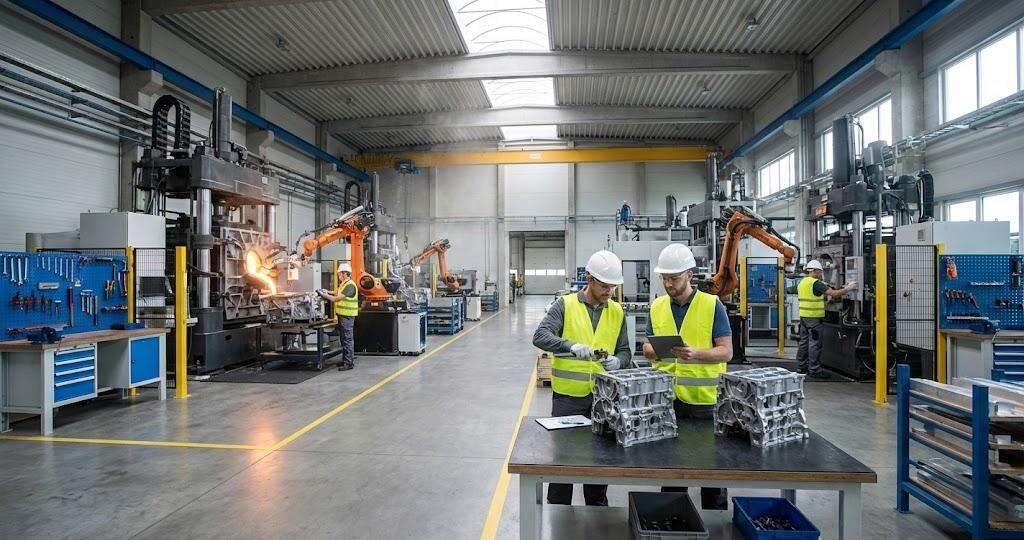
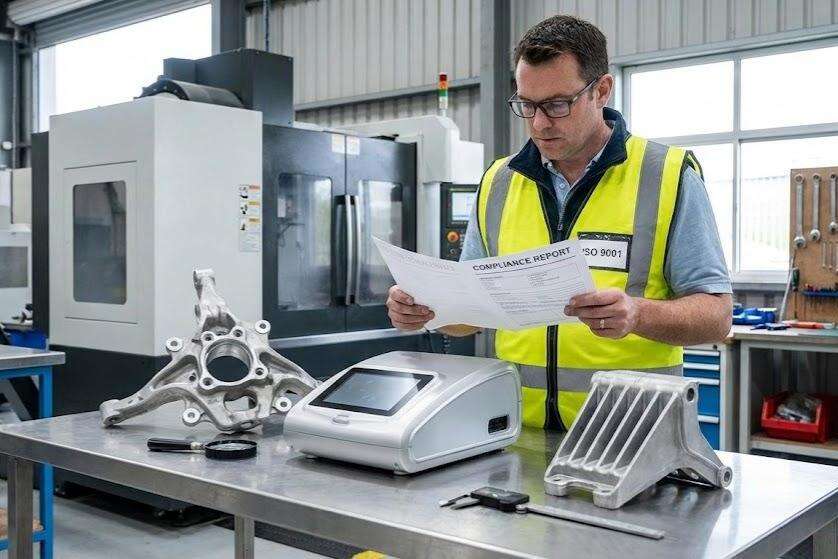
When looking for a die casting factory that has worked successfully in regulated fields, it shows they have skills that go way beyond regular manufacturing operations. Take aerospace for instance - companies here must follow AS9100 rules because if even one part doesn't meet specs, entire aircraft fleets might be grounded until fixed. For medical devices, factories need ISO 13485 certification. They check porosity levels carefully since implants need to work properly inside human bodies and survive repeated sterilizations without breaking down. In automotive manufacturing under IATF 16949 guidelines, there are strict controls on parts involved in safety systems such as steering components. Plants working in these areas usually run multiple layers of quality checks alongside continuous monitoring through sensors. According to research published in Journal of Advanced Manufacturing last year, this approach cuts defects by around two thirds compared to standard manufacturers. These specialized facilities tend to get products validated quicker and face fewer issues during production approval processes.
Beyond Tenure: How Process Discipline and Failure Analysis Define True Reliability
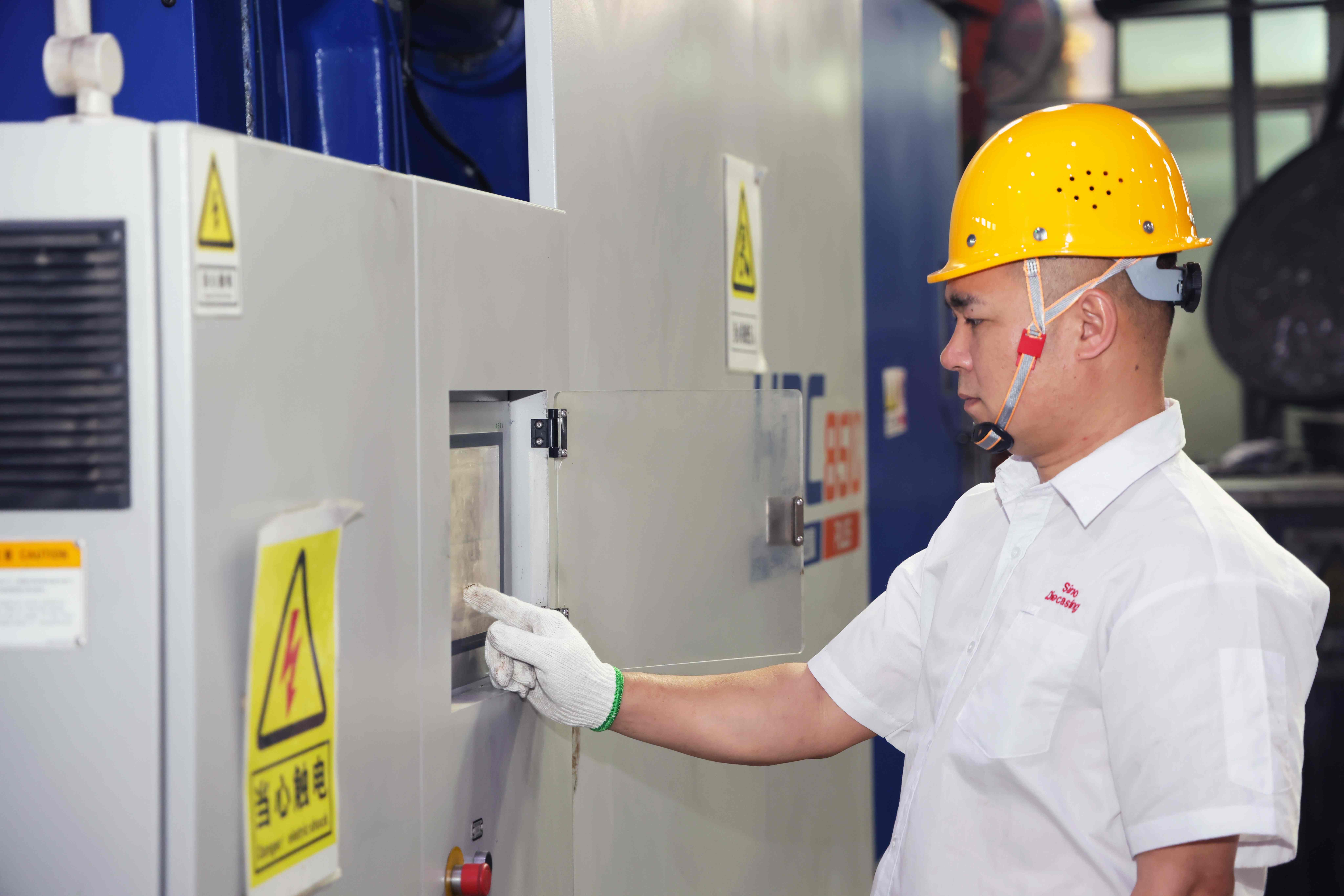
Just because something lasts a long time doesn't mean it's actually good at what it does. What really matters is how disciplined the processes are when things go wrong. The best manufacturing plants have built FMEA right into their tool designs so they can spot problems before they happen, like those pesky cold shuts or annoying gas pockets getting trapped. These facilities run closed loop correction systems that track everything from tiny temperature changes in alloys to strange forces during ejection, all while feeding this data into smart AI models that predict issues ahead of time. According to research from Ponemon Institute back in 2023, companies that figure out why defects occurred within just four hours saved around $740,000 each year on scrap materials. Operations like these stay competitive not just because they fix problems fast, but because they learn from them continuously.
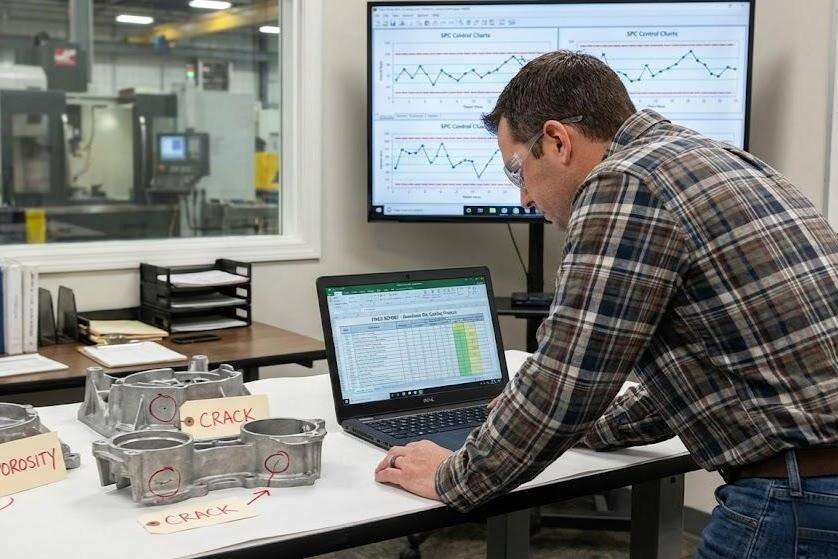
- Digital process signatures for every casting cycle
- In-house metallurgical labs for microstructure validation via cross-sectioning
- Automated optical scanning for dimensional compliance
This systematic approach prevents recurring errors, extending component lifetimes by 22% in accelerated testing versus industry benchmarks.
Certifications and Metallurgical Rigor for Consistent Die Casting Quality
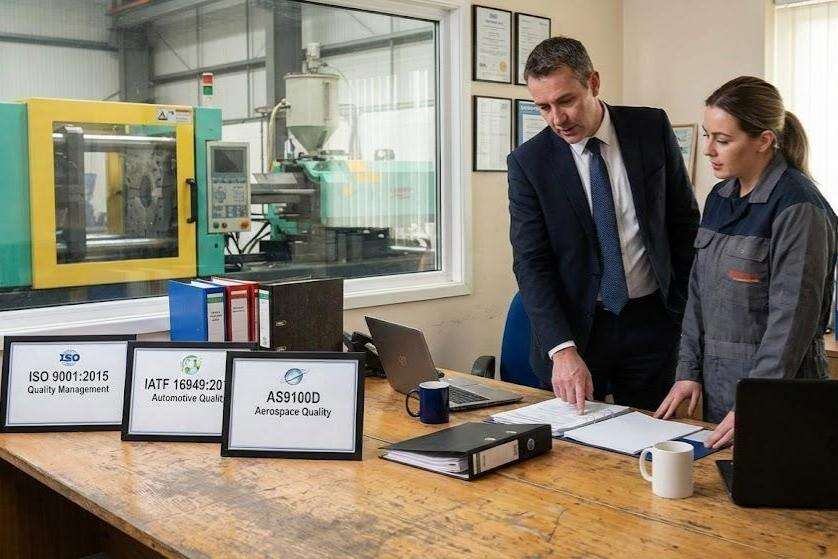
ISO 9001, IATF 16949, and AS9100 as Benchmarks—Not Just Badges
Top die casting plants don't just hang ISO 9001, IATF 16949, and AS9100 certificates on their walls—they actually live by them every day. These standards force companies to implement strict control systems throughout their operations, especially important in industries like automotive manufacturing, aerospace components, and medical device production where quality is non-negotiable. Take IATF 16949 for instance—it insists on detailed records whenever something goes wrong during production. Meanwhile, AS9100 gets even stricter about tracking materials all the way from when they're melted down until they leave the factory floor. Plants that maintain these certifications tend to have about 30 percent fewer recurring defects according to independent quality checks. That means less wasted material overall and products that consistently meet specifications batch after batch.
Porosity Control, Tensile Testing, and Dimensional Validation Protocols
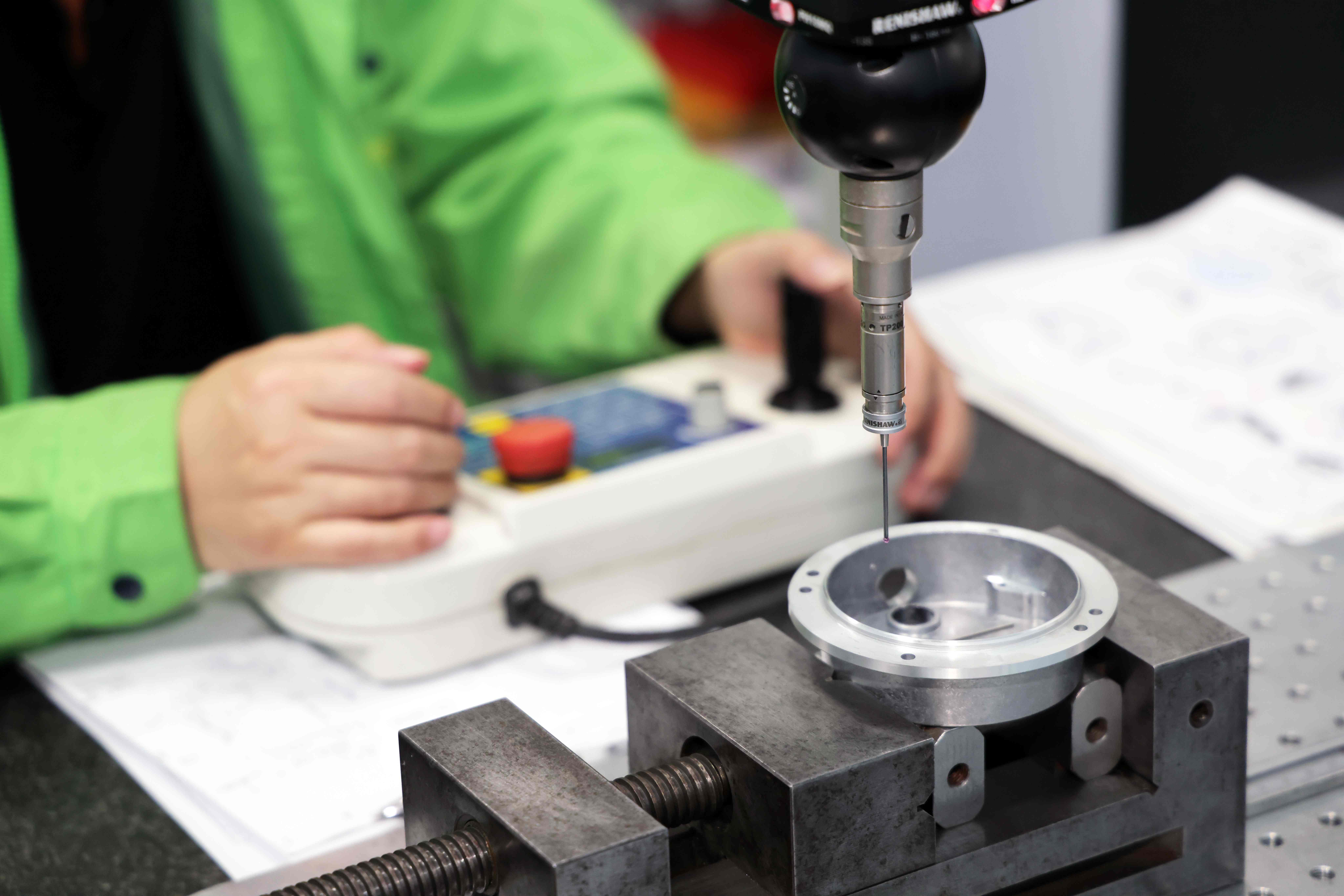
Metallurgical rigor starts with porosity testing using X-ray or CT scanning, followed by material integrity validation through:
- Tensile strength tests per ASTM E8
- Coordinate measuring machines (CMM) achieving ±0.05mm tolerances
- Statistical process control (SPC) charts tracking 15+ dimensional parameters
Consistent implementation of these protocols prevents latent defects in aluminum or zinc components—and distinguishes qualified partners from basic suppliers.
Material Mastery: Aluminum, Zinc, and Magnesium Die Casting Capabilities
Choosing materials for die casting really impacts how well parts perform, what they cost, and how long they last. This requires knowing quite a bit about different metal alloys. Take aluminum alloys for instance. The A380 and ADC12 grades have this great strength compared to their weight, which is why they work so well in things like car engines and airplane parts where stress levels are high. Then there's zinc alloys like Zamak 3 and 5 that let manufacturers create complex shapes with very thin walls while maintaining good size consistency over time. These are often used in electronics cases and other precise machinery components. Magnesium alloys such as AZ91D represent another approach altogether. They're actually lighter than aluminum by around 35%, yet still maintain decent strength relative to their weight. That makes them particularly attractive for stuff like portable medical equipment where every gram counts but structural integrity remains important.
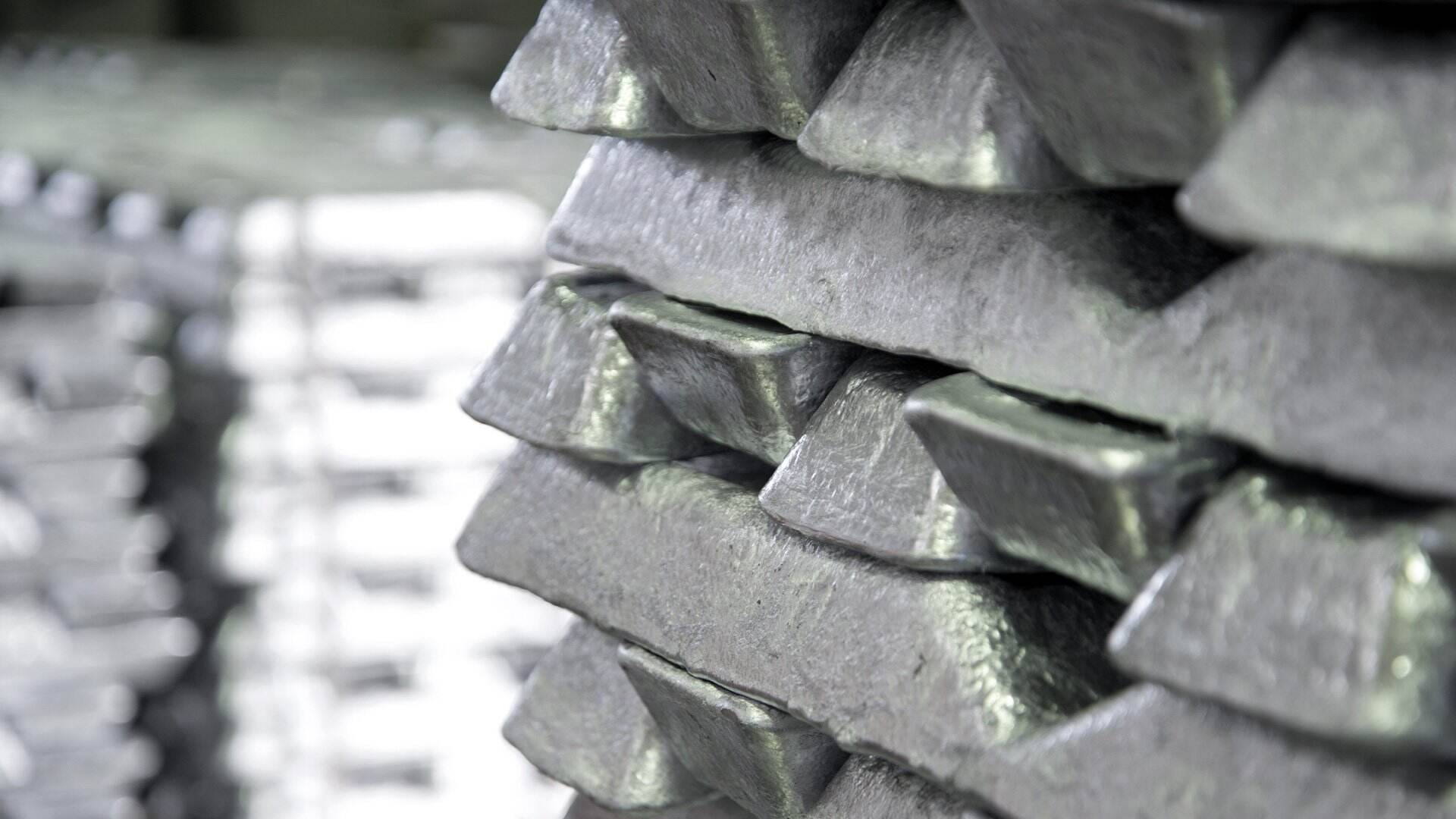
Each alloy requires distinct process controls: aluminum demands precise thermal management to prevent porosity; zinc needs optimized injection speeds for detail fidelity; magnesium necessitates strict oxidation prevention during melting and transfer. Prioritizing this metallurgical mastery ensures components meet exacting industry benchmarks for durability, tolerances, and lifecycle cost.
End-to-End Technical Support: From DFM to Precision Finishing
Design for Manufacture Collaboration Cuts Prototyping Time and Cost
Getting everyone involved in DFM (Design for Manufacturability) early on can really shorten those prototyping cycles, maybe around 30 to 50 percent according to industry data. Before any actual production starts, foundry engineers take a close look at how parts are shaped, where materials will flow during casting, and whether tools can actually handle the job. They spot problems ahead of time too, things like tiny air pockets forming inside castings or areas where metal might crack under stress. At the computer modeling stage, adjustments get made to things like how thick walls should be, where ribs need to go, and how molten metal enters the mold cavity. These changes prevent expensive mold fixes down the road when it's already too late. Studies from Process Efficiency Review back this up, showing structured DFM approaches can slash development costs somewhere near 40%. And what does that mean? Faster products hitting shelves while still maintaining good quality standards across the board.
In-House Machining, Anodizing, and Tight-Tolerance Surface Finishes
The integrated post casting process keeps parts within about 0.05mm tolerance range, which is pretty impressive for most applications. We handle all the important machining work ourselves inside our facility, so we don't have to send out components for things like threaded inserts or mounting surfaces. This cuts down on delays and quality issues from outside vendors. When it comes to protecting against corrosion, anodizing works great because it creates that protective oxide layer on the metal surface. Plus, it lets us add colors that match brand requirements without compromising durability. For those really important parts where failure isn't an option, our surface treatments including powder coating and chemical films actually pass those tough military spec tests for adhesion. And speaking of reliability, our vertical integration approach means fewer headaches with suppliers and gets products to market roughly 25% faster according to recent manufacturing benchmarks from last year.
Operational Transparency and Scalable Partnership Readiness
Virtual or On-Site Facility Tours: Assessing Real-Time Process Control
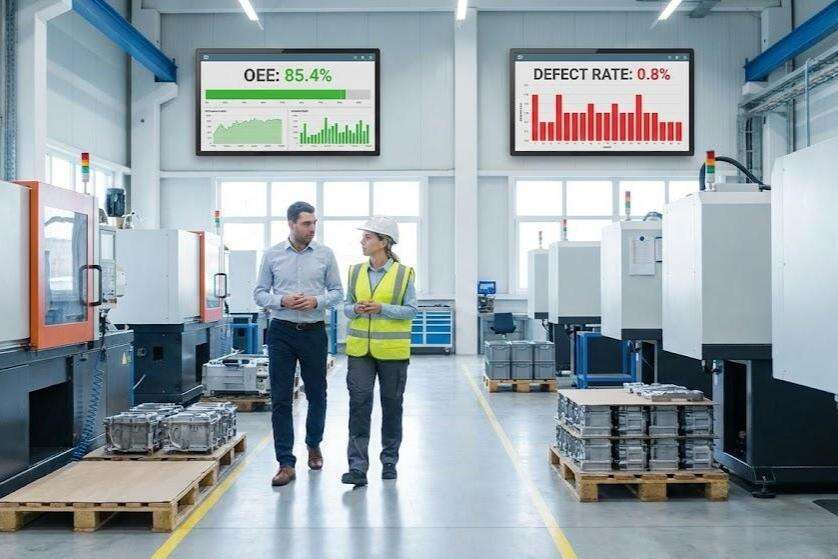
When looking at die casting operations, it's wise to check out factories that offer either virtual or actual site visits. These kinds of inspections give valuable insight into how things actually run on the ground level. They show what happens during production, how materials are moved around, and what kind of quality checks are in place all factors that really matter for keeping supply chains strong. Top tier manufacturers often have digital dashboards showing everything from production cycles to defect counts and even equipment efficiency metrics like OEE. All this openness helps business partners understand exactly what they're getting into when working with these suppliers.
- Identify potential bottlenecks before project initiation
- Verify compliance with tight tolerances (e.g., ±0.005" for medical components)
- Assess workforce training standards and safety culture
Facilities with open-tour policies reduced client onboarding delays by 34% and improved defect resolution speed by 28% (Manufacturing Benchmark Report, 2023). Demand documented evidence of statistical process control during evaluations—ensuring your partner can scale volume without sacrificing precision.
FAQ Section
What certifications should a die casting factory have for regulated sectors?
To operate in regulated sectors like aerospace, medical, and automotive, a die casting factory should have certifications such as AS9100 for aerospace, ISO 13485 for medical devices, and IATF 16949 for automotive manufacturing.
Why is failure analysis important in die casting operations?
Failure analysis is crucial because it helps identify the root causes of defects and ensures processes can be adjusted to prevent future issues. This approach not only fixes problems promptly but builds long-term reliability and efficiency.
What are the benefits of early DFM (Design for Manufacturability) collaboration?
Early DFM collaboration helps in identifying potential design and tooling issues before actual production begins, which can significantly reduce prototyping time and cost by making adjustments early in the design process.
How do certifications like ISO 9001, IATF 16949, and AS9100 improve quality?
These certifications enforce strict control systems in operations, leading to fewer defects and ensuring consistent product quality. Compliance with these standards results in better tracking and documentation processes, reducing the chances of recurring production issues.
What role does material mastery play in die casting?
Mastery over materials like aluminum, zinc, and magnesium ensures that the die casting process meets strict benchmarks for durability, tolerance, and cost-effectiveness. Each material requires specific process controls to maximize efficiency and product quality.
Table of Contents
- Proven Industry Experience and Application-Specific Expertise
- Certifications and Metallurgical Rigor for Consistent Die Casting Quality
- Material Mastery: Aluminum, Zinc, and Magnesium Die Casting Capabilities
- End-to-End Technical Support: From DFM to Precision Finishing
- Operational Transparency and Scalable Partnership Readiness
-
FAQ Section
- What certifications should a die casting factory have for regulated sectors?
- Why is failure analysis important in die casting operations?
- What are the benefits of early DFM (Design for Manufacturability) collaboration?
- How do certifications like ISO 9001, IATF 16949, and AS9100 improve quality?
- What role does material mastery play in die casting?