
 EN
EN



Design for Manufacturability: Foundation for Precision CNC Machining
DFM Principles to Eliminate Costly Redesigns
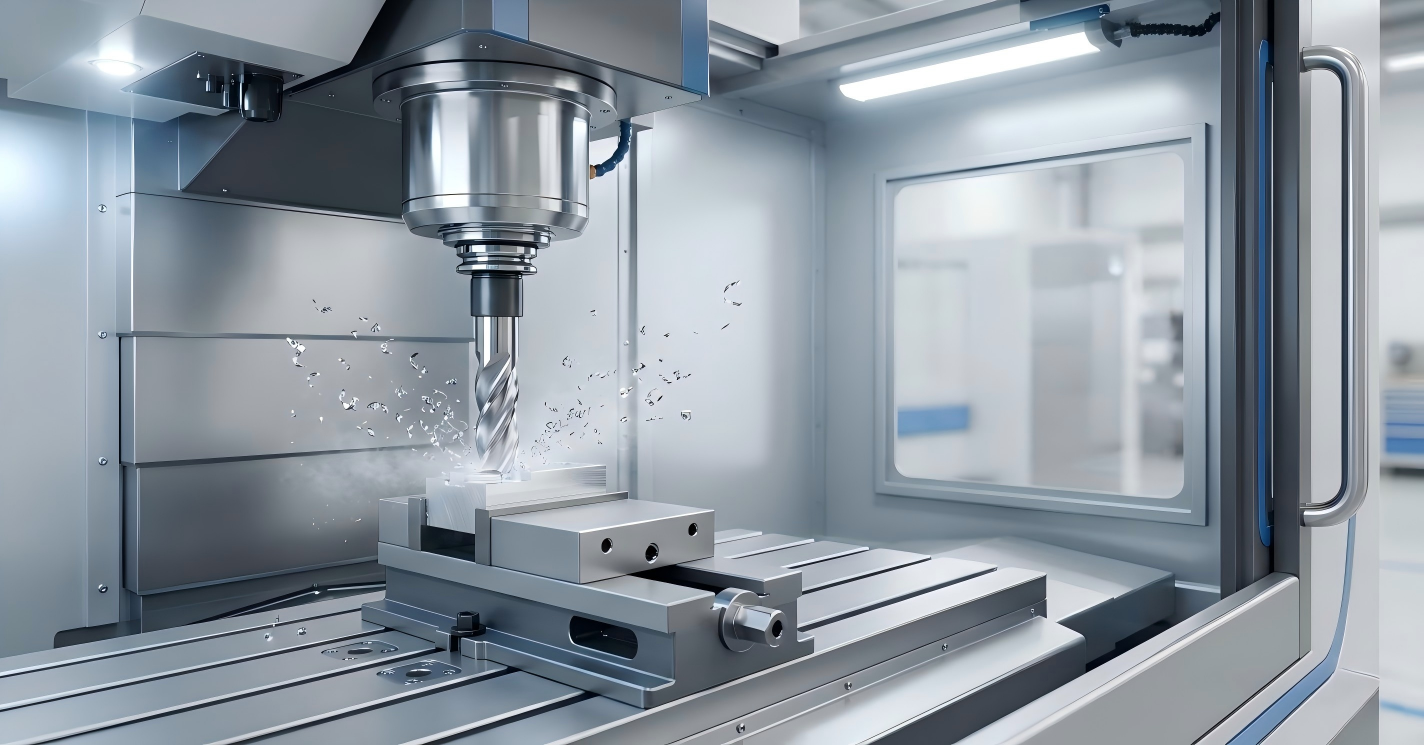
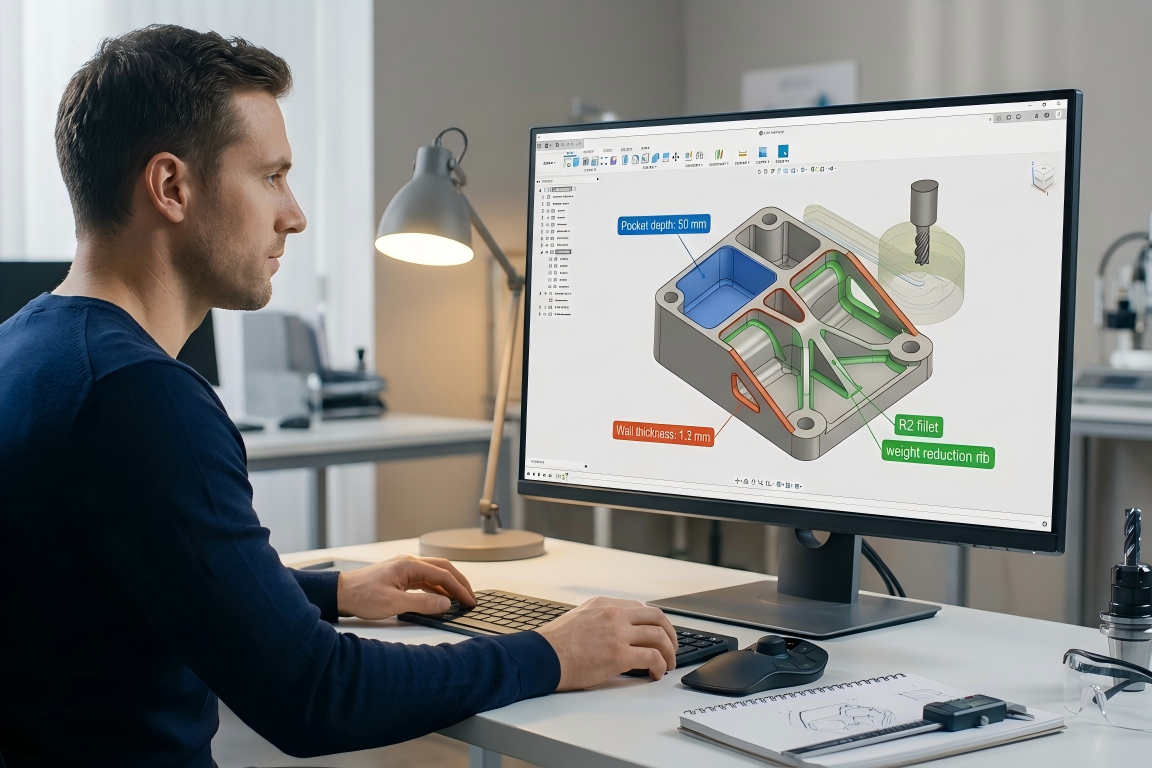
DFM or Design for Manufacturability really matters when it comes to getting good results from CNC machining without running into problems later on like having to redesign parts at the last minute, missing deadlines, or dealing with overly complicated designs. Getting the part shape right from the start helps avoid those tricky areas that take way longer to machine. Think about those deep pockets, thin slots, and those undercut areas that can eat up machining time maybe around 40% extra and just wreck tools faster too. When parts are designed with standard features that work well with common cutting tools, there's no need for special tools which saves money on setups probably cutting costs down somewhere around 25%. Picking materials makes sense too balancing what the part needs to do against how easy it is to machine. Take 6061 aluminum versus titanium for instance. Aluminum cuts about 30% quicker and works fine for most stuff outside aerospace applications where strength requirements aren't so extreme. And whenever possible going with three-axis machining instead of multi-axis options simplifies programming, cuts down on mistakes during production, and gets things done quicker overall.
Tolerance Planning: Aligning Spec Tightness with CNC Capability and Cost
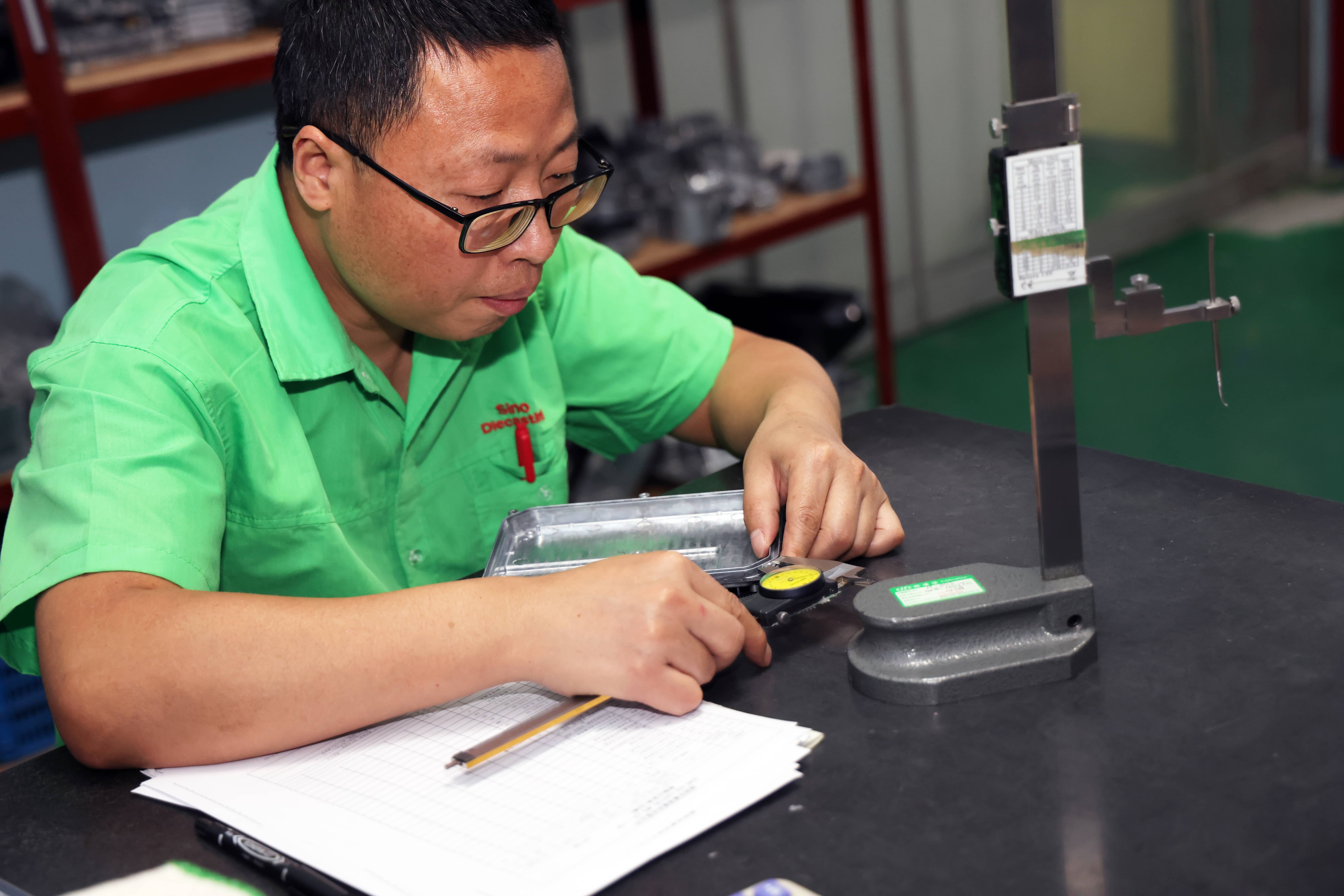
When setting tolerance specs, it's important to balance what the part actually needs to function properly against what can realistically be manufactured. Going way beyond ±0.005 inches usually means paying through the nose for special tools, longer setup times, and lots of quality checks. Better to focus tight tolerances just where they really matter like bearing seats or sealing areas, keeping standard ±0.01 inch specs elsewhere. This smarter approach typically saves between 15 and 35 percent on machining costs without hurting performance since most commercial parts work just fine within regular CNC capabilities anyway. GD&T is great for spelling out exactly how a part should fit and function, cutting down on those frustrating situations where different people interpret drawings differently and end up needing rework. And remember to check if the tolerances make sense with whoever will actually machine the part during prototype testing, not once things are already rolling off the production line.
Material-Specific CNC Machining Strategies
Optimizing Tool Selection and Cutting Parameters by Material
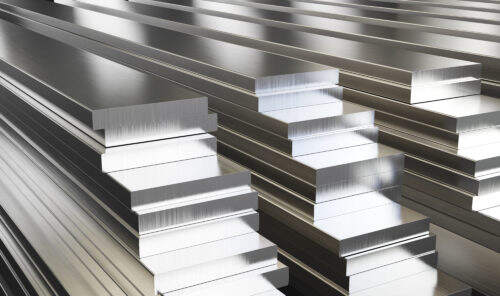
The characteristics of materials play a big role in determining what works best for tooling choices, cutting speeds, feed rates, and how we handle cooling during machining operations. For instance, aluminum alloys typically respond well to high speed carbide tools without coatings since they help prevent buildup issues. Stainless steel tells a different story though – tougher carbide grades are needed here and operators usually stick to moderate speeds to avoid problems with work hardening. Then there's exotic stuff like Inconel which pushes the envelope even further. These materials need specialized solutions such as ceramic or cubic boron nitride (CBN) inserts along with very careful feed rates below 0.15 mm per tooth while managing heat aggressively becomes absolutely critical. Cooling approaches also vary quite a bit depending on what we're working with. Flood coolant generally does the trick for aluminum parts, but when dealing with titanium components, manufacturers often turn to high pressure through-tool systems that can exceed 1000 psi just to keep temperatures under control. Putting all these material specific considerations together properly has been shown to cut down cycle times significantly in real world scenarios, sometimes saving around 24% according to data from various aerospace prototyping projects over recent years.
Achieving Consistent Surface Finish Across Aluminum, Stainless Steel, and Exotics
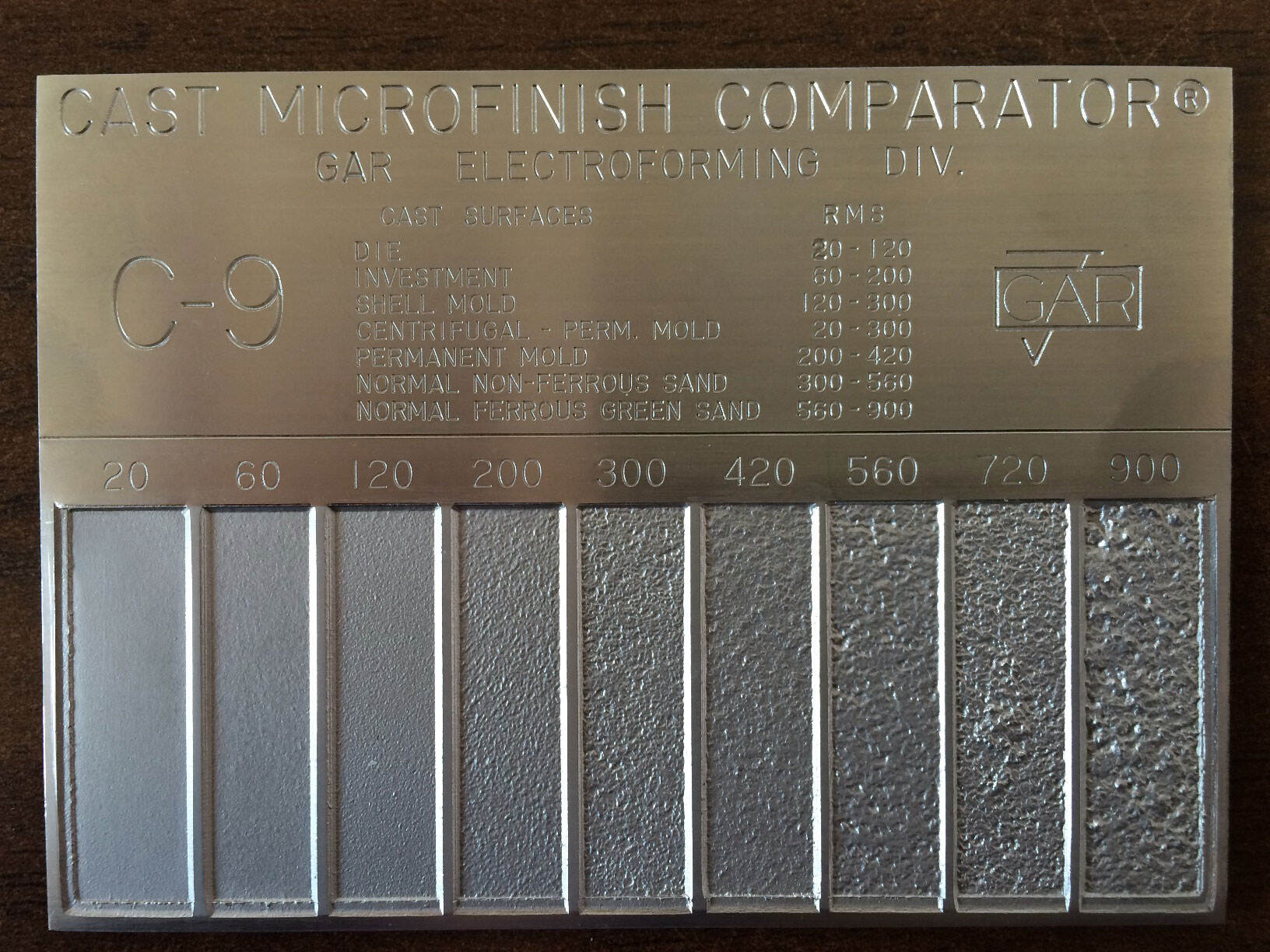
Getting consistent surface finishes really comes down to adapting the process rather than sticking to one-size-fits-all settings. Take aluminum for instance – because it melts so easily, we need to get those chips out fast to avoid problems like galling and smearing. Stainless steel works differently though. We typically aim for around 35% radial engagement here and keep finish passes under about 0.05 mm to get that nice polished look without any burrs. When working with copper alloys or thermoplastics, sharper tools make all the difference. Something like a 15 degree rake angle helps prevent deformation issues and reduces burring significantly. After machining is done, we check those Ra values using non-contact measurement techniques. These usually fall somewhere between 0.4 and 3.2 micrometers, which matters a lot when dealing with dynamic seals or optical connections. Temperature control plays a big role too. Machines need proper warm up time and coolant temps should stay within plus or minus 2 degrees Celsius. This thermal stability is what allows us to maintain that micron level accuracy required for things like precision optics or high grade metrology components.
Process Control Tactics for Repeatable Dimensional Accuracy in CNC Machining
Machine Calibration, Fixturing Stability, and Thermal Management
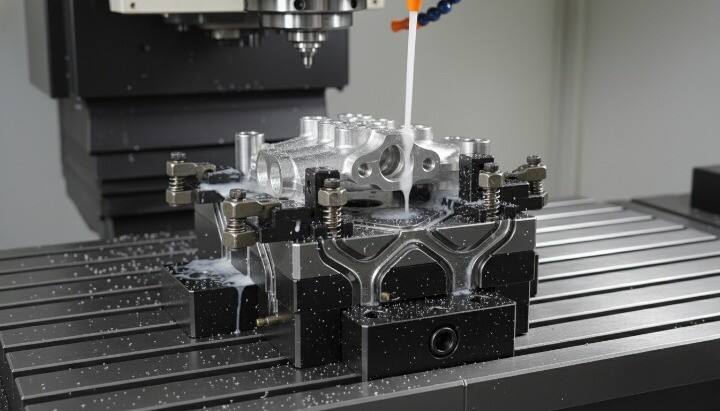
Getting micron level accuracy isn't just about having good machines; it requires strict process control throughout. Shops need to regularly check spindle alignments, validate how axes move, and apply volumetric compensation to maintain shape integrity over time. The right fixturing makes all the difference too. Modular setups with high rigidity can handle complex parts while still keeping things stable enough to prevent vibrations from causing chatter or positional problems during machining. Temperature matters just as much though. Even small changes in ambient conditions above or below +/- 1 degree Celsius will actually change dimensions measurably, especially when working with materials like aluminum that expand quite a bit when heated (about 23 micrometers per meter per degree Celsius). That's why many shops implement proactive thermal management strategies such as running warm up cycles before production starts and using closed loop systems to keep coolant temperatures consistent. Most serious precision machining operations follow these kinds of thermal stability guidelines that have been tested and validated across the industry.
In-Process Inspection and Adaptive Compensation Techniques
When real time feedback gets added to CNC machining, it changes everything from simple open loop operation to something much smarter called closed loop control. Modern machines now come equipped with touch probes and laser scanners that check dimensions while parts are still being made. These devices spot when measurements drift beyond acceptable limits, usually around plus or minus 0.005 millimeters. Once detected, the system automatically adjusts tool paths or makes other necessary corrections right away before any major problems develop. Many shops also integrate statistical process control into their workflow. This helps catch small issues like gradual tool wear long before they start affecting product quality. Some manufacturers report impressive results too. Adaptive compensation methods where tools adjust themselves based on built in wear sensors can cut down scrap rates by nearly 40%. At the same time, these advanced systems maintain excellent surface finishes below 0.4 micrometers Ra throughout entire production batches, which is critical for high precision manufacturing applications.
Post-Machining Validation and Quality Assurance Best Practices
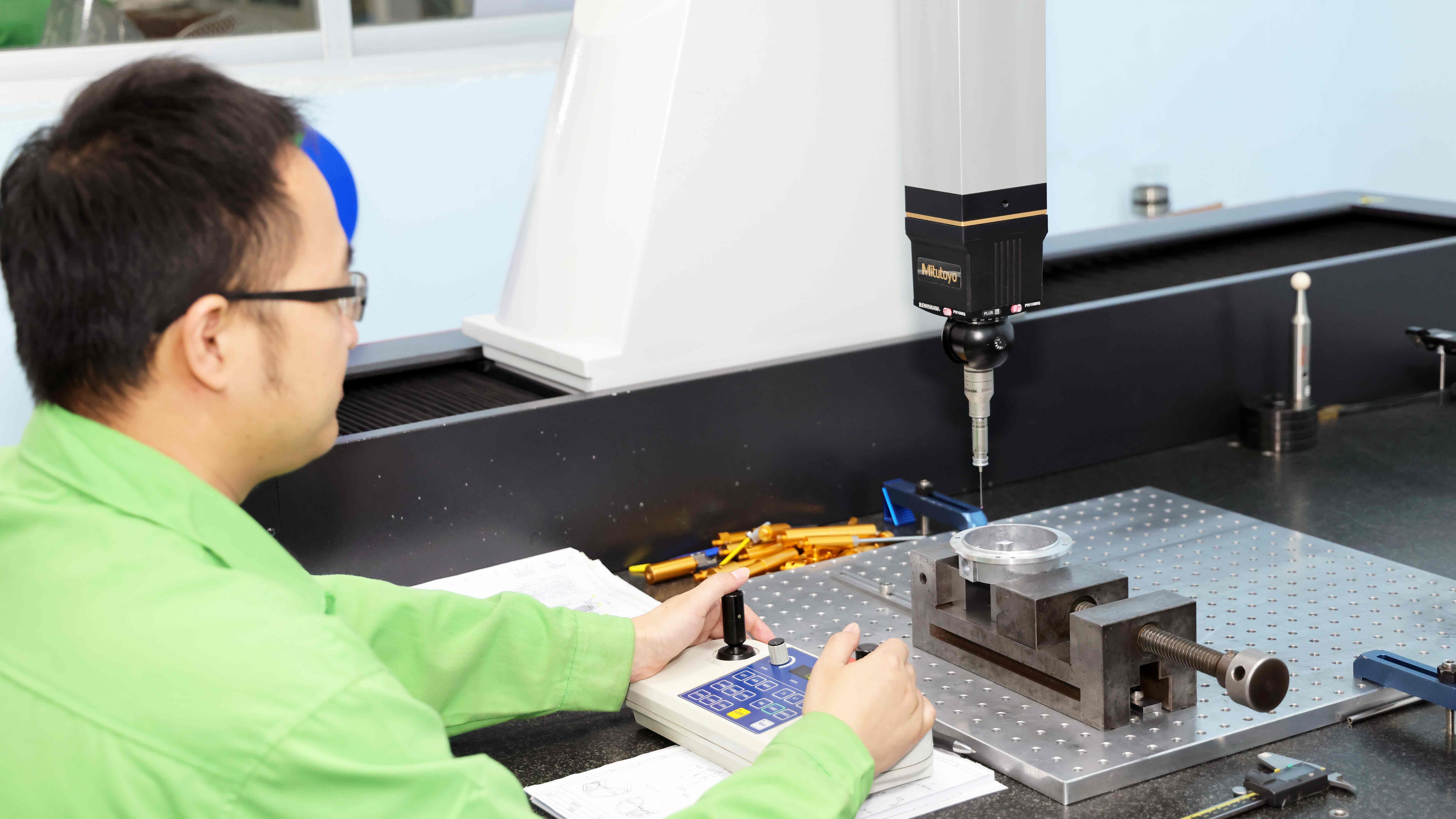
Post machining checks are essential for making sure parts work properly, meet regulations, and last over time. The main tests involve checking dimensions with those big coordinate measuring machines, assessing how smooth surfaces are with special profilometers, and confirming materials through hardness tests or looking at their chemical composition. When manufacturers implement statistical process control techniques, they can cut down defects by around half in high precision work because these methods catch problems early before anything goes wrong. Keeping detailed records matters a lot too. Inspection reports, logs when something doesn't meet specs, and tracking where materials came from all help improve processes and pass audits from standards like ISO, AS9100, or the FDA. Especially important for parts used in planes or medical devices, non destructive testing becomes crucial. Techniques like dye penetrant inspection or micro focus X rays give that extra check on quality without changing how the part looks or functions.
Frequently Asked Questions (FAQ)
What is Design for Manufacturability (DFM) in CNC machining?
Design for Manufacturability (DFM) involves designing parts in a way that makes them easier, faster, and less expensive to manufacture, eliminating costly redesigns and optimizing CNC machining processes.
How does material choice affect CNC machining?
The choice of material greatly affects tooling, cutting speeds, and thermal management. For example, aluminum is more machinable than titanium and allows for quicker machining processes.
Why is tolerance important in CNC machining?
Tolerance determines the allowable variation in a part's dimensions. Setting appropriate tolerances is crucial to balance manufacturing capabilities and cost while ensuring functional accuracy.
How are surface finishes achieved consistently across different materials?
Consistent surface finishes are achieved by adapting machining processes to the specific material properties, such as adjusting tool angles, cutting speeds, and cooling methods.
What role does process control play in achieving precision in CNC operations?
Process control, including machine calibration, temperature management, and in-process inspection, is vital for maintaining high precision and dimensional accuracy in CNC machining.
Table of Contents
- Design for Manufacturability: Foundation for Precision CNC Machining
- Material-Specific CNC Machining Strategies
- Process Control Tactics for Repeatable Dimensional Accuracy in CNC Machining
- Post-Machining Validation and Quality Assurance Best Practices
-
Frequently Asked Questions (FAQ)
- What is Design for Manufacturability (DFM) in CNC machining?
- How does material choice affect CNC machining?
- Why is tolerance important in CNC machining?
- How are surface finishes achieved consistently across different materials?
- What role does process control play in achieving precision in CNC operations?