
 EN
EN


Precision Engineering and Tight Tolerance Control
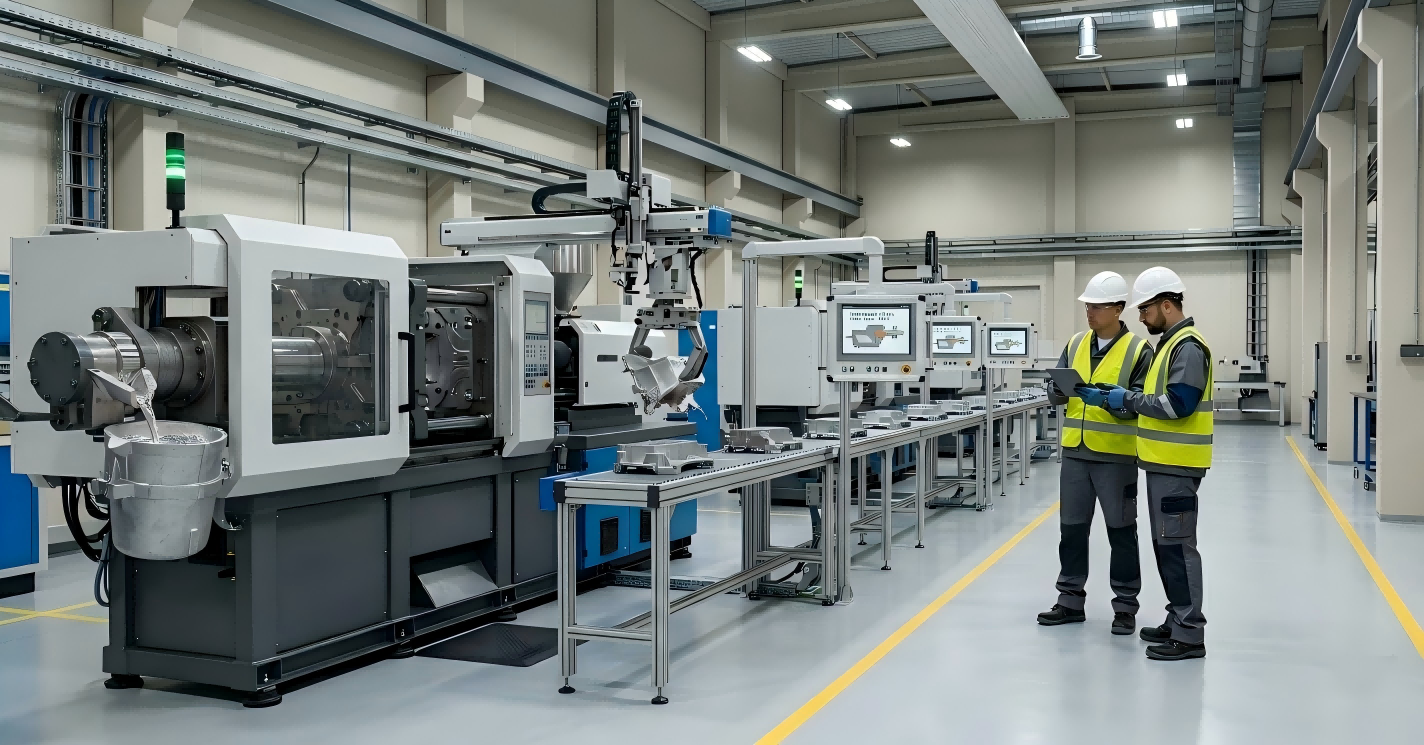
Leading die casting factories achieve competitive advantage through micron-level precision, where ±0.05mm dimensional accuracy is standard—even in high-volume production. This demands integrated systems combining advanced process controls with rigorous validation protocols.
Achieving ±0.05mm Dimensional Accuracy Across High-Volume Production
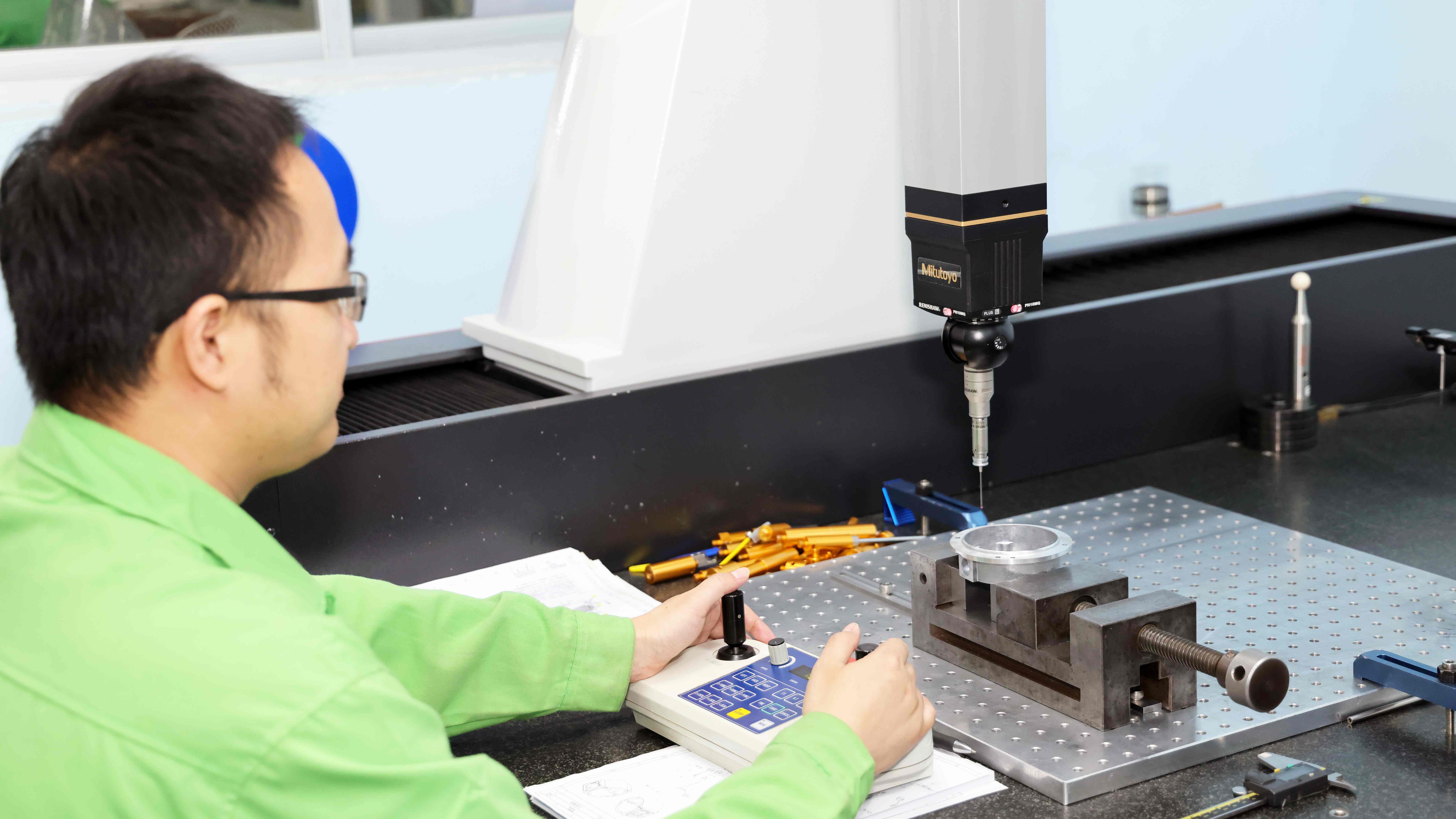
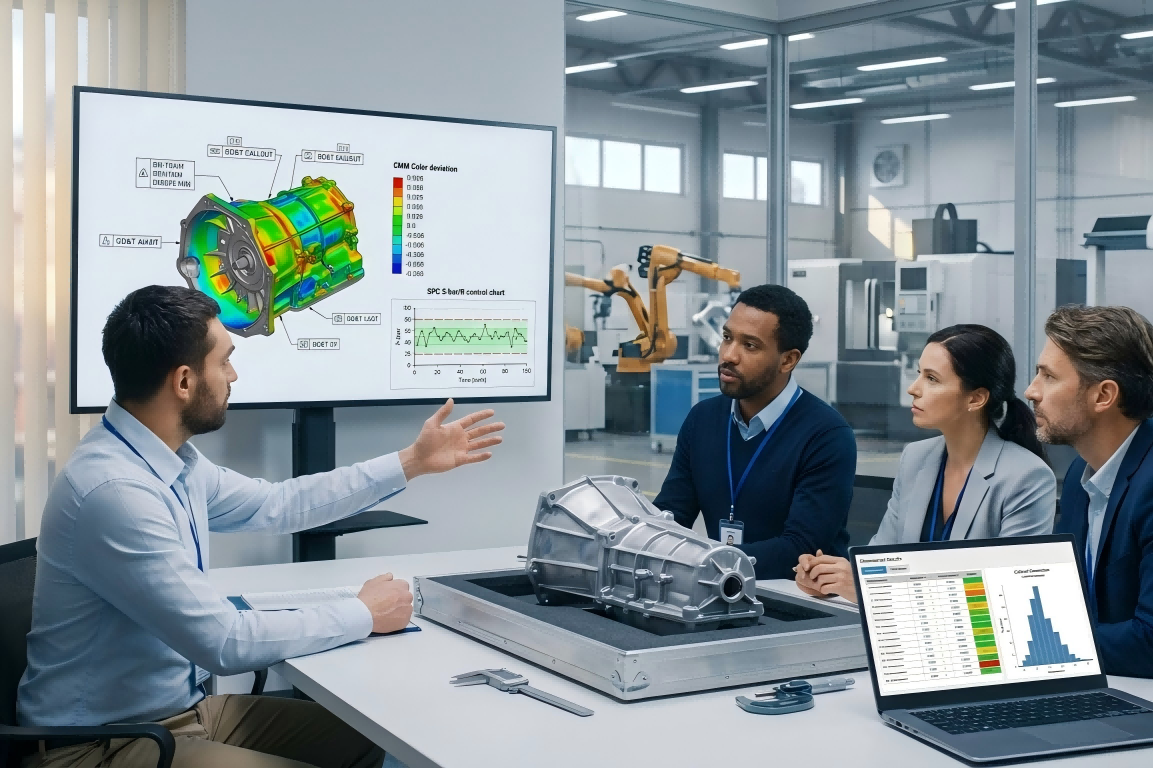
Keeping those really tight tolerances in place means having thermally stable CNC machined dies, plus real time cavity pressure sensors and some kind of automated optical scanning system. When factories actually implement statistical process control or SPC, they tend to see about a 40% reduction in dimensional drift compared to what happens with manual methods alone. The 10 to 1 measurement rule is pretty important here too. Basically this means using metrology equipment that's ten times more accurate than whatever the tolerance target happens to be. That helps maintain quality consistency throughout production. Take coordinate measuring machines for example. These CMMs equipped with laser tracking can confirm measurements within plus or minus 0.005 mm repeatability even after running through 20,000 production cycles. Pretty impressive when you think about it.
Real-Time Mold Temperature Monitoring and Closed-Loop Process Stabilization
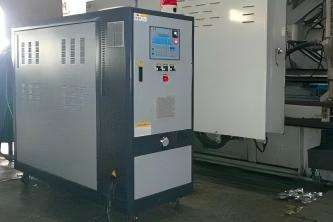
Temperature swings in dies are responsible for well over half of all casting issues in precision manufacturing. The best plants now install IoT sensors right inside those mold cavities. These sensors send real time information to smart controllers which can tweak cooling rates down to about 2 degrees Celsius either way. They also adjust injection pressures between shots and predict problems before they happen, cutting waste materials by around 30%. What makes this work so well? Closed loop systems handle things like heat expansion as materials change state, account for how different alloys flow through molds, and keep everything stable without needing to shut production lines down for fixes.
Advanced Material Science and Alloy Optimization
Boosting A380 Tensile Strength by 22% Through Controlled Solidification and Grain Refinement
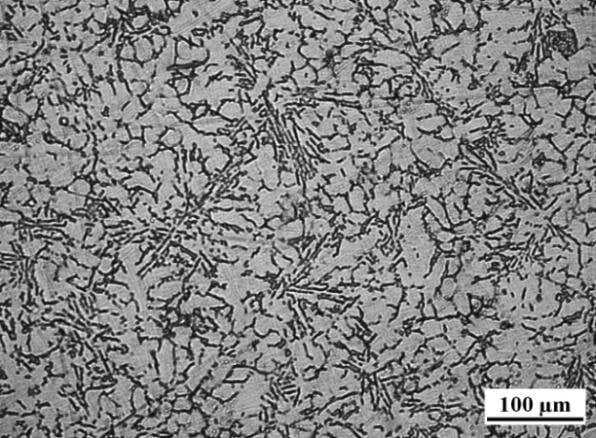
Top die casting operations are revolutionizing how materials perform thanks to advances in metal science. When engineers control how fast the metal solidifies during casting, they can stop those pesky shrinkage holes from forming and get better crystal structures in A380 aluminum, which is still the go-to alloy for most die cast parts. Cooling systems make real time adjustments to keep temperatures just right throughout the process. At the same time, adding tiny amounts of titanium and boron helps form those nice, uniform grains in the metal's structure. These small grains actually stop defects from spreading when stress is applied, making the final product stronger overall. Factory tests have shown that combining these techniques boosts A380's tensile strength by around 22%, yet keeps it flexible enough for bending without breaking. Components made this way handle heavier loads, which explains why so many car makers and aircraft manufacturers are switching to this improved process.
| Technique | Function | Impact on A380 |
|---|---|---|
| Controlled Solidification | Manages cooling rates | Reduces internal defects by 40% |
| Grain Refinement | Adds nucleating agents | Increases grain boundary density 5x |
| Combined Process | Synchronizes thermal/structure control | Achieves 22% tensile strength gain |
This scientific methodology ensures consistent high-volume output of lightweight yet robust parts—turning alloy optimization into a strategic manufacturing advantage.
End-to-End Digital Traceability and Industry 4.0 Integration
Full Lot-Level Traceability in Under 6 Seconds: From Shot Log to Digital Twin
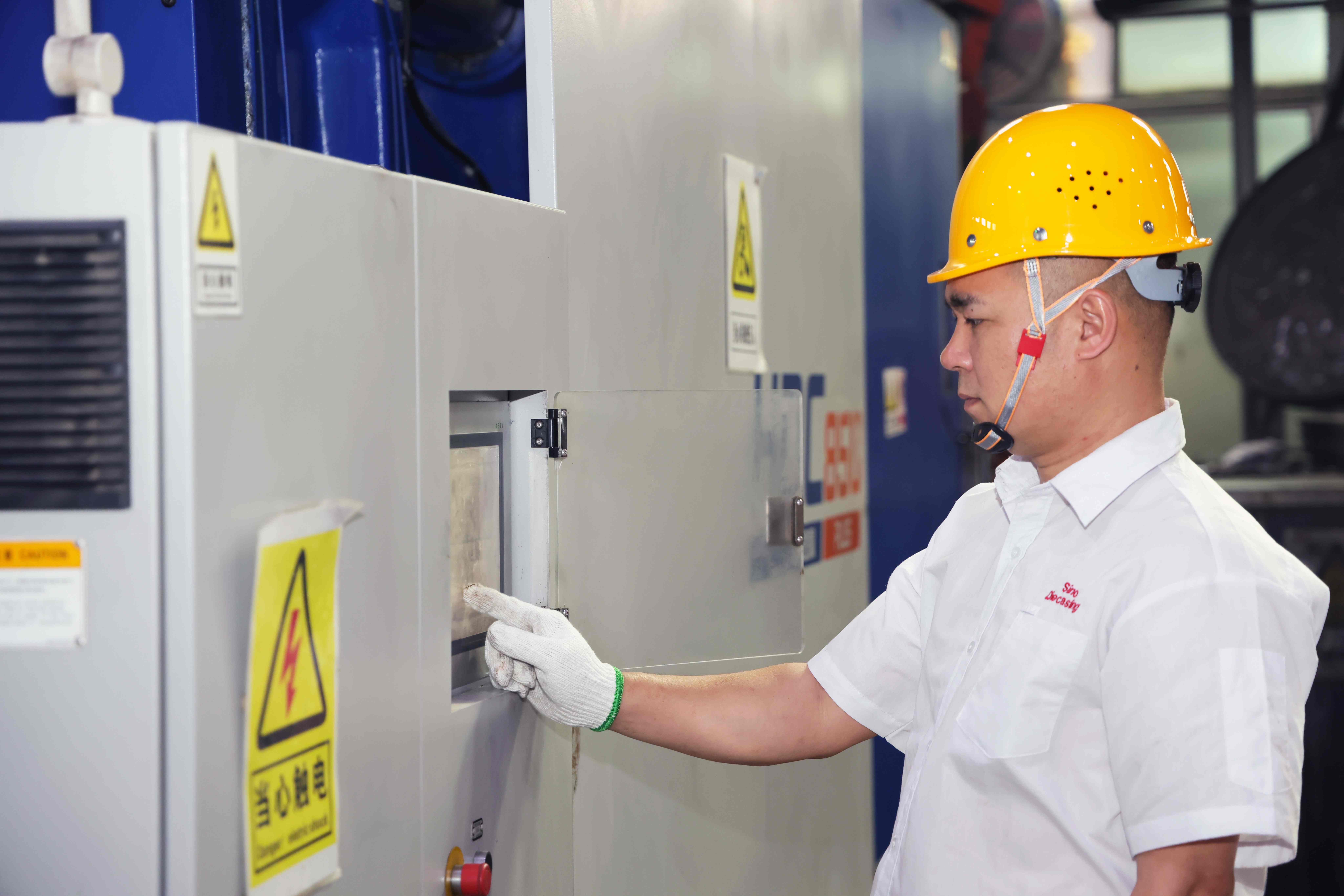
The best die casting operations can track every component through the entire process in just under six seconds when they combine IoT sensors with blockchain protected digital twins. All those critical parameters during each shot - pressure at around 12,000 PSI, melt temps hitting about 700 degrees Celsius, plus how long each cycle takes - get sent straight to central monitoring screens. This means problems get spotted almost immediately, so quality teams spend way less time on paperwork now, roughly cutting documentation needs by nearly three quarters. Traditional paper trails just don't compare. With digital threading technology, everything gets recorded permanently from the moment metal starts melting until parts roll off the line ready for shipment.
Predictive Maintenance Driving 99.2% Machine Uptime at Leading Die Casting Factory Sites
Modern vibration sensors paired with artificial intelligence can predict when equipment might fail about three days ahead of time, keeping those high pressure die casting machines running at around 99.2% availability most of the time. The system actually looks at several different data points together including heat patterns from thermal imaging, records of hydraulic pressures, plus changes in how much electricity motors draw. All these signals get analyzed so technicians know exactly when to perform maintenance work while everything else is still scheduled to be offline anyway. What does this mean for production? Well, factories report cutting down on unexpected shutdowns by roughly two thirds compared to before they implemented this technology. Plus, molds tend to last about 40 thousand extra cycles before needing replacement, which translates into roughly 22 percent more products coming off the line each year than what was possible with old fashioned reactive maintenance approaches.
Beyond Certification: Customer-Centric Validation and Process Transparency
Industry certifications such as IATF 16949 definitely matter for basic credibility, but the best die casting plants stand out because they go beyond certification requirements. These top shops focus on getting direct feedback from customers and being completely open about how things work behind the scenes. Paper certificates only show what was true at one moment in time. Real leaders in the field set up ongoing systems where clients can actually see production data live, check material specs, and review process controls whenever needed. This approach helps reduce risks across the supply chain since buyers can verify important quality factors like porosity or dimensions against what works best for their particular products before anything leaves the factory floor. When customers have access to records showing how molds perform over time, track batches of alloys used, and spot any deviations during production, it creates something special between manufacturer and client. Quality control stops being just an end-of-line check and becomes part of everyday conversations between engineers working together toward better results. The best factories understand that real quality comes not from having nice paper on the wall, but from constantly improving through collaboration with those who actually use their parts.
FAQ
What is the advantage of micron-level precision in die casting?
Micron-level precision allows die casting factories to achieve ±0.05mm dimensional accuracy, ensuring high-quality production even at scale, and significantly reducing dimensional drift.
How do die casting factories maintain real-time mold temperature?
By using IoT sensors in mold cavities, die casting factories can tweak cooling rates and injection pressures in real-time, preventing wastage and ensuring consistent production quality.
What impact does controlled solidification have on A380 alloy?
Controlled solidification management reduces internal defects by 40% and, when combined with grain refinement, significantly boosts the tensile strength of A380 components.
How does digital traceability enhance die casting operations?
Digital traceability allows for full component traceability in under six seconds through IoT sensors and blockchain, leading to faster problem detection and reduced documentation.
What role does predictive maintenance play in die casting?
Predictive maintenance, supported by AI and sensors, enables die casting factories to maintain 99.2% machine uptime by predicting equipment failures ahead of time, thus maximizing production efficiency.
Table of Contents
- Precision Engineering and Tight Tolerance Control
- Advanced Material Science and Alloy Optimization
- End-to-End Digital Traceability and Industry 4.0 Integration
- Beyond Certification: Customer-Centric Validation and Process Transparency
-
FAQ
- What is the advantage of micron-level precision in die casting?
- How do die casting factories maintain real-time mold temperature?
- What impact does controlled solidification have on A380 alloy?
- How does digital traceability enhance die casting operations?
- What role does predictive maintenance play in die casting?