
 EN
EN


Why Aluminum Die Casting Is Critical and Challenging for New Energy Vehicles
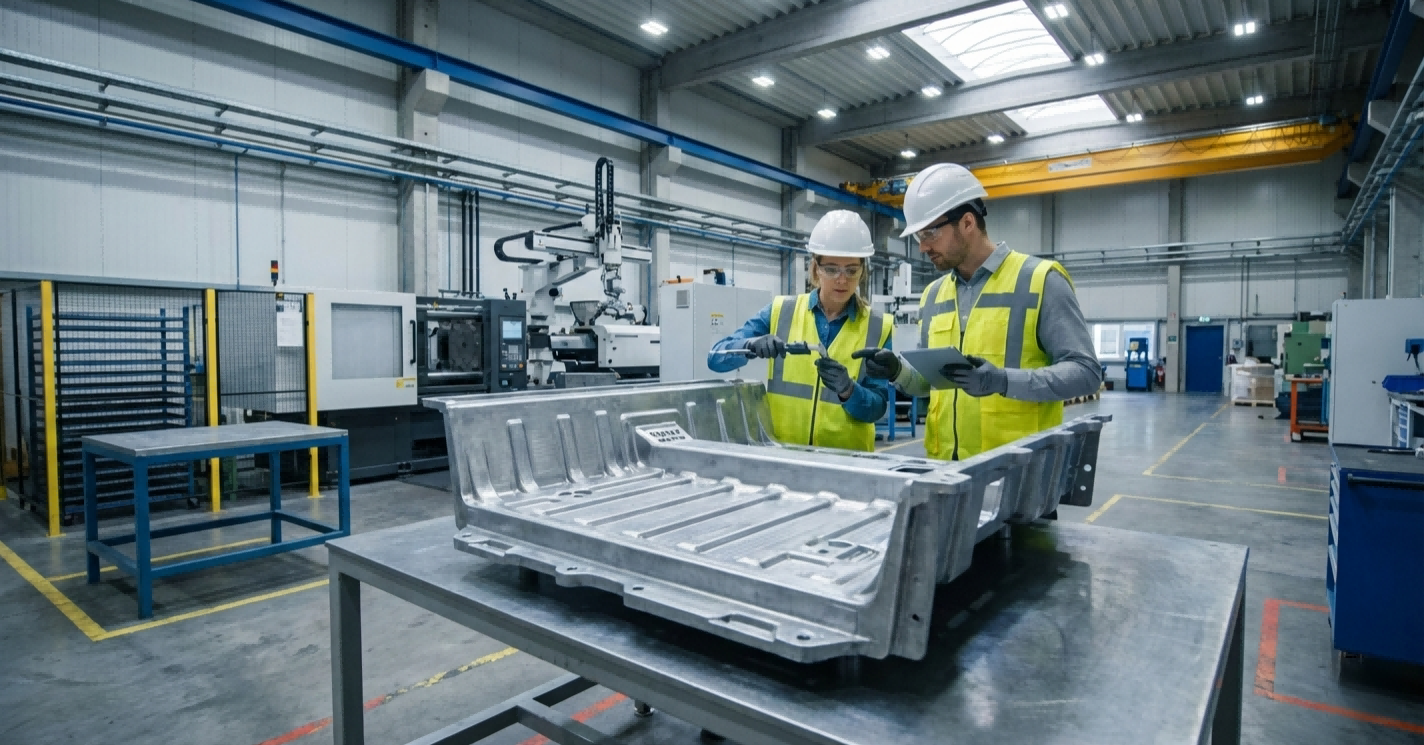
The benefits of aluminum die casting for New Energy Vehicles (NEVs) are pretty substantial, especially when it comes to cutting down on weight and being able to recycle materials later. When cars have lighter aluminum parts, they consume less power overall, which means batteries last longer between charges something that matters a lot for anyone driving electric vehicles day to day. Looking at industry numbers, most modern cars actually contain around 20 to 30 kilograms worth of aluminum castings, and this accounts for over 70 percent of important structural elements in NEVs like where the batteries sit and how the motors are controlled. Getting rid of unnecessary weight helps manufacturers hit those green targets too, since lighter vehicles just naturally need less energy to operate efficiently on the road.
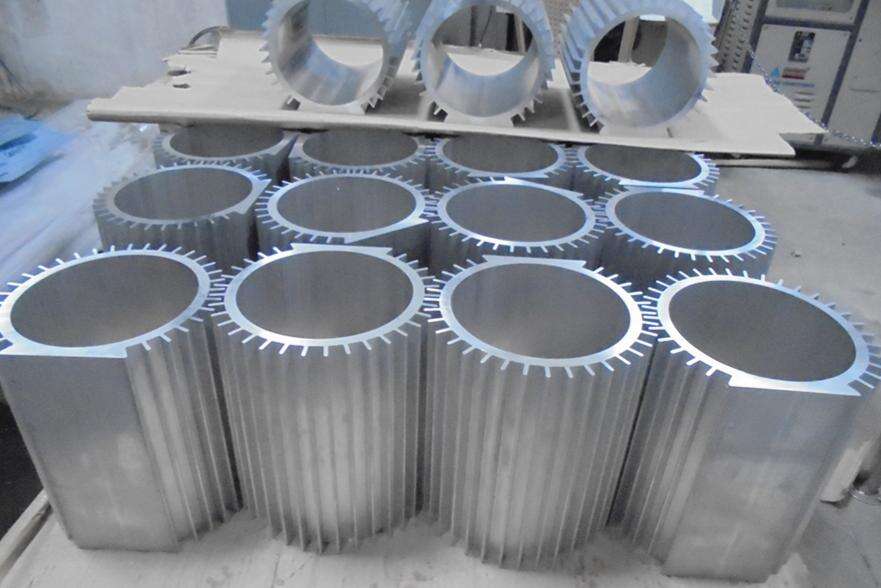
Scaling up production brings about some real technical problems. When casting complex shapes at high pressure, especially those big format parts, we often end up with porosity issues. This weakens the parts when they face heat or mechanical stress during operation. At the same time, all that fast heating and cooling wears down the dies much quicker than expected. The tools don't last as long and each part ends up costing more money. Things get even worse for manufacturers of new energy vehicles who want their components to have thinner walls and be more integrated overall just to squeeze out every bit of efficiency and space savings possible. Fixing these issues isn't just nice to have it's absolutely necessary if we want to keep our vehicles structurally sound, dimensionally accurate, and reliable over the long haul on these low carbon platforms.
Solving Porosity and Surface Defects in Aluminum Die Casting for NEV Components
Vacuum-assisted aluminum die casting: Reducing gas porosity by up to 70%
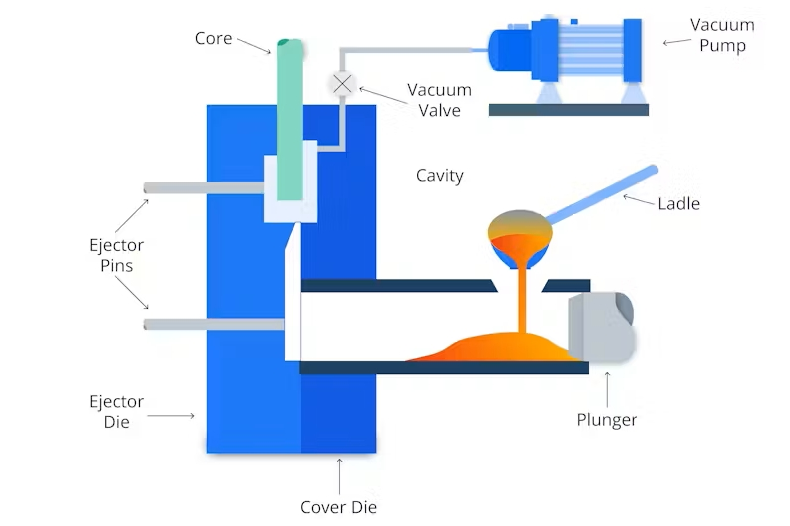
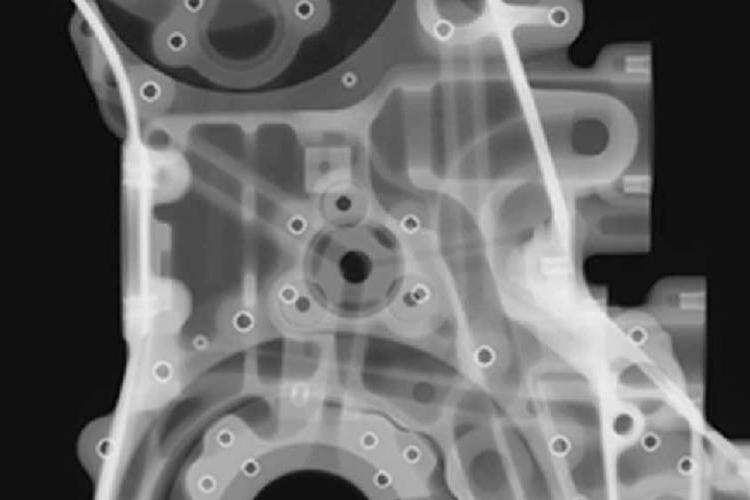
Vacuum assisted die casting gets rid of air pockets by setting up negative pressure conditions when injecting molde, reaching cavity pressures under 50 mbar. Basically, this stops gas from getting trapped inside aluminum castings. When making battery trays for new energy vehicles and motor housing parts, we see around 70 percent fewer problems related to porosity, all while still hitting those tough pressure tightness specs. What makes this method special is that it allows production of structural parts that can be heat treated, with consistent material density throughout. This matters a lot for crash safety according to industry standards like ISO 6892-1 and FMVSS 301. Factory floor reports show lower X ray rejection numbers and less need for fixing defects after casting, especially in those tricky thin walled components. Overall yields go up without any loss in component performance.
Optimizing gating and venting systems for cold shut prevention in structural castings
Proper placement of gates and well-designed vents can stop cold shuts from happening because they keep the metal flowing at just the right temperature and speed. For narrow section parts like the ones found in electric vehicle frame components, using tapered gates makes sense since they cut down on heat loss. Directional vents are also important as they help push out trapped air before the metal starts to harden. According to some computer modeling studies, when vent areas are bigger than 30% of the gate size, there's about a 45% drop in problems caused by turbulent flow. Today's industry standards typically include these kinds of considerations alongside other factors like material selection and mold preparation techniques.
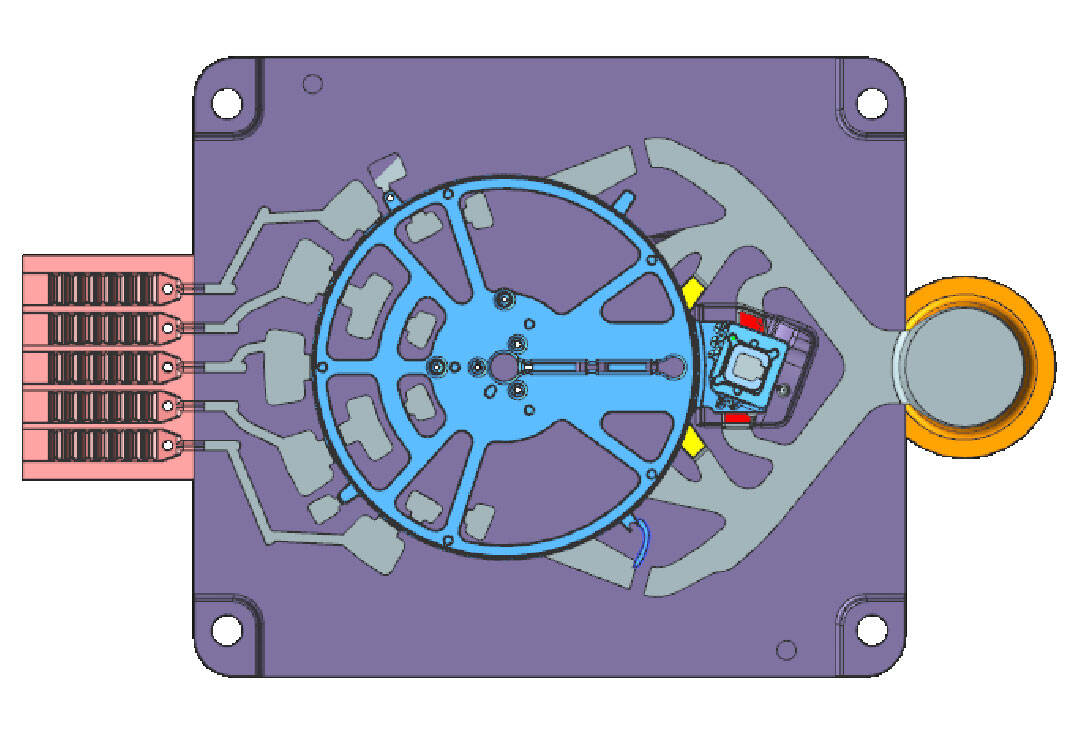
- Conical overflow wells that capture oxidized surface material
- Stepped venting channels designed to accommodate gas expansion
- Perimeter-vented die layouts optimized for complex, high-surface-area geometries
Together, these features sustain laminar flow across production runs preventing premature solidification at critical joints and ensuring mechanical continuity in load-bearing sections.
Extending Die Life and Managing Thermal Fatigue in High-Volume Aluminum Die Casting
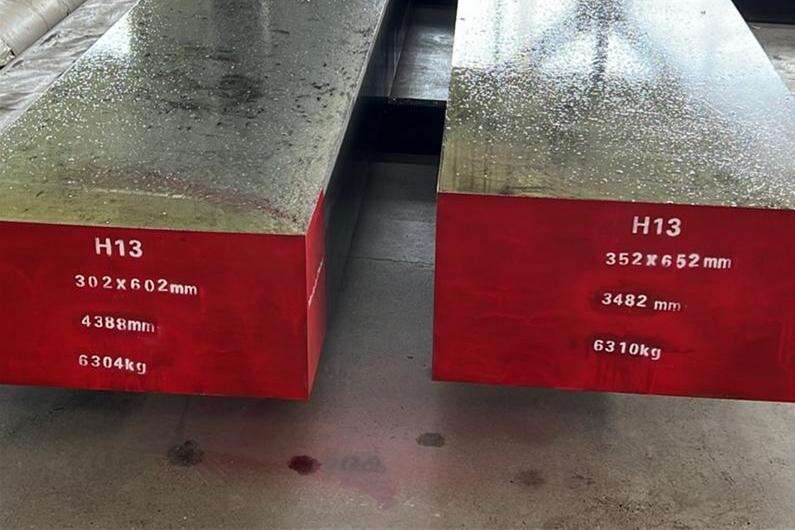
Advanced H13 tool steels with Ni Cr Mo coatings boost thermal fatigue resistance 2.3 times
In the world of high volume aluminum die casting, thermal cycling continues to be the main reason behind die wear and tear. Applying nickel chromium molybdenum coatings to H13 tool steels forms a good thermal barrier that cuts down on temperature swings at the surface by around 40%. This helps reduce the differences in expansion rates when hot aluminum at about 660 degrees Celsius meets cooler die steel. The result? Fewer microcracks starting and spreading through the material, which is one of those common failure points noted during SAE J434 fatigue tests. Real world factory experience shows that these coated dies last roughly 2.3 times longer against thermal fatigue compared to regular uncoated ones. Plus, the harder surface resists sticking and wearing away from all that aluminum contact. Combine this coating technology with carefully designed conformal cooling channels and manufacturers can keep their tooling dimensionally stable well past 200 thousand production cycles. This means lower overall costs and parts that stay within spec for important applications in new energy vehicles where consistency matters most.
Enabling Sustainable Aluminum Die Casting for Low-CO2 New Energy Manufacturing
Integrated melting degassing holding systems cut energy use by 18% and CO2 emissions by 22%
When manufacturers use integrated melting degassing holding systems, they cut down on moving materials between processes. This means less heat gets lost, there's reduced oxidation, and workers spend far less time handling materials. Putting all aluminum prep steps into one continuous process saves about 18% in energy costs per ton of cast alloy. At the same time, carbon dioxide emissions drop around 22% compared to old fashioned batch methods. The real advantage comes from being able to work with recycled aluminum from consumer products. According to studies by the US Department of Energy, recycling aluminum takes only 5% of the energy needed for making new metal from raw materials. As car companies worldwide set stricter emission goals following frameworks like SBTi, these kinds of systems let factories cut their carbon footprint while still maintaining good quality casts and production rates. For the electric vehicle industry looking ahead, this represents a practical way forward that balances environmental concerns with operational needs in aluminum die casting.
FAQ Section
What are the main benefits of using aluminum die casting in NEVs?
Aluminum die casting in NEVs offers significant benefits such as weight reduction, which leads to longer battery life and increased energy efficiency.
What challenges are associated with high-volume aluminum die casting?
High-volume aluminum die casting faces challenges like porosity issues, increased die wear due to rapid temperature cycling, and ensuring dimensional accuracy in complex parts.
How does vacuum-assisted die casting help reduce gas porosity?
Vacuum-assisted die casting helps reduce gas porosity by creating negative pressure conditions during molding, significantly decreasing trapped air in aluminum castings.
Why is thermal fatigue a concern in aluminum die casting?
Thermal fatigue is a concern because frequent temperature changes cause die wear, leading to microcracks and reduced operational lifespan of dies.
Table of Contents
- Why Aluminum Die Casting Is Critical and Challenging for New Energy Vehicles
- Solving Porosity and Surface Defects in Aluminum Die Casting for NEV Components
- Extending Die Life and Managing Thermal Fatigue in High-Volume Aluminum Die Casting
- Enabling Sustainable Aluminum Die Casting for Low-CO2 New Energy Manufacturing
- FAQ Section