
 EN
EN



What Is Mould Making? Core Principles and Industrial Applications
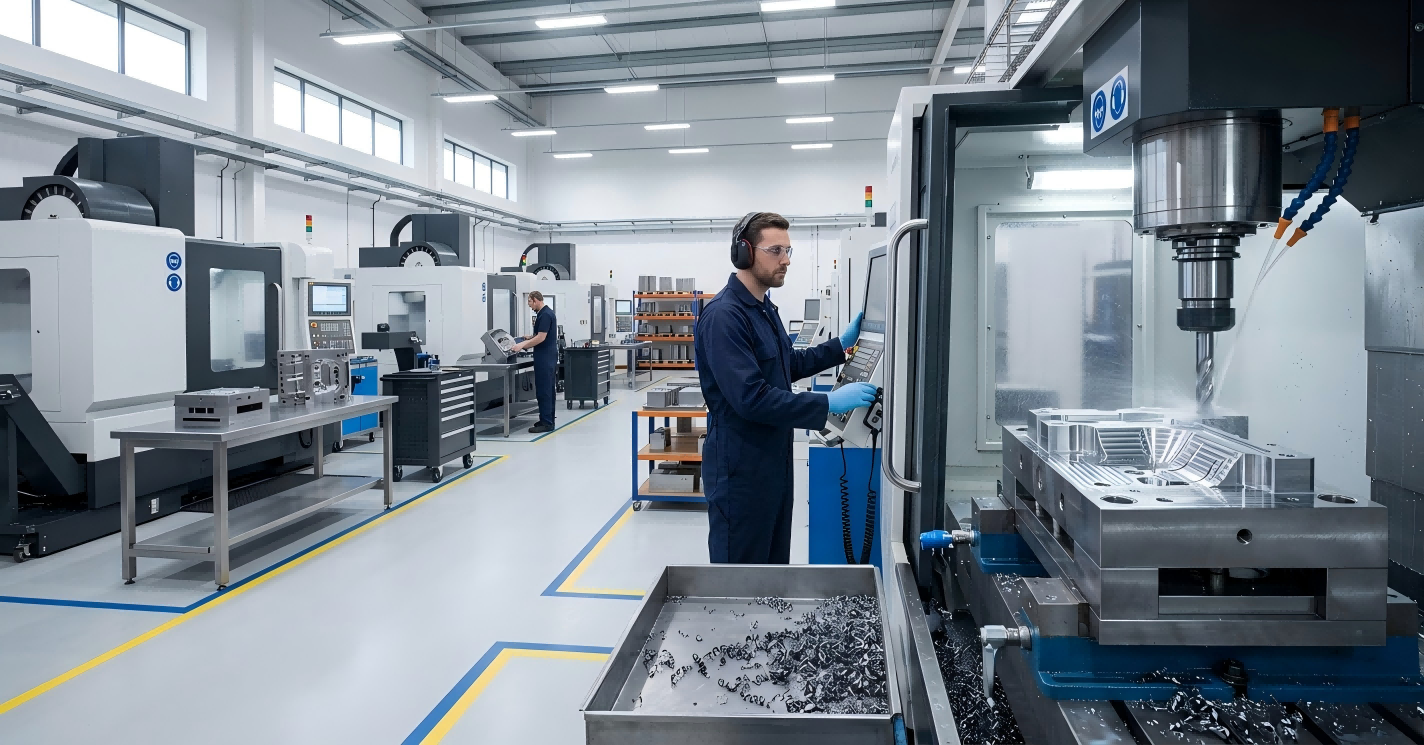
Making molds is all about creating those special tools, usually made of metal, silicone, or composite materials, that copy parts exactly the same way over and over during production. Without good mold making, we wouldn't be able to manufacture things like medical equipment, car parts, smartphones, or even food packaging on such a large scale. There are really only two things that matter most when it comes down to it: getting the measurements right within fractions of a millimeter and making sure the tool lasts through thousands of uses without breaking down. Take injection molding as an example. When molten plastic gets pushed into steel molds at pressures above 20,000 pounds per square inch, the mold needs to hold its shape perfectly while resisting heat damage too. A tiny mistake of just 0.1 mm can send scrap rates soaring by 15% in industries where precision counts. That's why experienced mold makers combine their knowledge of exact measurements with deep understanding of different materials. Their work keeps production running smoothly, cuts down on wasted materials, and lets manufacturers keep producing quality goods consistently.
Key Mould Making Processes: From Traditional Machining to Modern Additive Methods
CNC Machining for Precision Metal Moulds
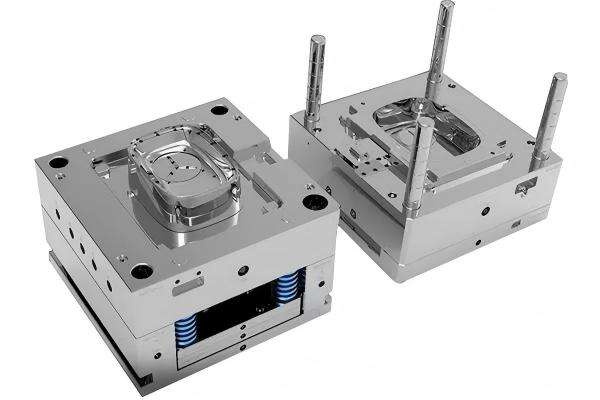
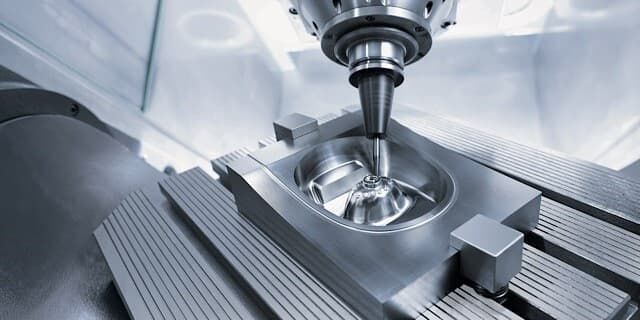
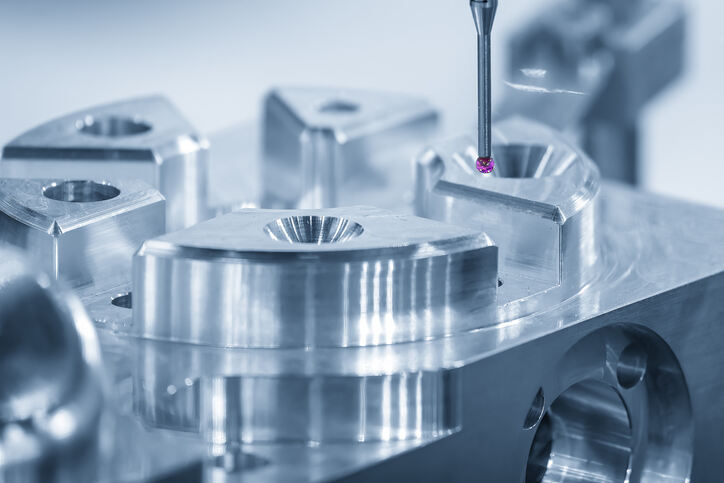
When it comes to producing large quantities of metal molds with tight specifications, CNC machining still stands out as the best option, particularly when working with hardened tool steels and aluminum alloys. The way these machines cut material away achieves incredible accuracy around 0.01 mm tolerance levels, plus creates those smooth surfaces needed for things like lenses, medical device casings, and car parts that need to look good. Most shops have well-developed software paths and automatic tool switching systems now, which means they can repeat the same process thousands of times without issues. That's why many manufacturers stick with this approach for their longer production runs in injection molding and die casting applications where consistency matters most.
Silicone and Resin Casting for Prototyping
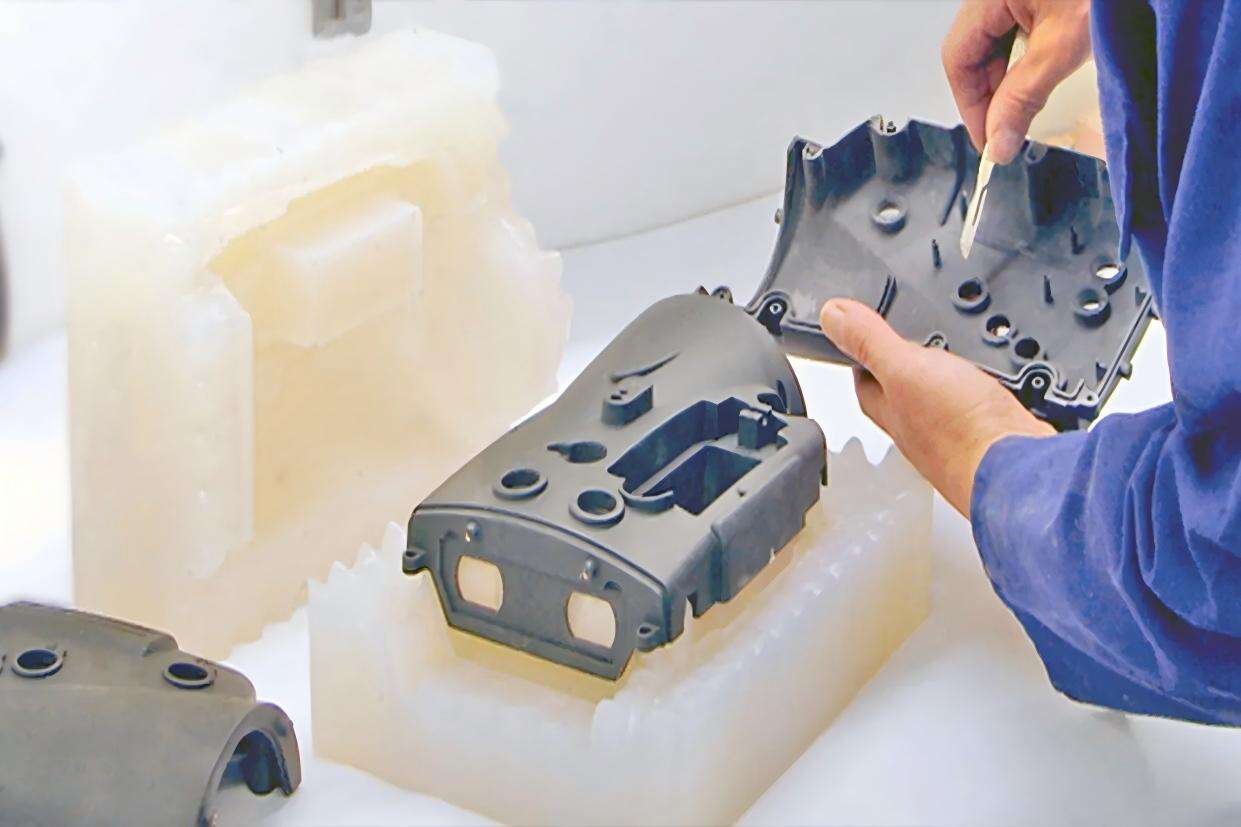
Silicone rubber moulding is actually pretty quick and budget friendly when it comes to making working prototypes. The liquid silicone rubber, or LSR as it's called, picks up all sorts of fine details from the original model including those tricky undercuts and tiny textures. After that, we can cast parts using polyurethane resin and get around 50 good quality pieces in just one to two days. Of course there are limits because the mold does eventually wear out, but this approach lets designers test their ideas without spending a fortune on expensive metal tools first. It's basically insurance against bad design choices before going all in on production.
3D-Printed Moulds and Hybrid Workflows
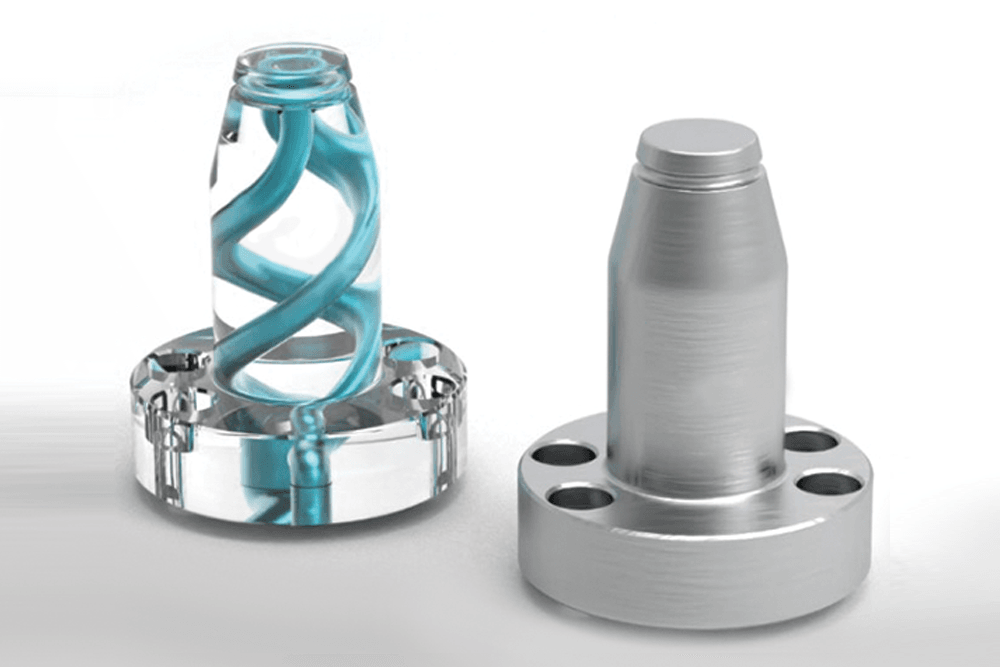
The world of metal additive manufacturing has changed things quite a bit lately, especially when it comes to Direct Metal Laser Sintering or DMLS technology. This method can create mold inserts with complex shapes that just aren't possible using traditional machining techniques. Think about those conformal cooling channels that manufacturers used to struggle with. Maraging steel inserts are pretty impressive too since they can handle heat up to around 500 degrees Celsius, which makes them great for shorter production runs where time is money. Some companies have started mixing things up by combining these 3D printed cores with good old fashioned CNC machined base plates. The results? Cycle times drop anywhere from 30% down to even 70% in some cases without sacrificing the strength of the final product. This hybrid approach works particularly well for what's called bridge tooling and makes sense for businesses dealing with low to medium volume production needs according to recent research published in the Journal of Manufacturing Processes back in 2023.
Material Selection in Mould Making: Matching Properties to Production Needs
Material choice directly governs part quality, tool lifespan, and total cost of ownership. The optimal selection balances mechanical performance—hardness, thermal conductivity, fatigue resistance—with practical constraints like lead time, machinability, and budget.
Steel Alloys for High-Volume Injection Moulds
Hardened tool steels (e.g., P20, H13, S7) are industry standards for high-cycle plastic injection moulding. With hardness values above 45 HRC and superior resistance to thermal fatigue and abrasion, they reliably endure 500,000+ cycles. Their higher upfront cost is offset by dramatically lower per-part tooling expense in mass production.
Aluminum and Zinc for Rapid Tooling
Aluminium alloys (e.g., 7075-T6) and zinc-based alloys machine up to 60% faster than steel, cutting lead times significantly. While softer—and thus limited to 15,000–50,000 cycles—they excel in prototyping, pilot runs, and low-volume production where speed and design iteration outweigh longevity.
Elastomeric and Composite Mould Materials
Materials like silicones, polyurethanes, and various epoxy composites offer really good flexibility when dealing with complicated part shapes. They work great for parts that have those tricky deep undercuts or need very detailed surface textures. The elastic nature of these materials makes it easier to get them out of molds after production. However this same property means they generally can't handle high pressure situations. That's why they're mostly used in lower pressure manufacturing methods such as urethane casting techniques or vacuum forming processes. For some special cases where heat management is important, manufacturers sometimes add ceramic or metal particles to create advanced composite materials. These modified versions conduct heat better, which comes in handy for specific industrial applications where controlling how heat moves through a product is absolutely necessary.
| Material Type | Best For | Cycle Life | Key Advantage |
|---|---|---|---|
| Tool Steels | High-volume runs | 500,000+ cycles | Extreme durability |
| Aluminum/Zinc | Prototyping/Rapid runs | 15k–50k cycles | Faster machining |
| Elastomers/Composites | Complex geometries | 100–5,000 cycles | Design flexibility |
Leading manufacturers align material properties—including coefficient of thermal expansion, thermal diffusivity, and fatigue threshold—with production KPIs to ensure performance consistency across the tool's lifecycle.
Optimizing Mould Making for Quality, Cost, and Lead Time
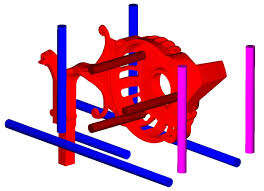
Getting good results from mold making really depends on bringing together design work, simulation testing, and choosing the right processes long before actual fabrication starts. When designers think about manufacturability early on, they tend to incorporate things like proper draft angles (at least 3 degrees), walls that stay consistently thick throughout, and features that aren't too complicated. This approach typically cuts down machining time by around 30% and helps avoid common problems such as sink marks or warped parts. Simulation software lets engineers check where gates should go, how material will flow during filling, and what cooling channels need to look like all before any metal gets cut. This saves money because it reduces the number of physical prototypes needed by about half. Some shops have started using conformal cooling techniques through a mix of additive manufacturing and traditional CNC methods. These systems distribute heat more evenly across the mold surface and can actually speed up production cycles by roughly 25%. Putting these different approaches together keeps dimensional accuracy within ±0.05mm range, gets products to market faster, and ultimately lowers costs per unit produced while still meeting all functional requirements.
FAQ Section
What is the main purpose of mold making?
Mold making is primarily used for creating tools that reproduce parts consistently in large quantities, essential for mass production in industries like automotive, electronics, and medical equipment.
What are the common materials used in mold making?
Common materials include metal, silicone, and composite materials. Metals like tool steels and aluminum are used for durable molds, while silicones and composites offer flexibility for complex shapes.
How do you select materials for mold making?
Material selection is based on properties such as hardness, thermal conductivity, fatigue resistance, and practical factors like lead time, machinability, and budget.
What are 3D-printed molds used for?
3D-printed molds, particularly those made using DMLS technology, are used for creating complex shapes and inserts that are difficult to achieve with traditional machining, improving production efficiency.