
 EN
EN


Specify Material, Tolerances, Production Volume, and Industry-Specific Certifications
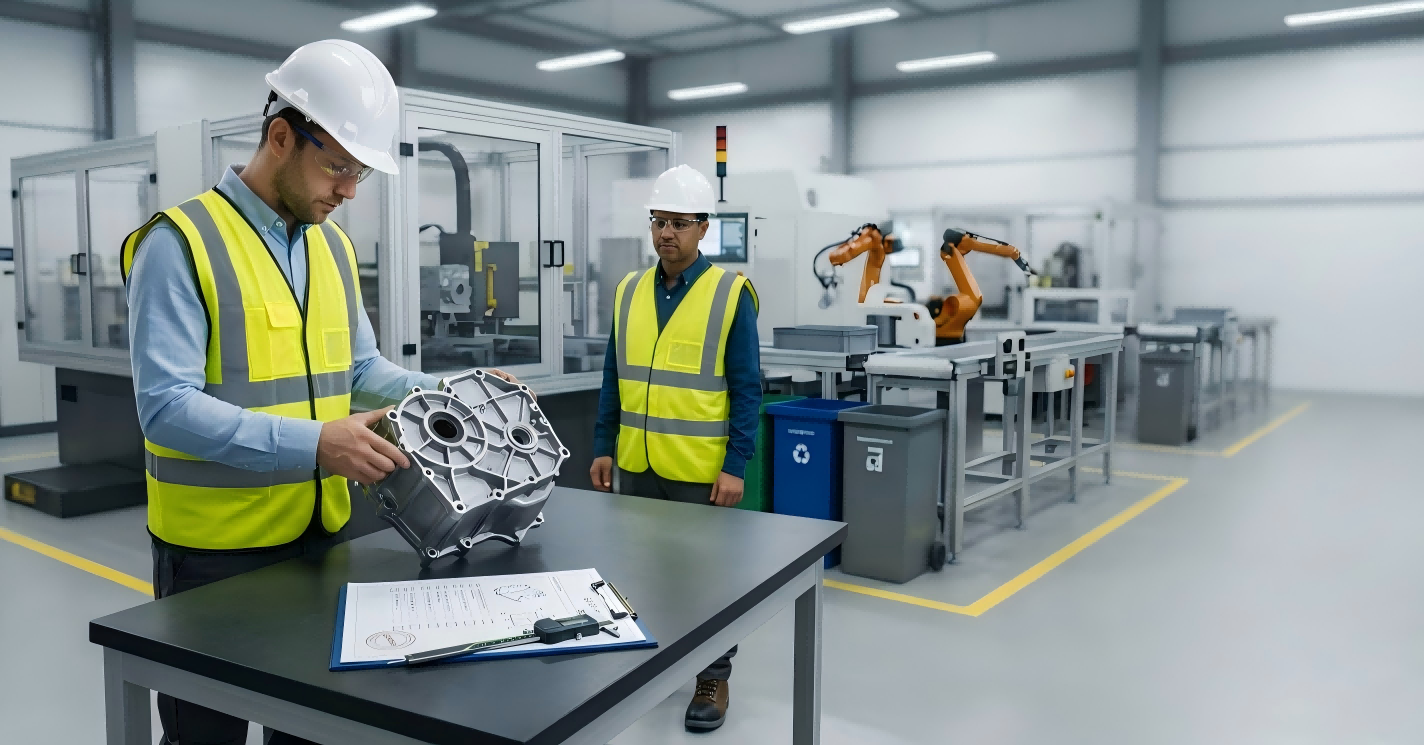
Setting out those four key factors helps weed out the wrong die casting companies right from the start. Let's start with materials. Most die cast parts are made from aluminum alloys since they offer great strength without much weight, covering about 80% of all components. Zinc works better when dealing with intricate designs or thin walls though. Next up are dimensional tolerances. Automotive stuff needs really tight specs around plus or minus 0.1mm, which makes tooling more expensive compared to consumer products that can handle plus or minus 0.3mm differences. Production volume matters too. When ordering below 10,000 pieces, companies often go for quick turnaround tools, but big orders need durable hardened steel molds to keep things consistent over time. Certifications matter as well. ISO 9001 is pretty standard nowadays, but certain industries have stricter rules. Defense contracts controlled by ITAR regulations or aerospace components requiring AS9100 certification mean any supplier without proper paperwork gets cut loose immediately. Writing down all these requirements speeds up finding good partners and keeps everyone on the same page throughout the project.
Align Functional Needs with Regulatory Standards (e.g., Automotive IATF, Medical ISO 13485)
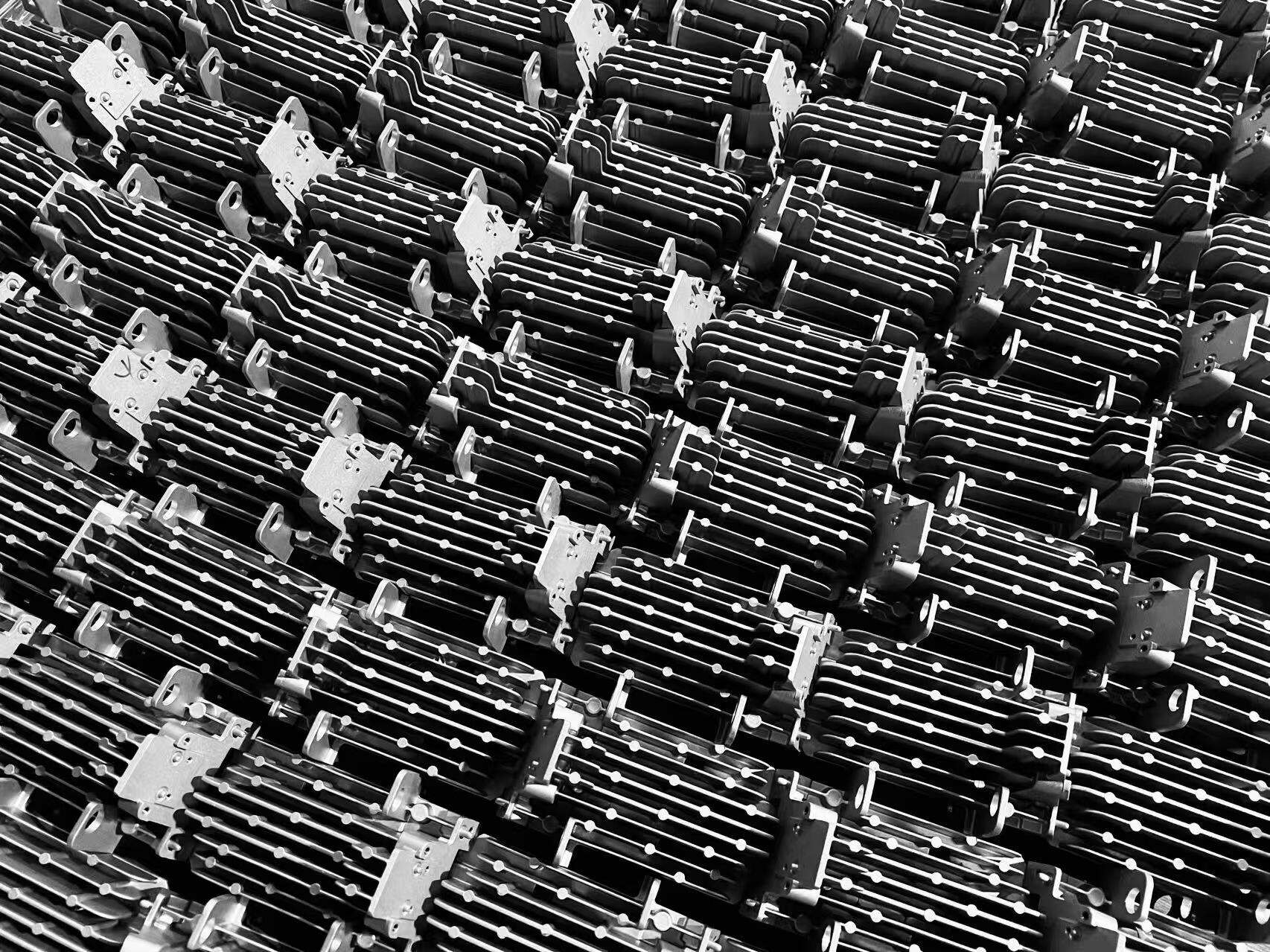
Getting regulations right from the start saves companies from expensive problems down the road like having to redesign products, deal with recalls, or face long delays before launching anything new. For automotive parts, manufacturers need to have IATF 16949 certification and implement those poka-yoke methods plus process FMEAs to catch errors early on. When it comes to medical devices that need FDA approval, everything has to be made according to ISO 13485 standards which means keeping track of materials all the way through production and using casting techniques suitable for cleanrooms. Electronics makers also need to check if their stuff meets RoHS and REACH requirements to limit harmful substances. And remember, any safety critical components heading to Europe must comply with the EU Machinery Directive too. Industry data shows that failing to follow these rules can lead to delays of around 18 months when bringing products to market. During vendor evaluations, don't forget to compare things like how well materials hold up over time or their ability to withstand heat against what the relevant regulations actually demand.
Evaluate Technical Capabilities of the Die Casting Manufacturer
Assess Alloy Proficiency, Die Casting Process Options (Hot/Cold Chamber), and In-House Tooling
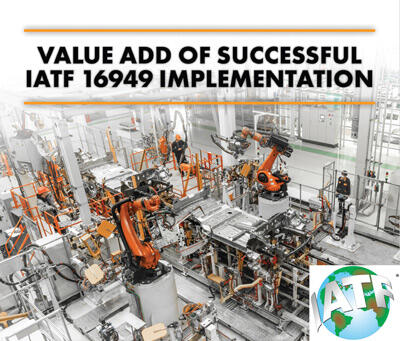
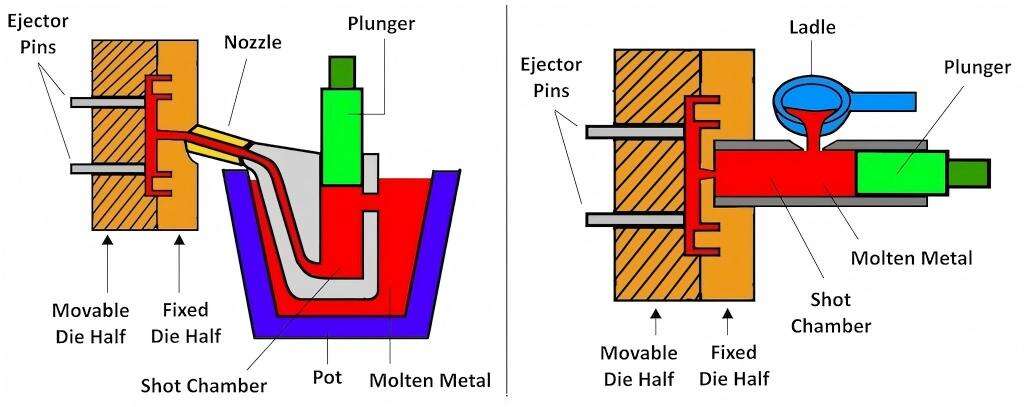
When looking at potential suppliers, take a close look at their experience working with different metal alloys such as aluminum, zinc, and magnesium. Each material behaves differently under stress, heat exposure, and when exposed to corrosive environments, so it matters what kind of projects they've handled before. Make sure they know their way around both hot chamber techniques which work best for metals like zinc that melt at lower temperatures, and cold chamber processes needed for tougher materials like aluminum and magnesium. Getting the wrong process can actually cause problems down the line with things like air pockets forming inside castings or higher rejection rates during quality checks. Companies that have all their tooling capabilities under one roof tend to be worth the extra effort to find. These shops typically reduce prototype development time somewhere between 30% and half, maintain tighter tolerances on initial parts (around plus or minus 0.1 millimeters), and allow faster adjustments when designs need tweaking. With forecasts showing the worldwide die casting industry reaching nearly $98 billion in value by mid-decade, having access to reliable manufacturing partners who understand both the technical side and real world production challenges becomes increasingly important for anyone running complex manufacturing operations today.
Validate DFM Support, Simulation Accuracy, and Precision Engineering Experience
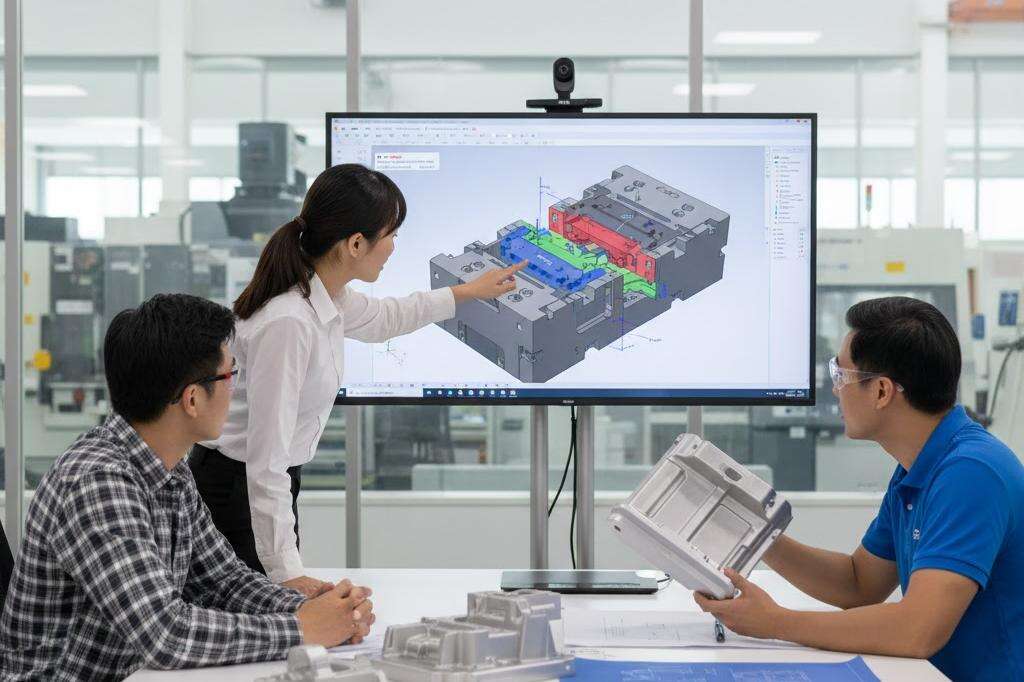
Look for proof that companies actually collaborate on Design for Manufacturability (DFM) right from the start of product development. When manufacturers get involved early, it cuts down on those frustrating engineering changes later on and can slash production costs anywhere between 15% to 25%. Check their simulation work against real world examples they've done before, especially when looking at how molten metal fills molds, how it solidifies, and what happens with thermal stresses. Companies using proper CFD analysis have seen as much as a 90% drop in problems caused by air pockets in castings. Work with partners who've spent at least five years doing precision engineering in your specific industry area. This becomes really important when dealing with parts that have walls less than 1.5mm thick, need strong structural properties, or must meet strict temperature control requirements. Automated systems in die casting definitely help maintain consistency too, with most reaching around 98% accuracy according to ISO 8062 standards for dimensions.
Verify Quality Systems and Supply Chain Integrity of the Die Casting Manufacturer
Go Beyond ISO 9001: Prioritize IATF 16949 or AS9100 Where Applicable
The ISO 9001 standard forms the basis of most quality systems, though certain industries need something even stricter when dealing with potential risks. When working on cars, it makes sense to go with suppliers certified under IATF 16949. These certifications actually force companies to build in ways that stop defects before they happen, create processes for fixing problems as they come up, and keep track of how well suppliers are performing over time. The aerospace and defense sectors have their own requirements too, needing adherence to AS9100 standards that cover every aspect of risk throughout the entire supply network. Companies that stick to these tougher standards tend to see better results in terms of product quality. Take the automotive industry for instance where factories hit about 28 percent more defects caught during manufacturing according to the Automotive Quality Benchmark report from last year. Plus there's faster handling of issues when things go wrong, along with proper documentation for figuring out what went off track initially.
Confirm Material Traceability, Sub-tier Supplier Control, and Audit Readiness
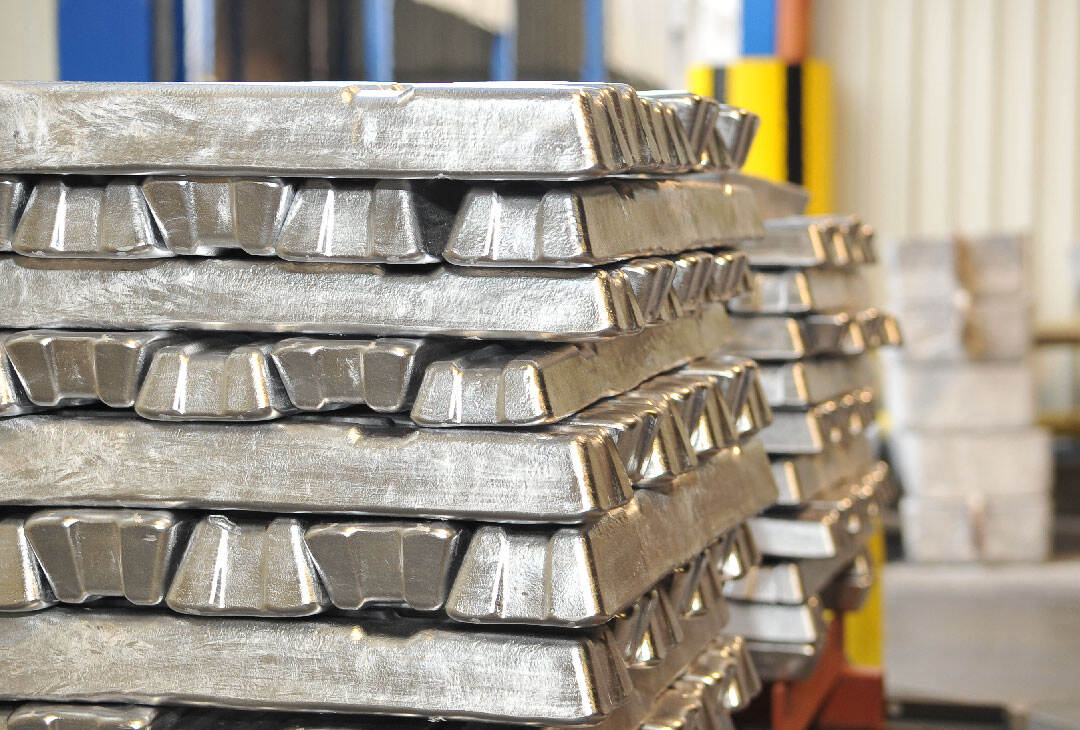
Ensure full material genealogyfrom raw alloy batch to finished partwith digital traceability supporting instant recall readiness. Demand documented sub-tier supplier validation, including:
| Control Aspect | Verification Method | Industry Standard |
|---|---|---|
| Raw Material Batch ID | Digital tracking systems | ISO 9001:2015 Clause 8 |
| Sub-tier Audits | Quarterly performance scorecards | IATF 16949 §8.4.3 |
| Compliance Evidence | Unannounced audit readiness within 24h | AS9100 Rev D |
Confirm that quality recordsincluding dimensional inspection reports, chemical composition analyses, and heat-treatment logsare retrievable within two hours. This responsiveness is critical during regulatory inspections or urgent field investigations.
Perform Hands-On Due Diligence Before Finalizing Your Die Casting Manufacturer
Request Functional Prototypes, Conduct Onsite Facility Assessments, and Stress-Test SLAs
Ask for working prototypes rather than mere looks-based models when testing out mechanical performance, heat handling, and how parts fit together in actual operating environments. Getting this right early on can expose hidden problems in design or manufacturing processes before any tooling gets committed to production. When visiting facilities, check the calibration records for machines, look at maintenance history books, review staff training files, and assess how well 5S practices are maintained throughout the shop floor. These factors have been linked to around 30 percent reduction in defects during precision casting operations according to recent findings from the Automotive Manufacturing Audit Consortium in their 2023 report. For SLA testing, create scenarios where unexpected engineering modifications happen or supply chains get disrupted suddenly. Watch closely how fast suppliers pull together different departments, adjust timelines, and explain compromises they might need to make. Such practical checks not only reveal transparency issues but also foster shared responsibility between parties while reducing risks after contracts are signed.
FAQ Section
What factors should be considered when choosing a die casting manufacturer?
Consider material specification, dimensional tolerances, production volume, and industry-specific certifications such as ISO 9001 for standard practice, or ITAR and AS9100 for defense and aerospace sectors.
Why is regulatory compliance important in die casting manufacturing?
Compliance with standards such as IATF 16949 for automotive parts and ISO 13485 for medical devices ensures product quality, reduces the likelihood of recalls, and avoids costly redesigns or delays in launching new products.
What is the difference between hot chamber and cold chamber die casting?
Hot chamber processes are suitable for low melting point metals like zinc, while cold chamber processes are used for materials like aluminum and magnesium that require higher temperatures.
How can I ensure the quality and reliability of my die casting supply chain?
Prioritize manufacturers that go beyond ISO 9001 standards, confirm material traceability, perform sub-tier supplier audits, and ensure audit readiness to maintain quality and reliability.
What is the importance of Design for Manufacturability (DFM)?
Collaborating on DFM early in product development can significantly reduce engineering changes, lower production costs, and ensure the final product meets all design intentions.
Table of Contents
- Evaluate Technical Capabilities of the Die Casting Manufacturer
- Verify Quality Systems and Supply Chain Integrity of the Die Casting Manufacturer
- Perform Hands-On Due Diligence Before Finalizing Your Die Casting Manufacturer
-
FAQ Section
- What factors should be considered when choosing a die casting manufacturer?
- Why is regulatory compliance important in die casting manufacturing?
- What is the difference between hot chamber and cold chamber die casting?
- How can I ensure the quality and reliability of my die casting supply chain?
- What is the importance of Design for Manufacturability (DFM)?