
 EN
EN



How Aluminum Die Casting Achieves Sub-0.1 mm Dimensional Accuracy
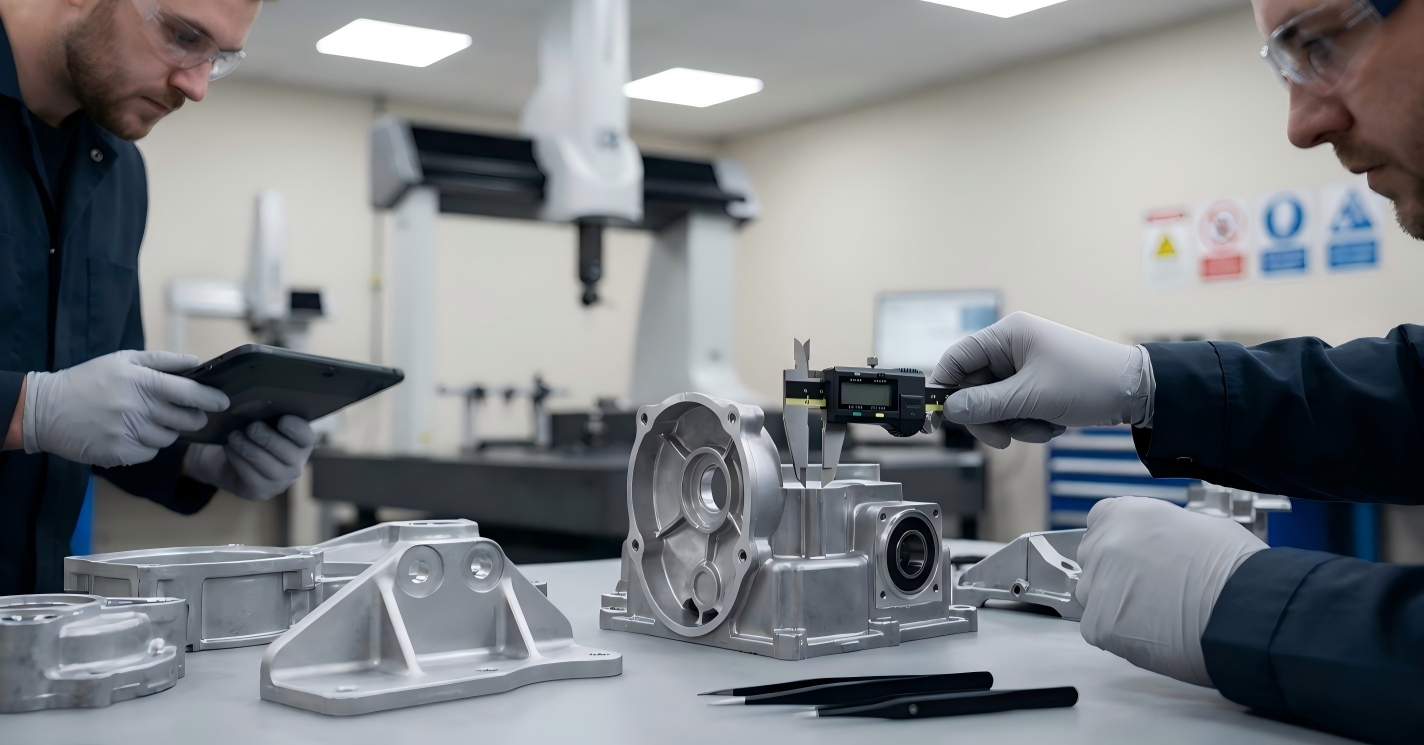
The high pressure die casting process (HPDC) delivers incredible precision at the micron level thanks to carefully controlled parameters throughout production. When injection pressures go beyond 1,500 bar, they push molten aluminum into intricate mold cavities at speeds surpassing 40 meters per second. This rapid filling prevents early solidification problems and makes sure every part of the mold gets filled properly. Keeping die temperatures stable within plus or minus 20 degrees Celsius is critical too. Manufacturers use predictive models along with real time sensors to maintain these tight temperature controls, which stops unwanted warping from heat changes. According to the latest Frigate Precision Report from 2023, when pressure settings are adjusted in 0.1 second increments, dimensional variations drop by about two thirds. All this careful control means parts come out almost ready to use right from the machine, cutting down on costly finishing work afterward.
Material-Specific Solidification Behavior and Microstructure Optimization
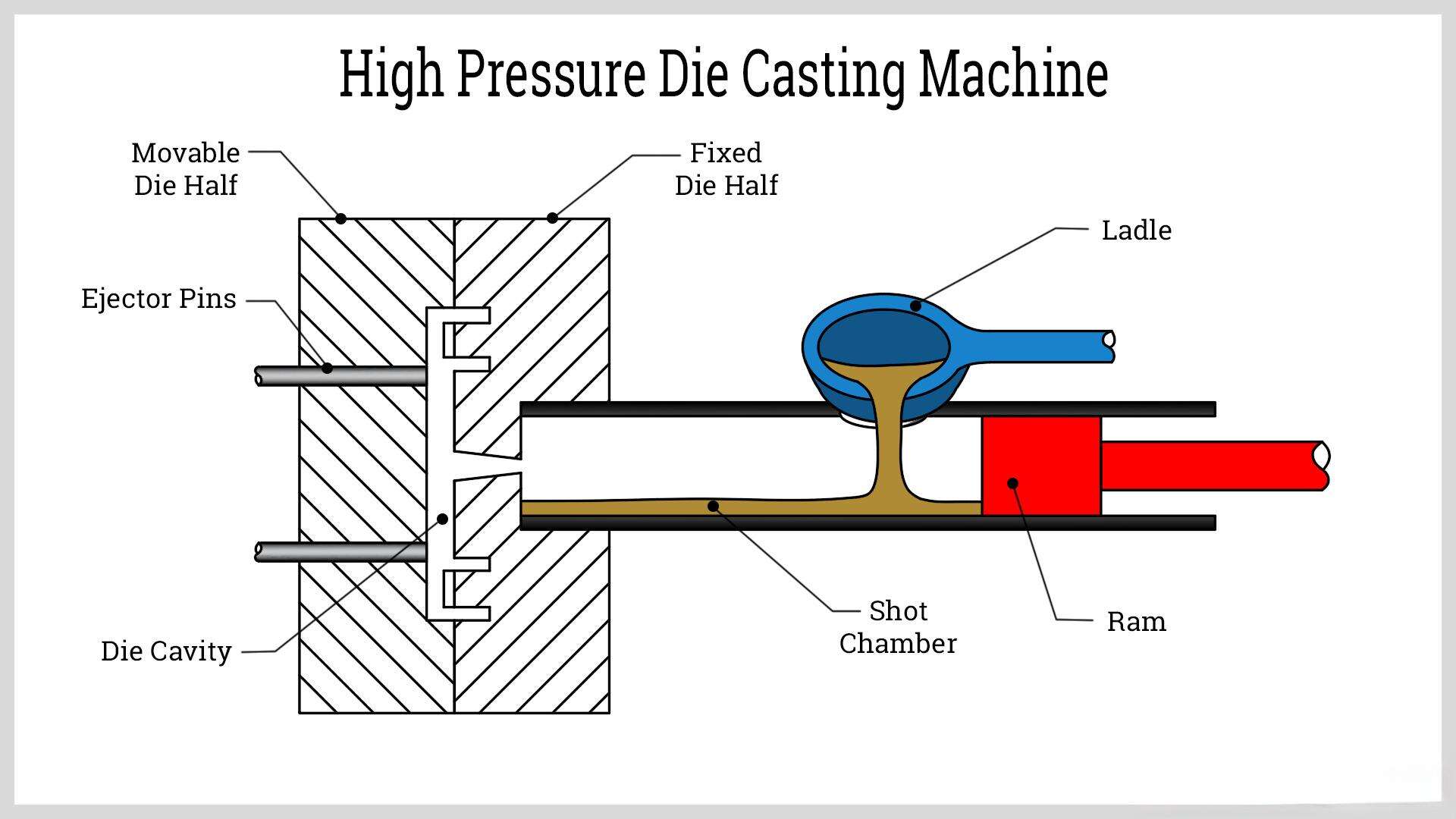
Choosing the right alloy plays a key role in achieving good dimensional stability. Alloys such as A380 that have low shrinkage properties tend to maintain better control during solidification and create less internal stress within the part. Using computational fluid dynamics modeling helps manufacturers get better grain structures too. This technique allows for faster cooling rates of around 150 degrees Celsius per second in important areas of the casting. For most applications, keeping silicon levels between about 7.5 to 9.5 percent works best for both thermal performance and dimensional consistency. Then there's the T6 heat treatment process which does wonders for getting rid of those pesky residual stresses left behind from manufacturing. When all these factors come together properly, it means parts can be produced with an accuracy range of plus or minus 0.05 millimeters from batch to batch, eliminating the need for additional machining steps down the line.
Mold Design and Thermal Management for Repeatable Precision
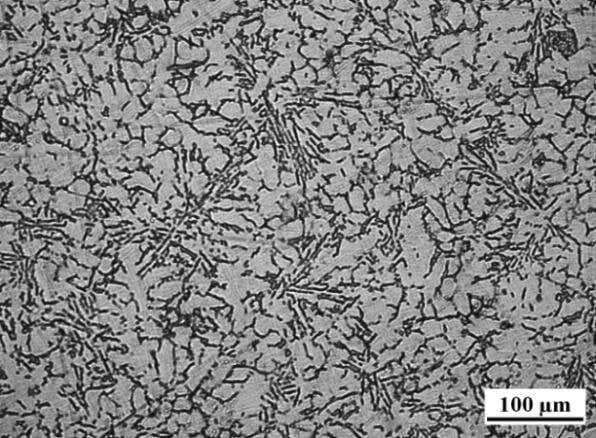
Getting precision right starts at the mold design stage. The shape, surface quality, and how cooling is set up all play a big role in whether parts come out consistently sized. Cooling channels that follow the contours of the part help things cool evenly throughout, which matters a lot when trying to stay within those tight tolerance ranges like +/- 0.05mm. Looking at what's happening across the industry, most problems with inconsistent dimensions actually come down to poor thermal management. Around two thirds of all these issues trace back to improper heat control during casting. That makes sense why so many manufacturers spend extra time getting their cooling systems just right for high quality castings.
Predictive Thermal Balance Modeling and Die Temperature Stabilization
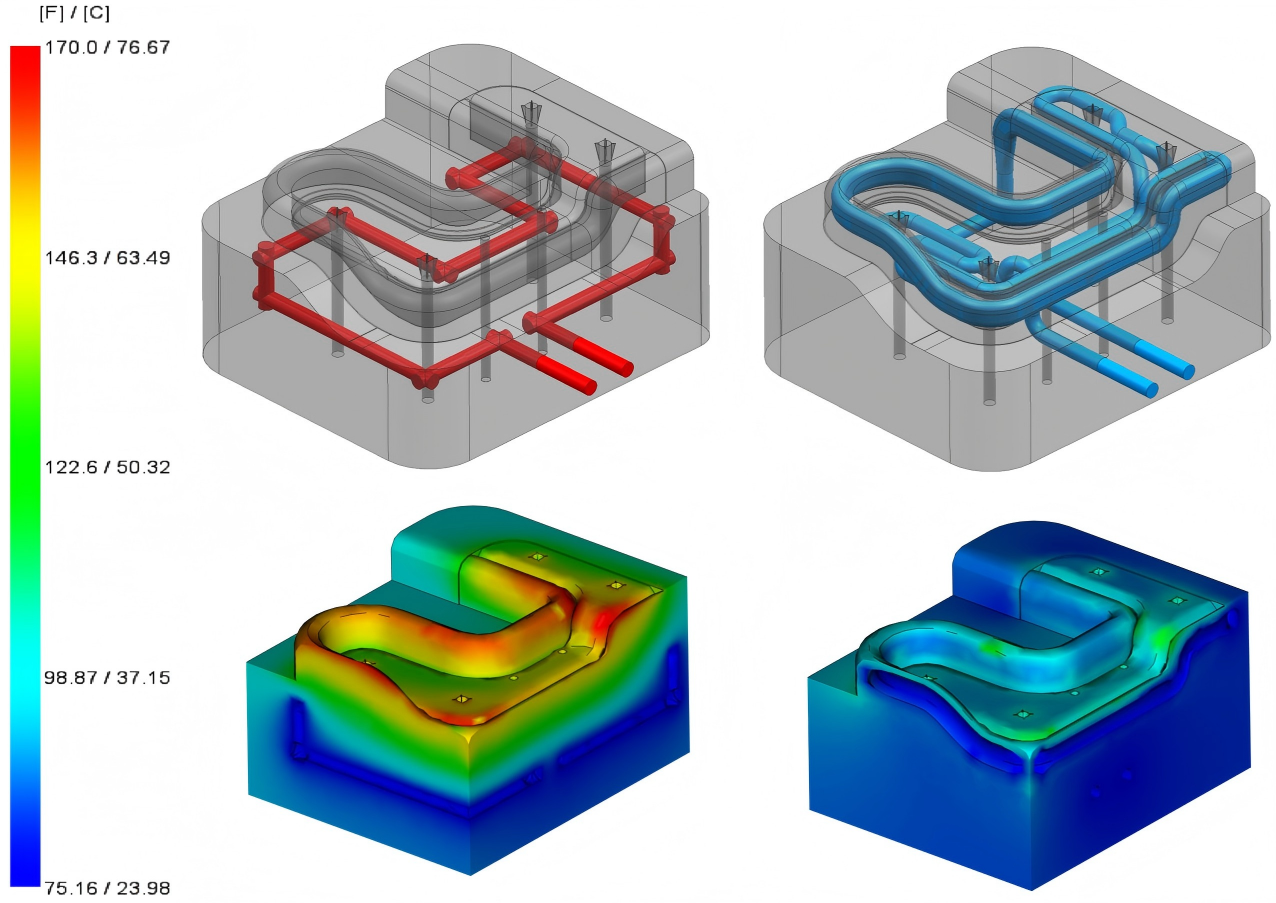
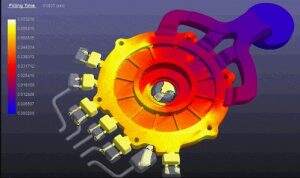
Simulation software now predicts how heat spreads through dies, which helps engineers figure out where to put cooling channels and what flow rates work best. Real time sensors watch for temperature changes in the die material and automatically adjust coolant flow as needed to keep things stable around plus or minus 3 degrees Celsius. The whole system works together to cut down on warping problems compared to older techniques, with some factories reporting about a 40% improvement in this area. This matters a lot when making parts with very thin walls that need to be accurate down to less than a tenth of a millimeter thick.
Quality Assurance Protocols Validating Aluminum Die Casting Precision
Maintaining dimensional accuracy within ±0.1 mm demands integrated, systematic quality assurance. These protocols verify every production batch against functional specifications—ensuring reliability in mission-critical applications where minor deviations can compromise performance or safety.
CMM Metrology, X-Ray NDT, and Closed-Loop Parameter Feedback
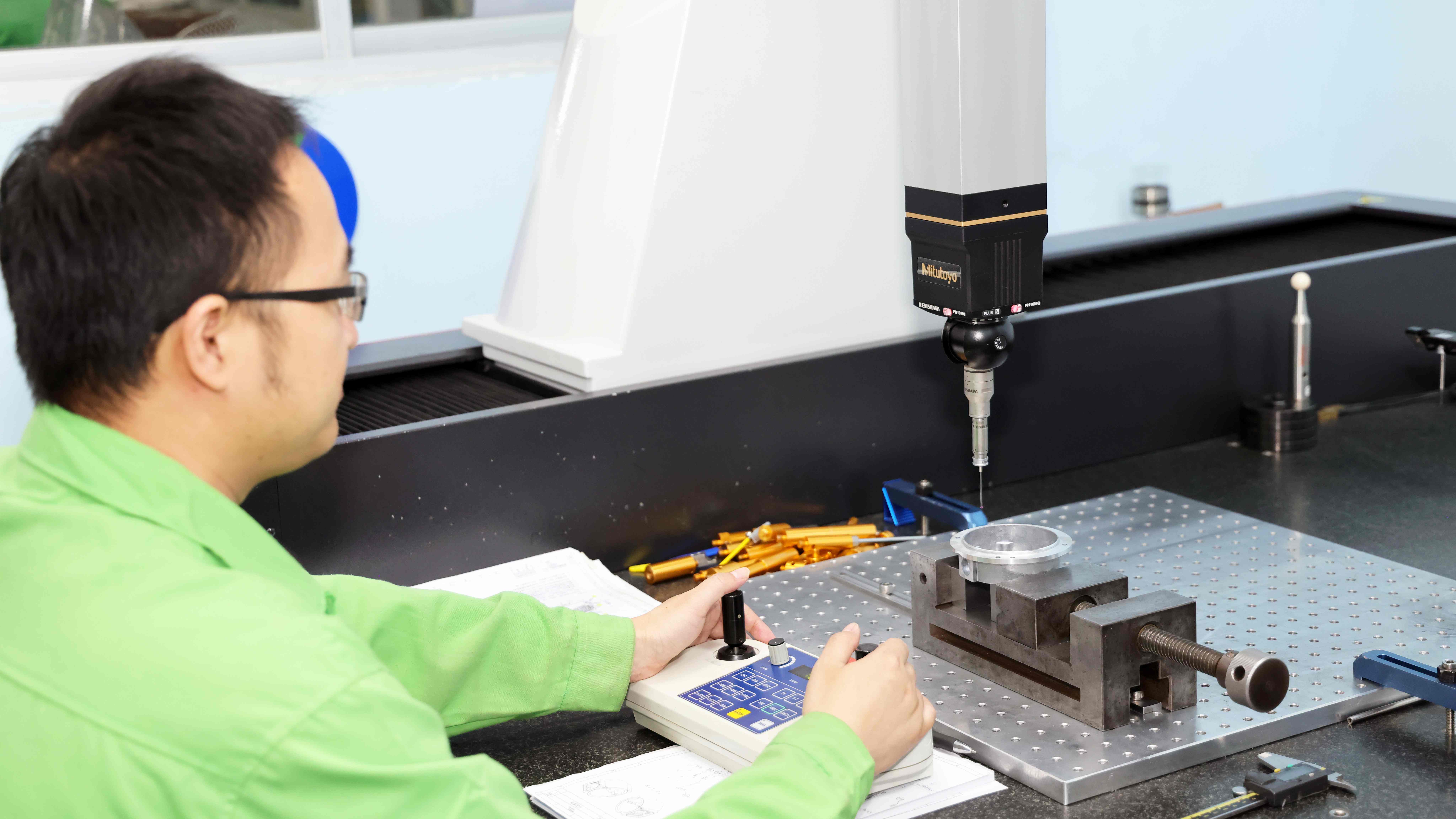
Getting down to sub 0.1 mm precision means having both synchronized checks and smart control systems working together. CMM machines do their thing without touching the part at all, scanning surfaces, measuring walls, and checking hole locations against digital blueprints using thousands of measurement points. At the same time, X-ray NDT looks inside components for hidden problems like air pockets, foreign materials, or weak spots in critical areas where parts can't afford any flaws, especially in airplane parts that must withstand extreme stress. These two inspection methods send live data to control systems that keep adjusting temperatures around ±1.5 degrees Celsius, manage pressures between 800 to 1000 bar, and fine tune how long it takes to fill molds. If something goes off track beyond acceptable limits, the system makes fixes almost instantly. According to research from Precision Manufacturing Journal last year, this combined approach cuts size variations by about 40% compared to older methods. Plus engineers can find what went wrong much faster. Manufacturers end up meeting tough industry standards consistently while throwing away fewer parts because they catch issues before they become scrap material.
| Verification Method | Key Parameters Monitored | Tolerance Impact |
|---|---|---|
| CMM Metrology | Surface contours, wall thickness, hole positions | ±0.05 mm dimensional accuracy |
| X-Ray NDT | Porosity density, inclusion size, wall consistency | Detects defects >0.2 mm |
| Closed-Loop Control | Injection pressure, die temperature, fill time | Maintains parameters within ±1.5% variance |
High-Precision Aluminum Die Casting in Critical Industries
Aerospace Actuator Housings and EV Powertrain Brackets: Functional Tolerance Case Studies
The extreme demands of aerospace and electric vehicle manufacturing really test what aluminum die casting can handle. Take those actuator housings used in aircraft for example they need to keep their seals intact even when subjected to massive 15,000 PSI hydraulic pressures. And that's not all these components also have to withstand temperature swings ranging from minus 55 degrees Celsius right up to 200 degrees Celsius, which means they need to stay dimensionally stable within just 0.05 mm tolerance. Meanwhile in EV production, powertrain brackets face another challenge completely. These parts must soak up intense 20G vibration forces while keeping battery modules aligned within a hair-thin 0.1 mm margin. Such tight tolerances require castings with extraordinary structural rigidity and consistent dimensions across every single unit produced.
The performance specs are actually achieved using several integrated control systems. We're talking about high pressure injection that can reach around 15,000 PSI, plus maintaining die temperatures between 300 and 350 degrees Celsius. There's also vacuum assisted filling which helps reduce those pesky air pockets, and then there's the T7 heat treatment process that really boosts the strength while keeping weight down. For temperature stability during production, we monitor solidification in real time and regulate thermal conditions so temperatures stay within about 5 degrees Celsius either way. This brings porosity levels below 0.2%, making sure all parts have consistent mechanical properties throughout. After casting is complete, we validate everything with automated coordinate measuring machines capable of 5 micron resolution. This gives us almost perfect repeatability at 99.8% across large production runs, meaning no need for extra machining on those critical connection points. According to industry standards from SAE International (AS9100D specifically), these improvements cut down assembly rejections by nearly half when compared to older manufacturing methods.
FAQ
1. What role does alloy selection play in achieving dimensional accuracy in aluminum die casting?
Alloy selection is crucial for aluminum die casting as certain alloys like A380 have low shrinkage properties, which enhance dimensional stability and reduce internal stresses.
2. How do cooling channels contribute to achieving precision in die casting?
Cooling channels help ensure even cooling throughout the part, which is vital for maintaining consistent dimensions and tight tolerance ranges such as +/- 0.05mm.
3. What technological advances help maintain die temperature stabilization?
Predictive thermal balance modeling and real-time sensors are used to maintain die temperature stable around plus or minus 3 degrees Celsius, which reduces warping and ensures precision in parts with thin walls.
Table of Contents
-
How Aluminum Die Casting Achieves Sub-0.1 mm Dimensional Accuracy
- Material-Specific Solidification Behavior and Microstructure Optimization
- Mold Design and Thermal Management for Repeatable Precision
- Predictive Thermal Balance Modeling and Die Temperature Stabilization
- Quality Assurance Protocols Validating Aluminum Die Casting Precision
- CMM Metrology, X-Ray NDT, and Closed-Loop Parameter Feedback
- High-Precision Aluminum Die Casting in Critical Industries
- FAQ