
 EN
EN


Why Aluminum Casting Supplier Reliability Directly Impacts New Energy Project Success
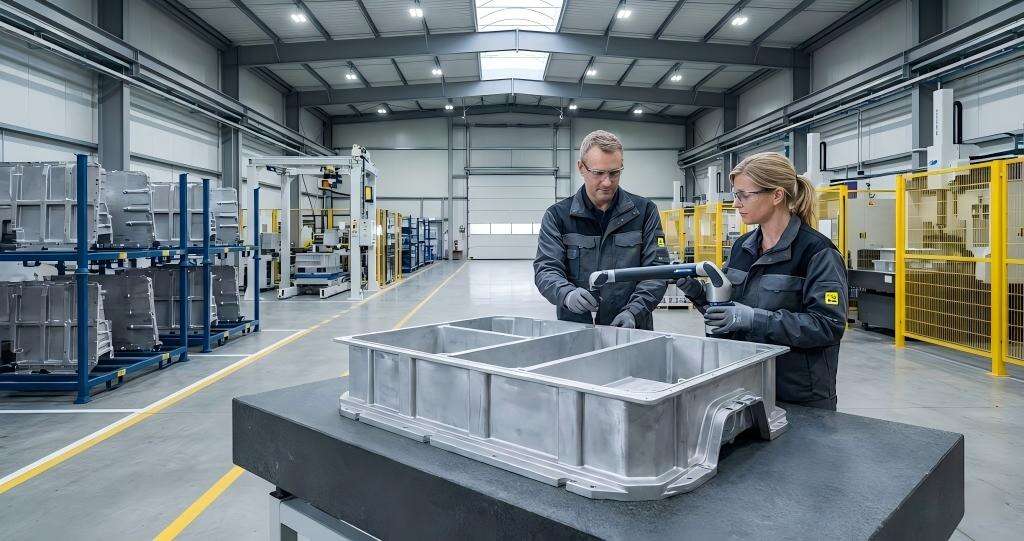
Finding a reliable aluminum casting supplier goes beyond simple purchasing decisions. It actually determines whether a project will succeed or fail down the road. Modern energy systems such as electric vehicle battery cases and parts for wind turbines need castings made with extreme precision. These components must handle intense heat changes, heavy mechanical loads, and harsh weather conditions without failing. The consequences of even one small defect in casting are serious. According to Clean Energy Council data from 2023, about 42% of all delays in renewable energy projects come from problems with component quality. When aluminum parts fail prematurely, companies face not only expensive safety recalls that can cost over $740,000 according to Ponemon Institute research from last year, but also lose valuable trust from investors and customers. This damage affects how well operations perform for years after installation.
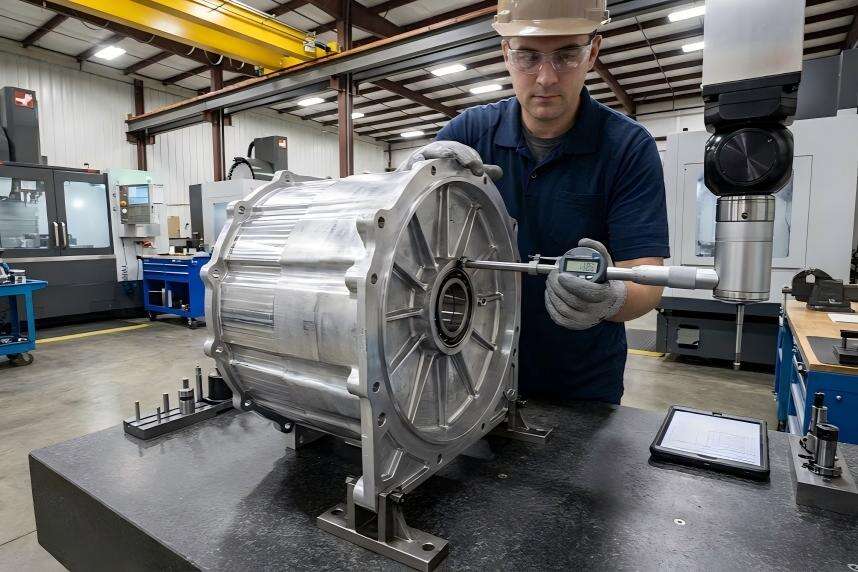
What makes this material so special, particularly because of its excellent heat and electricity conducting properties, really only works if the cast parts are made to very strict quality standards. When there's porosity issues, impurities getting mixed in, or just plain size inconsistencies, it creates big problems for how well solar inverters manage heat and how strong turbine housing structures actually are. Many suppliers who don't have tight control over their manufacturing processes end up sending out defective components that need expensive fixes. This kind of thing typically delays project timelines somewhere between six to eight weeks, which is a real headache for the renewable energy sector where meeting deadlines matters a lot. According to recent reports from the International Energy Agency (2024), around ninety percent of installations need to happen right on schedule to hit worldwide green energy goals.
- Supply chain resilience: Unplanned supplier downtime increases project costs by 18–25% through expedited shipping and reactive sourcing
- Performance guarantees: Energy output warranties become void without certified, auditable material traceability
- Scalability risks: Prototype success is meaningless without volume production consistency—a defining benchmark among qualified suppliers
Reliability extends beyond defect rates. It encompasses ethical aluminum sourcing (ensuring conflict-free origin), responsible recycling practices aligned with Scope 3 emissions goals, and proactive communication during design iterations. These integrated capabilities collectively determine whether new energy assets achieve their intended 20+ year service life—or become stranded liabilities.
5 Non-Negotiable Capabilities of a Qualified Aluminum Casting Supplier
Selecting a partner for aluminum casting demands scrutiny beyond basic specifications. True capability is defined by five foundational attributes:
Proven experience with new energy applications: EV battery enclosures, solar inverter housings, and wind turbine components
When evaluating suppliers, they need to show actual results for specific applications, not just throw around vague aerospace or industrial talking points. For electric vehicle battery enclosures, getting thermal management right is absolutely critical. Even tiny pores in materials can cause serious problems during faults by speeding up thermal runaway processes. Components used in wind turbines face something else entirely - these parts go through mind-boggling numbers of stress cycles, often over ten million times. That's why manufacturers should stick with alloys specifically designed for this kind of wear and tear, like the well-proven A356-T6 material. Real proof matters here. Look for solid case studies backed up by independent testing reports and actual field performance numbers. Don't forget those important certifications either. Standards like ASTM E155 for radiographic inspection aren't just paperwork - they actually tell us whether materials hold up inside when subjected to all sorts of real world forces and vibrations.
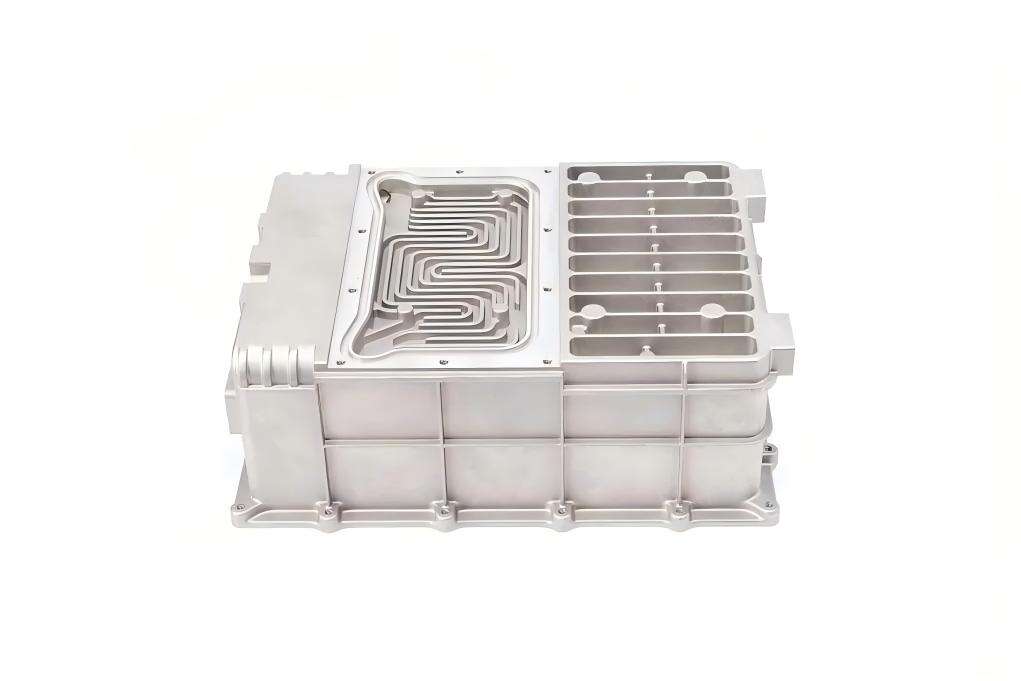
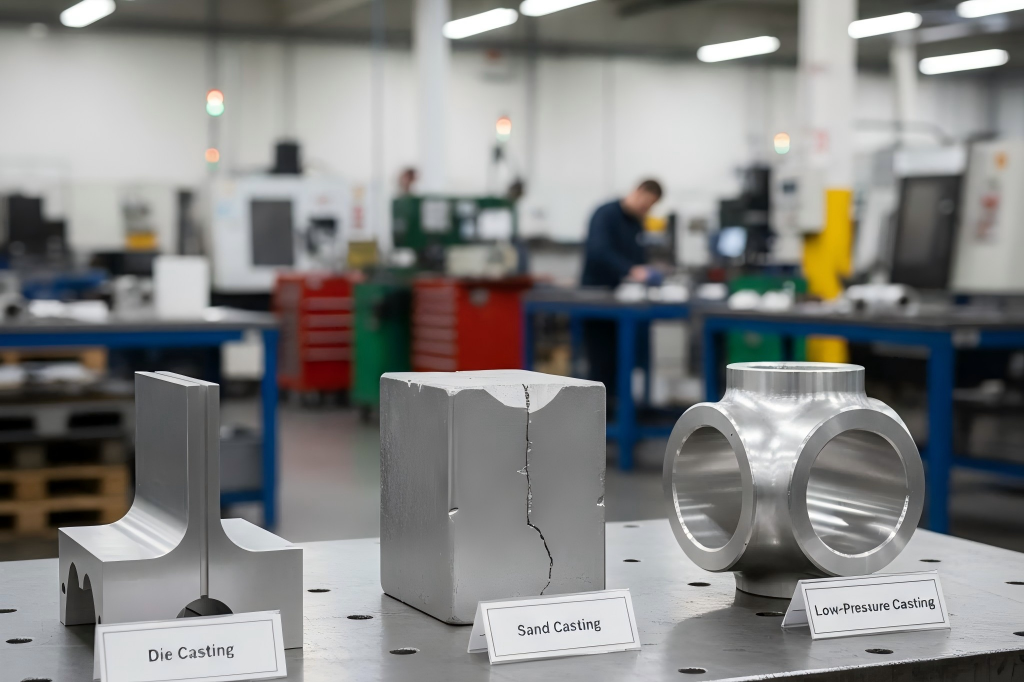
End-to-end process alignment: Matching casting method (die, sand, or low-pressure) to functional requirements and scale
| Method | Optimal Use Case | Volume Suitability |
|---|---|---|
| Die Casting | Thin walls, complex geometries (inverters) | High-volume (>10k/yr) |
| Sand Casting | Large parts (turbine hubs), design flexibility | Low/mid-volume |
| Low-Pressure | Critical structural integrity (battery trays) | Mid-volume |
Good suppliers start by looking at how parts will actually be used in real world conditions rather than jumping to conclusions based on what worked before. They consider things like where stress points occur, how much corrosion the part might face over time, and just how many units need to be produced each year. Take automotive connectors for electric vehicles as one case point. Die casting can hit those tight 0.5mm tolerance specs needed when making thousands of these housings annually. But if someone needs something different, say custom brackets for small hydropower installations, sand casting offers more design freedom even though production runs stay around 500 pieces maximum. The best ones back up their decisions with proper analysis too. Most rely on computer modeling through FEA software combined with actual prototype tests. This approach beats relying on old habits or stories passed down from previous projects any day of the week.
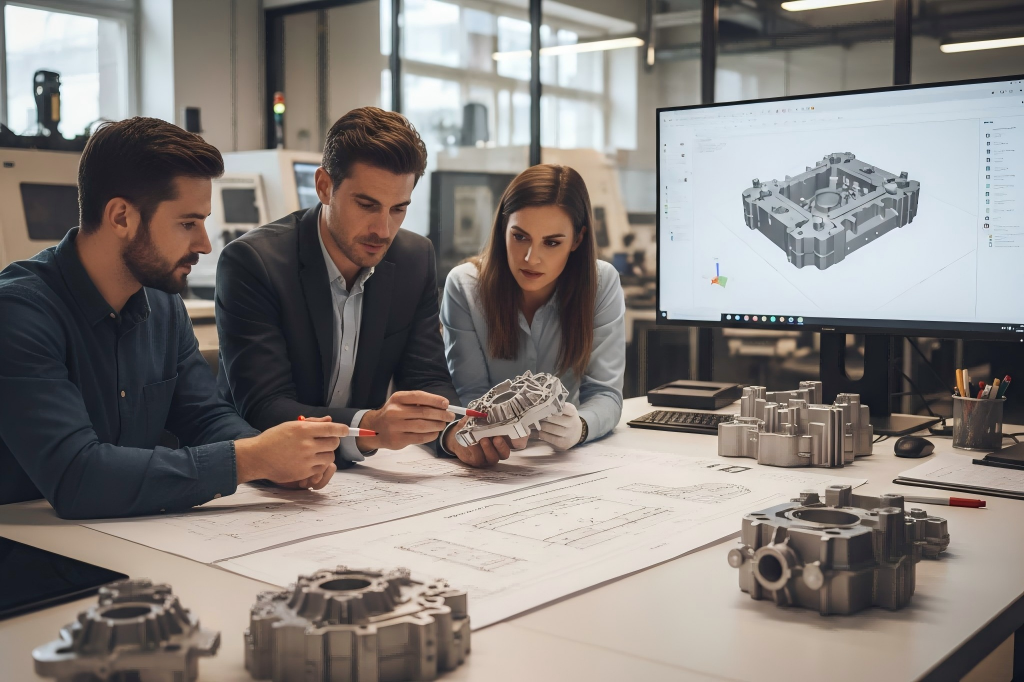
Integrated engineering support: From DFMA collaboration to rapid prototyping and tooling validation
The best suppliers bring metallurgists and casting engineers into the design stage right from the start. These experts aren't just there to take orders though—they work alongside designers as actual partners in development. When it comes to manufacturing, companies use DFMA principles to get things right from the beginning. This means looking at wall thicknesses, draft angles, and how parts are gated into the mold so we can cut down on defects later and reduce the need for machining. For quick testing, many firms now turn to rapid prototyping methods like 3D printed sand molds or even low pressure aluminum patterns. This lets them see if something will actually work before they spend big bucks on permanent tooling. Once tooling is ready, validation checks include running thermal cycles, measuring pressure loss over time, and analyzing how well the molten metal fills all those cavities. All this testing makes sure everything runs smoothly when production starts and keeps working reliably long after that too.
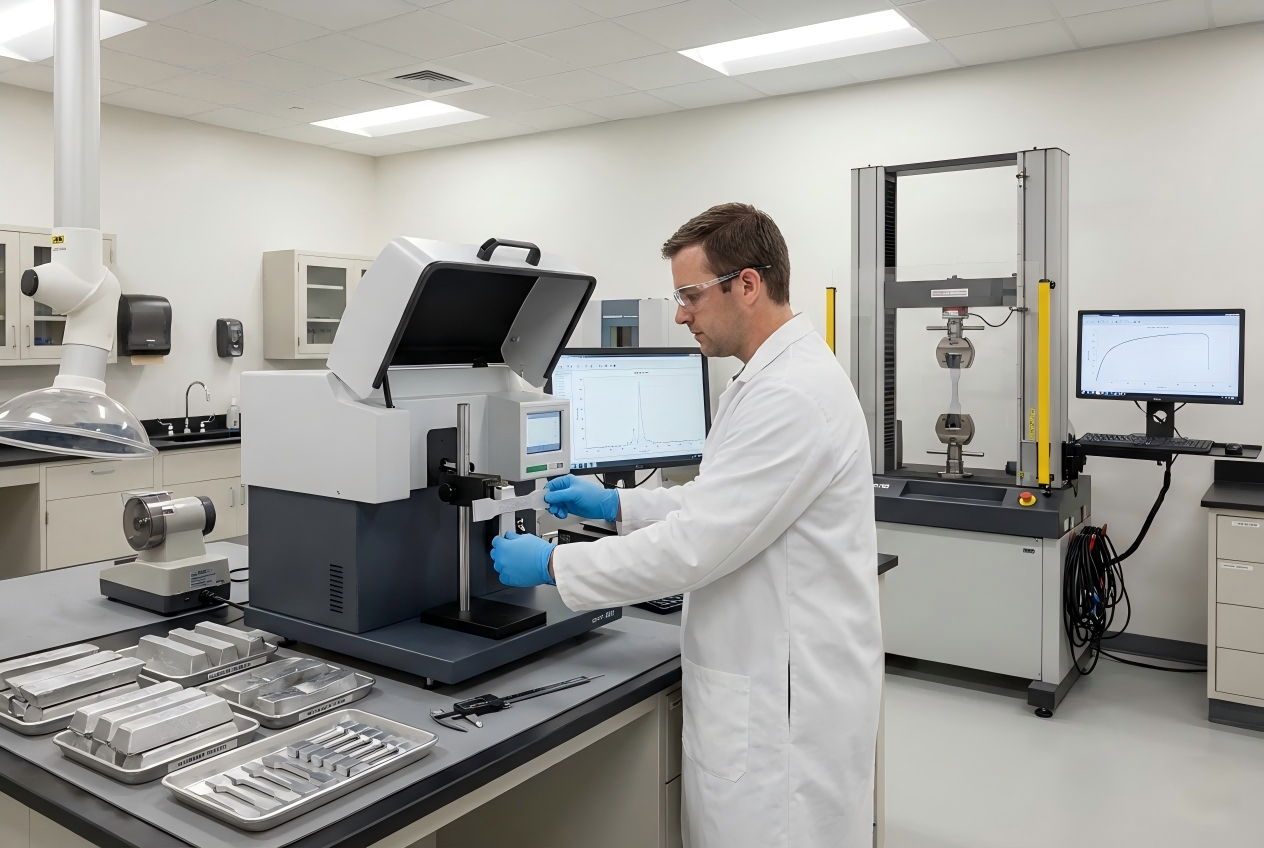
In-house metallurgical lab and real-time process monitoring
The foundation of reliable manufacturing lies in strict control over alloys used in production. Top quality suppliers maintain certified laboratory facilities where they conduct various tests including spectrographic analysis to check chemical composition, perform tensile strength tests to assess material integrity, and examine microstructures according to industry standards like ASTM E8/E8M and E3 specifications. Continuous monitoring during the process itself makes all the difference. When manufacturers track parameters such as melt temperatures, detect hydrogen levels through vacuum porosity checks, and monitor pressures within mold cavities, problems can be addressed right away instead of waiting until after production. This proactive approach cuts down on inconsistencies much better than simply inspecting finished products later on, which often misses issues that have already affected multiple units.
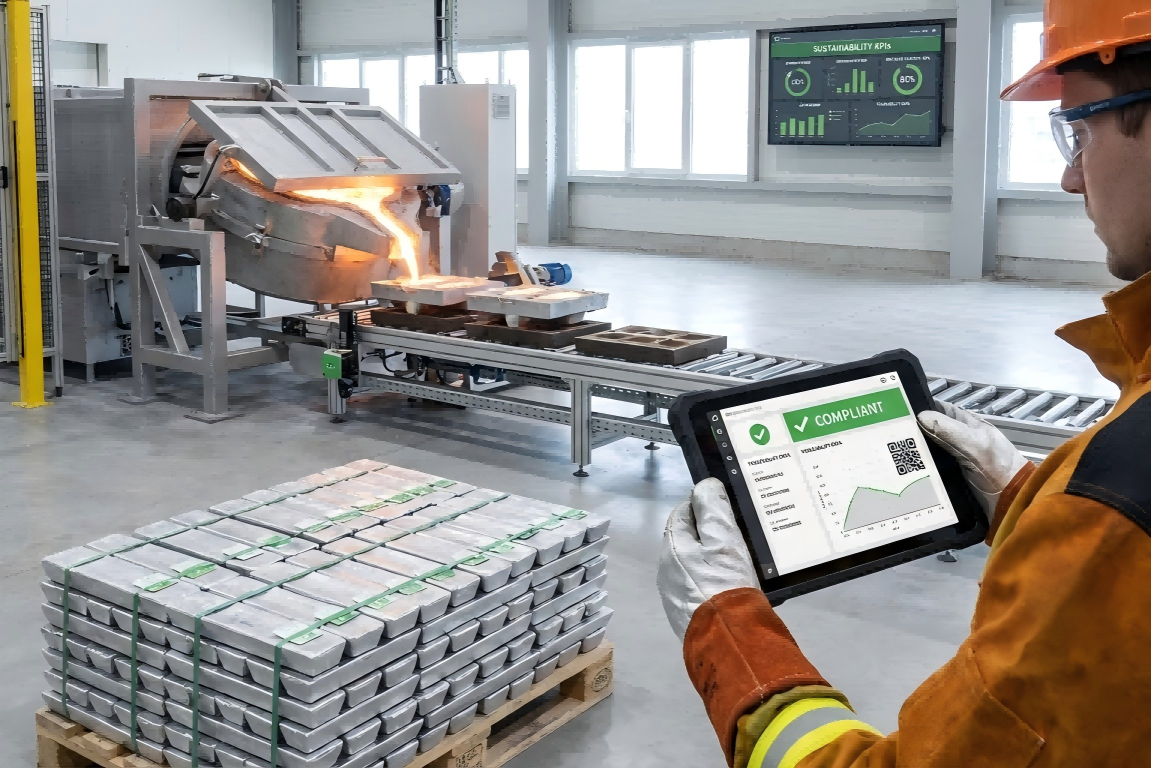
Scalable, auditable supply chain transparency
Certified traceability—from bauxite source to finished casting—is non-negotiable. Suppliers must provide batch-level documentation verifying alloy composition, heat treatment parameters, and non-destructive test results. Blockchain-enabled platforms or ERP-integrated traceability systems ensure full audit readiness for OEMs and regulators alike—particularly critical under frameworks like the EU Battery Regulation (2023).
Certifications and Quality Assurance That Matter for Aluminum Casting Suppliers
Beyond ISO 9001: Why IATF 16949, ASTM B26/B26M, and AS9100 Signal Real Production Rigor
ISO 9001 covers basic quality management practices, but when it comes to serious new energy projects, specialized certifications really show if a manufacturer knows what they're doing. Take IATF 16949 for instance. This standard requires companies to build in systems that stop defects before they happen, along with detailed product quality plans and full visibility across the entire supply chain. These requirements matter a lot for making EV battery enclosures that meet automotive standards. Then there's ASTM B26/B26M which deals specifically with testing aluminum alloy sand castings. The standard outlines how to check mechanical properties, what samples to take, and various testing procedures so these parts hold up when subjected to real world forces. And don't forget AS9100 either. Originally developed for aerospace, this certification adds an extra layer of scrutiny to energy infrastructure projects where failures just aren't an option. Its focus on anticipating risks, managing component specifications, and controlling changes makes all the difference in safety critical applications.
| Certification | Key Focus Area | Industry Relevance |
|---|---|---|
| IATF 16949 | Defect prevention, traceability | EV/automotive components |
| ASTM B26/B26M | Mechanical testing standards | Structural castings |
| AS9100 | Risk management, documentation | Aerospace/energy infrastructure |
Manufacturers holding all three certifications reduce metallurgical failure rates by up to 67% compared to ISO 9001-only suppliers (Deloitte Manufacturing Benchmark 2023). This multi-layered validation confirms consistent alloy chemistry, dimensional repeatability, and fatigue resistance—non-negotiable qualities when component longevity directly determines system uptime and ROI.
Sustainability Compliance as a Supplier Evaluation Criterion—Not a Buzzword
Verifying aluminum recyclability, carbon footprint transparency, and responsible material traceability
Sustainability compliance is now a baseline requirement—not an optional differentiator—for aluminum casting suppliers serving new energy projects. Leading EV OEMs and renewable developers mandate verifiable proof of environmental stewardship to mitigate regulatory, reputational, and operational risk. Prioritize these non-negotiable checks:
- Recyclability Verification: Confirm closed-loop aluminum reclamation processes. High-purity secondary alloys reduce embodied carbon by 95% versus primary aluminum while maintaining mechanical properties required for battery enclosures and turbine components.
- Carbon Footprint Audits: Require ISO 14064-verified emissions data across raw material extraction, melting, and transportation. Projects targeting net-zero must include granular Scope 3 tracking—suppliers unable to provide this lack the data infrastructure for credible ESG reporting.
- Material Traceability Systems: Validate blockchain or batch-level documentation proving conflict-free sourcing and ethical labor practices. Regulatory frameworks like the EU Battery Regulation (2023) enforce mandatory due diligence for cobalt, lithium, and aluminum supply chains.
Suppliers lacking these verifications expose projects to regulatory penalties, production halts, and brand damage. As automotive OEMs face fines up to $10k per vehicle for ESG non-compliance (Deloitte 2023), rigorous sustainability assessment separates accountable partners from greenwashers—and ensures your new energy assets remain viable across their full lifecycle.
FAQ
Why is a reliable aluminum casting supplier crucial for new energy projects?
Reliable suppliers ensure high-quality components that can handle extreme conditions, preventing project delays and financial losses.
What certifications should I look for in an aluminum casting supplier?
Look for IATF 16949, ASTM B26/B26M, and AS9100 certifications that signal adherence to rigorous quality and production standards.
How does sustainability factor into choosing a supplier?
Suppliers should have proven sustainability practices such as recyclability verification and carbon footprint transparency, which are critical for long-term project viability.
Table of Contents
- Why Aluminum Casting Supplier Reliability Directly Impacts New Energy Project Success
-
5 Non-Negotiable Capabilities of a Qualified Aluminum Casting Supplier
- Proven experience with new energy applications: EV battery enclosures, solar inverter housings, and wind turbine components
- End-to-end process alignment: Matching casting method (die, sand, or low-pressure) to functional requirements and scale
- Integrated engineering support: From DFMA collaboration to rapid prototyping and tooling validation
- In-house metallurgical lab and real-time process monitoring
- Scalable, auditable supply chain transparency
- Certifications and Quality Assurance That Matter for Aluminum Casting Suppliers
- Sustainability Compliance as a Supplier Evaluation Criterion—Not a Buzzword
- FAQ