 ×
×

Dec 15,2025
Selecting a reliable aluminum casting supplier requires a thorough assessment of their industry-specific expertise and technical mastery to ensure compatibility with demanding industrial applications.
Companies that have worked extensively in automotive, aerospace, and electronics tend to produce better outcomes because they really get what each industry needs when it comes to precision and reliability. Take aerospace as an example where parts need to be manufactured within extremely tight tolerances sometimes as small as plus or minus 0.005 millimeters. Plus there are all those NADCAP standards to follow for things such as heat treatment processes and non-destructive testing methods. The automotive sector is different but no less demanding requiring parts that can withstand millions upon millions of stress cycles before failing. Meanwhile electronic components focus heavily on managing heat dissipation and creating tiny yet robust housing solutions. When manufacturers work with suppliers who understand these specific challenges from years of experience, it actually makes a big difference. Fewer mistakes during design phases mean products reach market faster and companies save money on fixing problems later down the line with some estimates suggesting savings around 30 percent on rework costs for complicated assembly jobs.
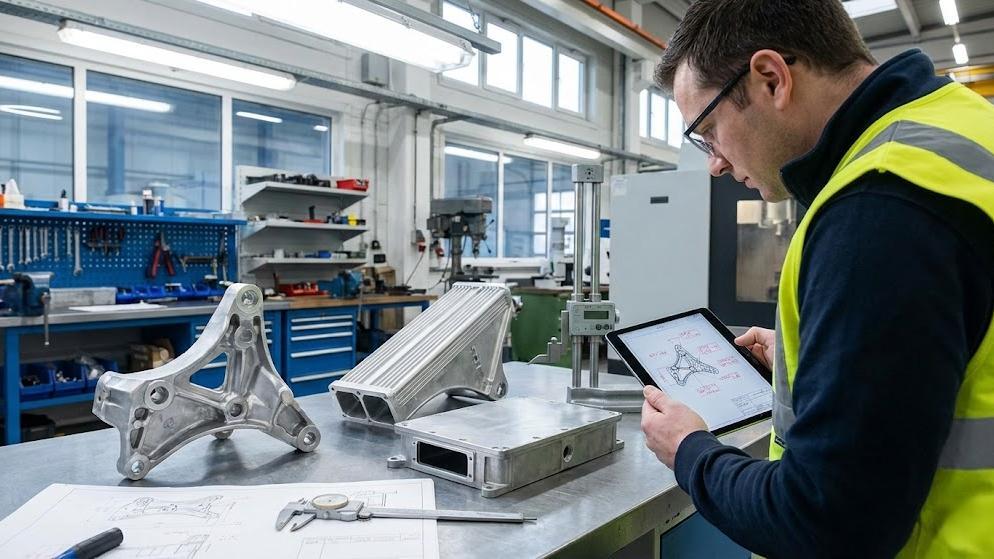
Being proficient in sand, die, and investment casting techniques really matters when dealing with different manufacturing requirements. Sand casting gives manufacturers a lot of flexibility since the tooling doesn't cost much, which makes sense for big parts produced in small quantities. When companies need lots of parts fast, die casting becomes the go to method. The machines can churn out pieces in less than a minute per cycle, and they get those super smooth surfaces down to around 1.6 microns roughness average. For complex shapes that look almost finished right off the machine, investment casting wins hands down. These castings require very little finishing work afterward. Good suppliers who know all these approaches balance things like money spent, product quality, and how long projects take. They keep defects at about half a percent or lower by following those ASTM B26 and B179 guidelines religiously.
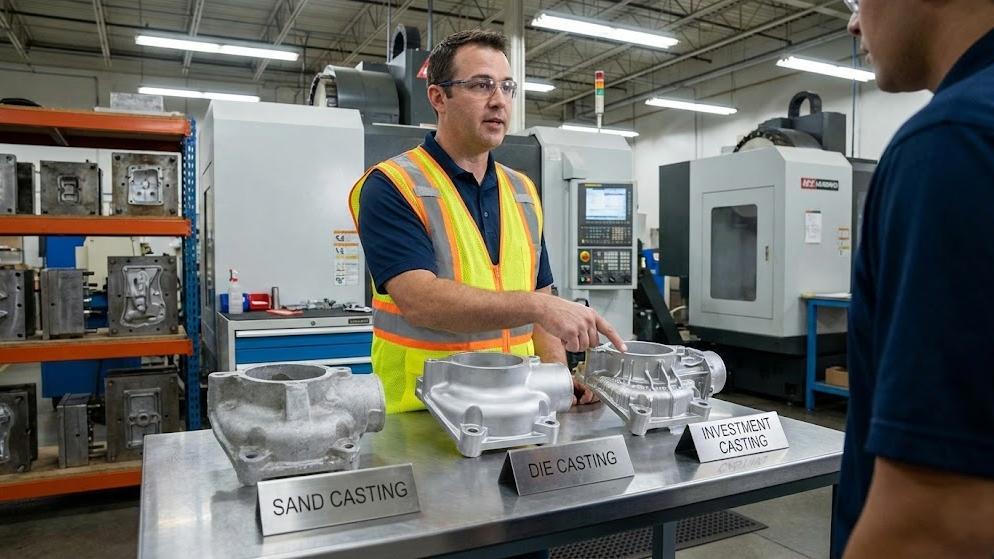
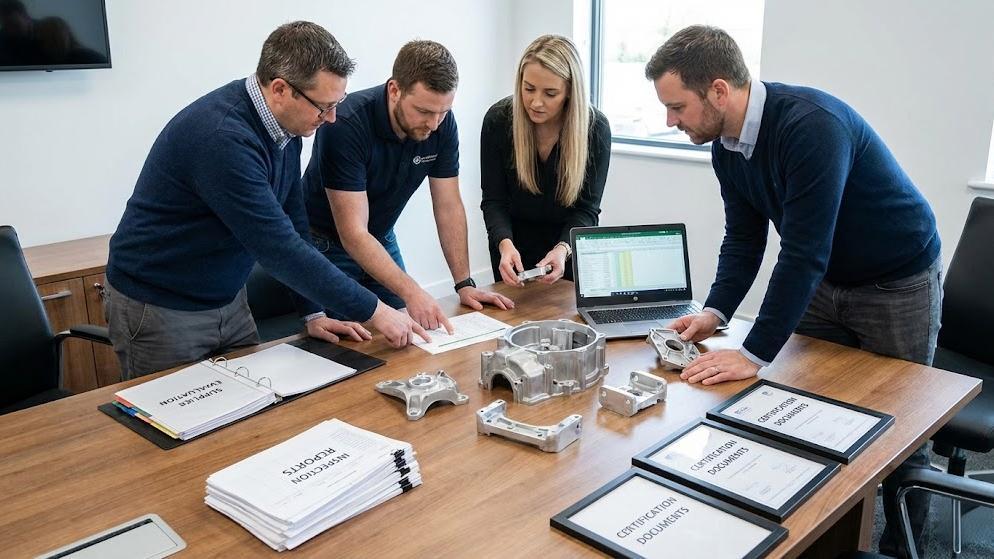
When looking at suppliers, their certifications really tell us if they can consistently deliver reliable products. Take ISO 9001 for instance. This certification basically means a company has solid systems in place to maintain quality across all their manufacturing processes. In the aerospace sector, getting NADCAP accredited shows they've got the know-how for specific tasks like checking materials without damaging them or properly treating metals through heat processes. For defense work, there's no way around ITAR compliance requirements when dealing with sensitive information and restricted materials. Companies that skip these important third-party checks often end up facing serious problems down the road. We're talking about average costs of around $740,000 each time something goes wrong according to Ponemon Institute research from 2023. That's why smart businesses always work with vendors who keep their certifications current and regularly undergo audits. It's not just paperwork it demonstrates real commitment to managing risks effectively while maintaining strict operational standards.

Getting consistent materials and accurate dimensions matters a lot when components need to perform under tough conditions. Good quality suppliers stick to specific standards like ASTM B26 which sets sand casting tolerance limits around plus or minus 0.010 inches, while ASTM B179 deals with how pure the alloys should be. For mechanical properties, most look at the Aluminum Association's AA-535 standard. This covers things like minimum tensile strength requirements hitting at least 185 megapascals and what counts as acceptable elongation during stress tests. Companies wanting to meet these specs typically run various checks throughout production. They'll test samples regularly to confirm everything meets those numbers before shipping out products to customers who depend on reliable performance from their parts.
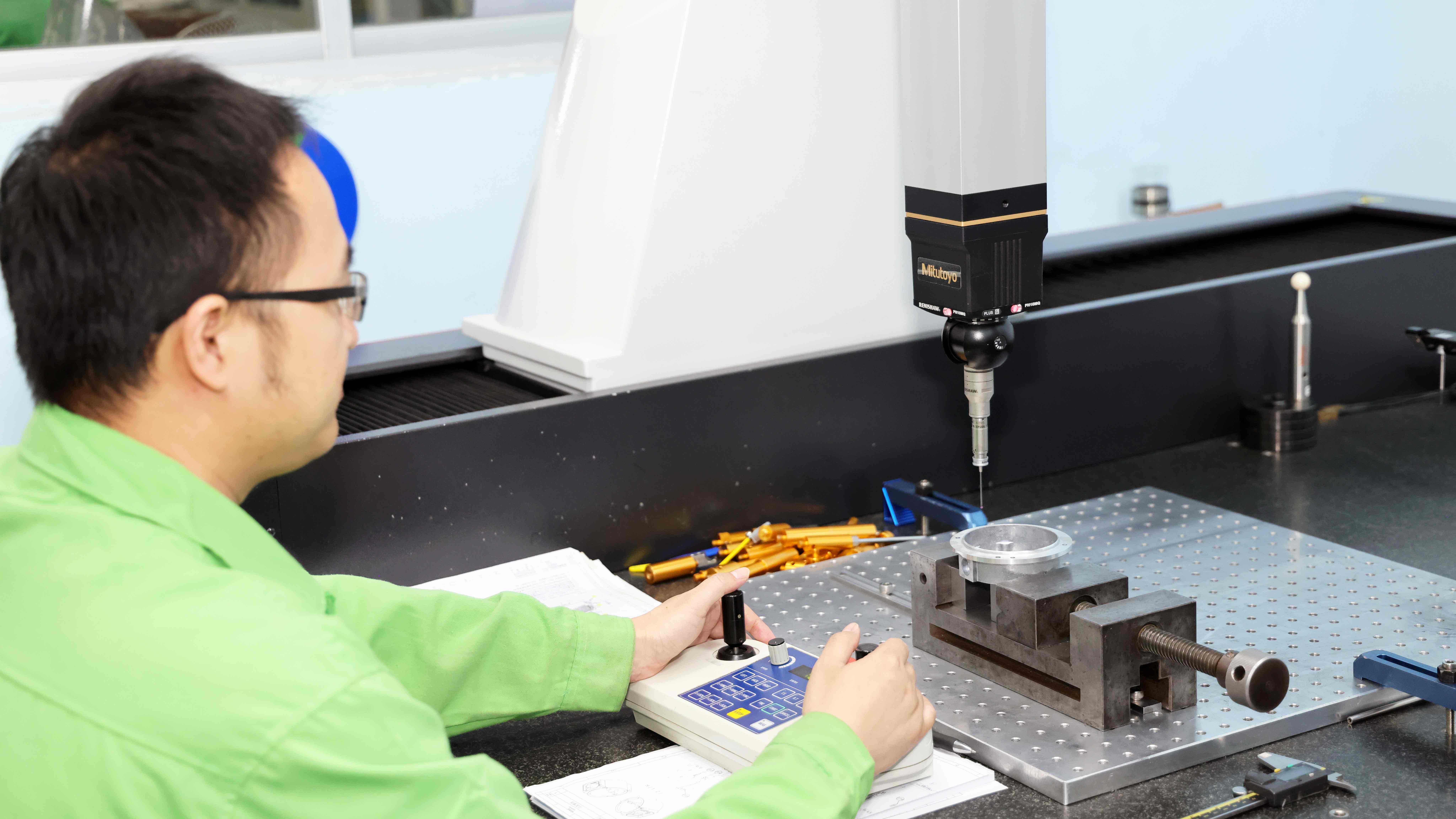
These measures prevent field failures such as seal breaches from mismatched thermal expansion in engine blocks and reduce scrap rates by 22% through batch-to-batch consistency.
How well a supplier can move from making prototypes to actual production makes all the difference in today's manufacturing world. The whole scaling process usually starts with quick prototyping methods like 3D printed sand molds or running die casting simulations. These approaches help catch design issues and process problems much earlier than traditional methods. According to the Manufacturing Efficiency Report for 2023, about one third of industrial projects end up delayed because companies didn't plan their scaling properly. That's why smart suppliers build production-ready tooling right from day one and rely on data when planning their capacity. Getting things right means having consistent workflows and strict process controls that keep parts within tight tolerances - around plus or minus 0.15mm whether they're making just a few test pieces (under 50 units) or going into mass production (over 10,000 units). Companies that skip setting up proper transition protocols between stages typically spend about 22% more time getting products to market and see their costs per unit jump by roughly 17%. Not worth it for most businesses trying to stay competitive.
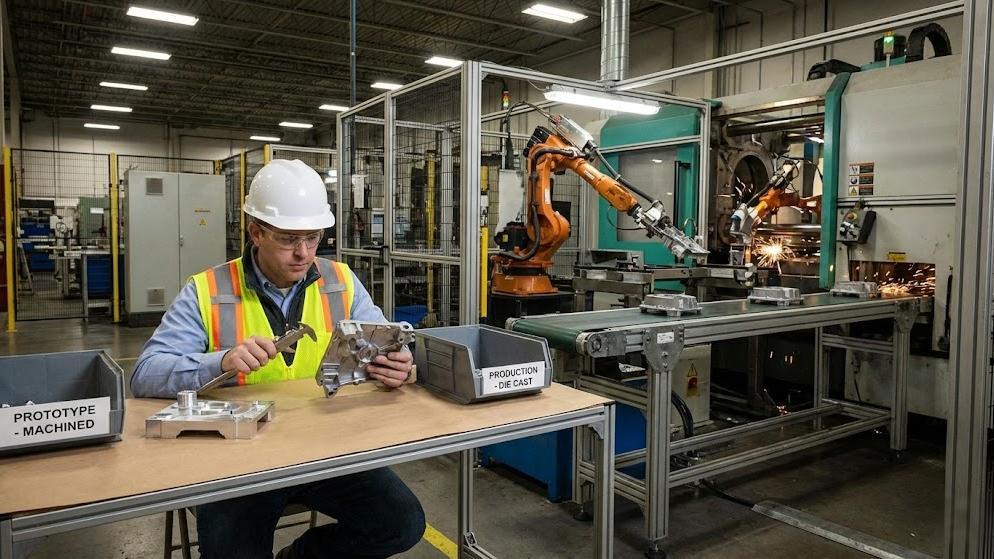
The best suppliers in the business rely on sophisticated in-process inspections to keep components solid and dependable. They use real-time X-ray checks along with ultrasonic testing to spot hidden problems like tiny pockets of air or foreign materials inside parts, all while keeping the actual product intact. If something goes wrong during production, these companies don't just fix the symptom they actually dig deeper through proper analysis to find out why issues happened in the first place. Was it because the mold got too hot or cold? Did gas get trapped somewhere it shouldn't have? Or maybe there was inconsistency in the metal mix itself? Finding answers leads to better fixes down the line. This whole system cuts down on wasted materials significantly, sometimes around 40 percent, saves money on fixing mistakes later, and keeps everything within those strict requirements for planes, cars, and other demanding applications. By watching key points throughout manufacturing, these operations stay compliant with ASTM standards for size measurements and material quality, which ultimately means customers receive parts that perform well and last longer than average.
The core aluminum casting methods include sand casting, die casting, and investment casting. Each method has its unique advantages and applications depending on production needs and complexity of parts.
Certifications like ISO 9001 ensure that suppliers maintain rigorous quality standards across manufacturing processes. This certification is crucial as it demonstrates a supplier's commitment to quality and reliability consistently.
A supplier transitions from prototyping to high-volume production by developing production-ready tooling early, using prototyping methods to catch design flaws, and employing consistent workflows and process controls.
Critical inspections for product quality in casting include in-process checks like X-ray and ultrasonic testing, and end inspections that involve structured root-cause defect resolution.

 EN
EN

