
 EN
EN


Evaluate Technical Expertise and Foundry Specialization
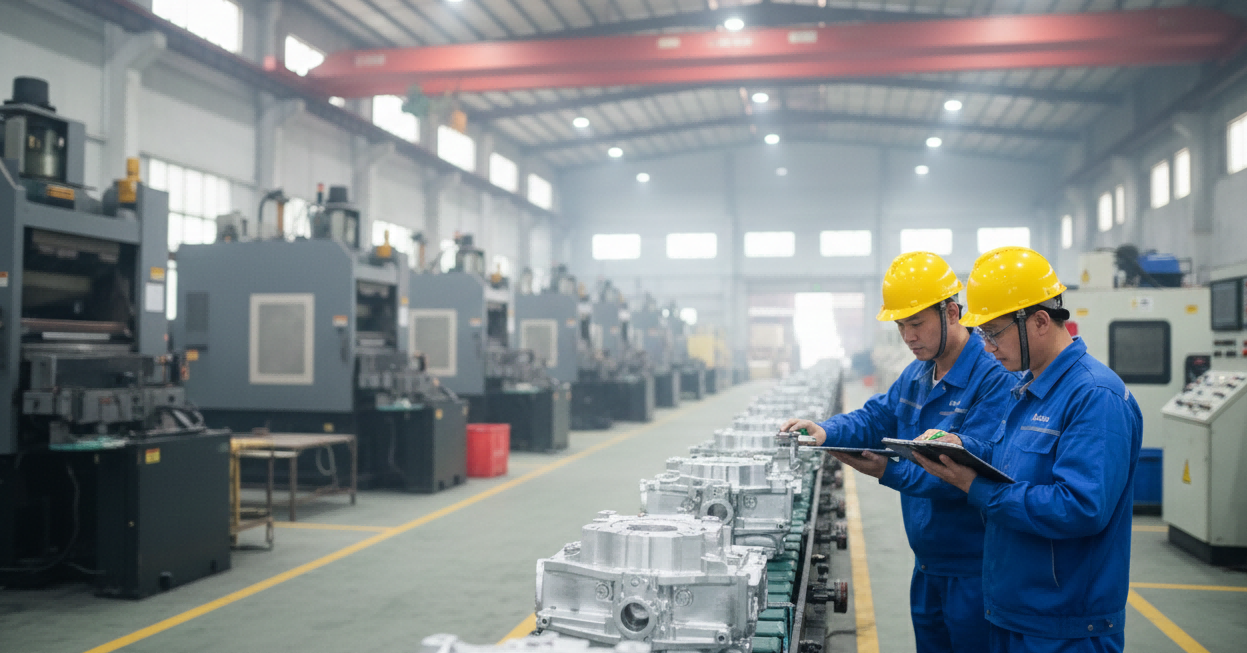
When selecting an aluminum casting supplier, prioritize facilities with demonstrated expertise in die, sand, and permanent mold casting methods. Suppliers offering advanced engineering support reduce defect risks by 34% in complex geometries (ASM International 2024), especially for automotive or aerospace components requiring tight dimensional tolerances.

Assessing experience in key aluminum casting methods (die, sand, and permanent mold)
Review production records that demonstrate successful projects using your required technique—die casting for high-volume runs versus sand casting for large, low-volume parts. A supplier's ability to match the process to your design complexity ensures optimal cost, quality, and lead time outcomes.
Importance of engineering support for complex or high-integrity castings
Top-tier suppliers employ metallurgical engineers to optimize gating systems, riser design, and cooling rates—critical for minimizing porosity in safety-critical applications such as EV battery housings or structural aerospace components. This technical oversight enhances yield and performance consistency.

Reviewing team qualifications and documented process control systems
Verify adherence to AS9100-certified workflows and confirm personnel certifications in quality management systems. Standardized, auditable processes ensure repeatability across batches and alignment with stringent industry requirements.
Case Study: How technical specialization improved product integrity for automotive clients
A Tier 1 automotive manufacturer reduced warranty claims by 28% after partnering with a supplier specializing in hypereutectic aluminum alloys for engine blocks. The collaboration leveraged proprietary solidification modeling and in-process thermal monitoring to eliminate shrinkage defects.
Balancing advanced capabilities with consistent process documentation
Prioritize suppliers that combine real-time process monitoring with comprehensive parameter logging. Detailed traceability supports rapid root cause analysis during audits and is essential for maintaining quality at scale.
Verify Quality Control Processes and Defect Prevention Measures
Robust quality management separates exceptional aluminum casting suppliers from average performers. Leading manufacturers implement 18–22 process checkpoints—from alloy verification during melting to final dimensional inspections—ensuring control at every stage.
Advanced Non-Destructive Testing (NDT) methods like X-ray tomography and ultrasonic scanning detect subsurface flaws such as porosity and micro-cracks that visual inspections cannot identify. These techniques are vital for aerospace and automotive castings where zero-defect performance is mandatory.
For those running large scale die casting operations, automated coordinate measuring machines (CMMs) keep things pretty tight, holding tolerances around ±0.15mm on about 97% of all production runs. This kind of precision matters a lot when making those sealed surfaces needed for EV battery casings. Many progressive foundries are starting to hook up their equipment with IoT sensors combined with some machine learning stuff these days. These systems look at roughly 3,000 different data points every single hour just so they can spot problems with injection speed early enough to fix them before anything actually goes wrong on the production line. Some shops report catching issues weeks ahead of time thanks to this setup.
The numbers tell us something important about prevention work. According to ASM International, most casting problems actually start during the mold design stage or when cooling happens, with around three out of four defects traced back there. When manufacturers use thermal imaging alongside simulation tools, they see a big drop in rework needed for porosity issues—about half less than companies that only check products after they're made. Moving away from just finding problems later on to stopping them before they happen makes scaling operations easier while still keeping the metal properties intact. This approach isn't just theoretical either; many shops report better bottom lines once they implement these preventive measures across their production lines.
Confirm Compliance with Industry Standards and Certifications
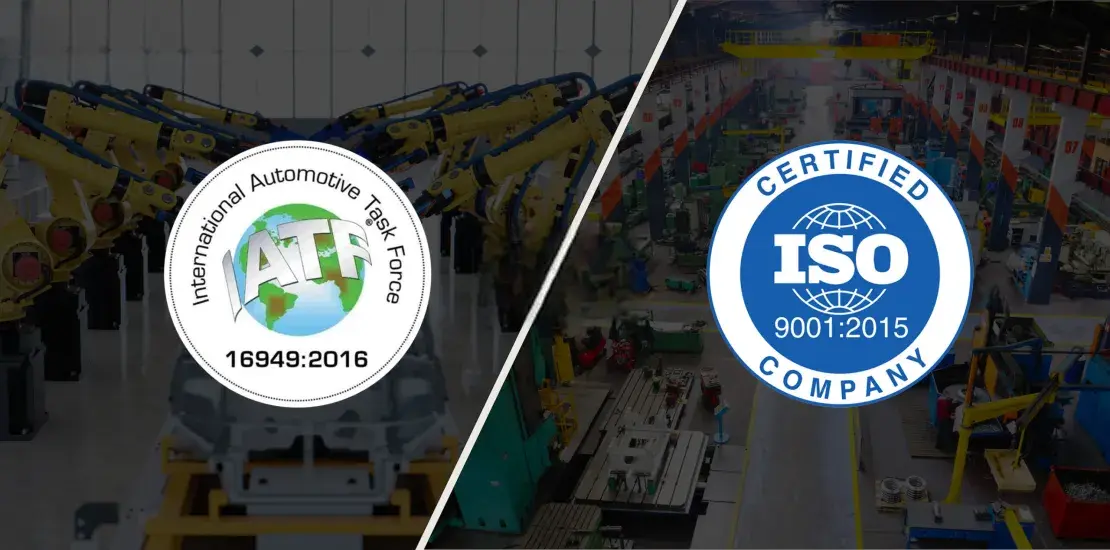
Essential certifications for aluminum casting suppliers: ISO 9001, IATF 16949, AS9100
Choose suppliers certified under ISO 9001 for general quality management, IATF 16949 for automotive-specific controls, and AS9100 for aerospace and defense applications. These standards enforce rigorous process discipline:
- ISO 9001: Mandates traceable documentation and corrective action procedures
- IATF 16949: Addresses automotive risks including heat treatment validation and containment protocols
- AS9100: Requires enhanced risk mitigation for flight-critical components
Suppliers holding these certifications experience 38% fewer non-conformance incidents than uncertified counterparts, according to 2023 industry benchmarks.
How certification ensures traceability, quality control, and audit readiness
Certified suppliers use serialized tracking systems that link each casting batch to its raw material origin, process parameters, and inspection results. During regulatory audits, this enables swift root-cause analysis—particularly important in medical device manufacturing, where documentation accounts for 22% of approval timelines (2024 Manufacturing Compliance Report).
AS9100 and its critical role in aerospace and defense casting applications
AS9100 mandates 100% non-destructive testing for turbine blades and structural aerospace components. Its supplier oversight requirements help prevent single-source dependencies—a vulnerability highlighted in recent defense supply chain assessments. Castings produced under AS9100 show 60% lower failure rates in fatigue testing compared to non-certified equivalents.
Assess Production Capacity, Scalability, and Supply Chain Reliability
Matching Supplier Capacity with Current and Future Volume Requirements
Ensure potential suppliers can meet current order volumes while maintaining 15–20% surge capacity for unexpected demand spikes. Top manufacturers use takt time analysis and Overall Equipment Effectiveness (OEE) metrics to validate throughput; request production logs from their most recent 8–12 weeks to assess real-world performance.

Evaluating Scalability for Long-Term Partnerships and Demand Fluctuations
For long-term reliability, evaluate suppliers' multi-year tooling investment plans and workforce development strategies. Probe their experience scaling production by 300–500% within 12 months—common in automotive and renewable energy sectors facing annual demand volatility exceeding 40%.
Geographic and Logistical Factors Impacting Supply Chain Resilience
A 2024 ASM International study found that 62% of production delays stem from port congestion and customs bottlenecks. Prioritize suppliers with regional hubs near your assembly sites or those utilizing bonded warehouses to bypass import/export delays and enhance delivery predictability.
Strategy: Building Dual-Source Agreements to Mitigate Disruption Risks
Progressive buyers establish dual-source agreements with two qualified aluminum casting suppliers, allocating orders at a 70/30 ratio. This approach reduces lead time variability by 55% (per defense procurement data) while preserving competitive pricing through performance benchmarking.
Trend Analysis: Rising Demand for Large, Lightweight Aluminum Structures in EV Manufacturing
EV battery housing trends now require single-piece aluminum castings exceeding 2.2m x 1.5m. Confirm supplier capability for mega-casting through:
- 8,000+ ton die-casting presses
- Real-time thermal monitoring systems
- Post-casting heat treatment furnaces with capacity over 12m³
Review Material Expertise and Customer Validation
Alloy selection guidance: Matching materials to performance needs (e.g., A380 vs. A356)
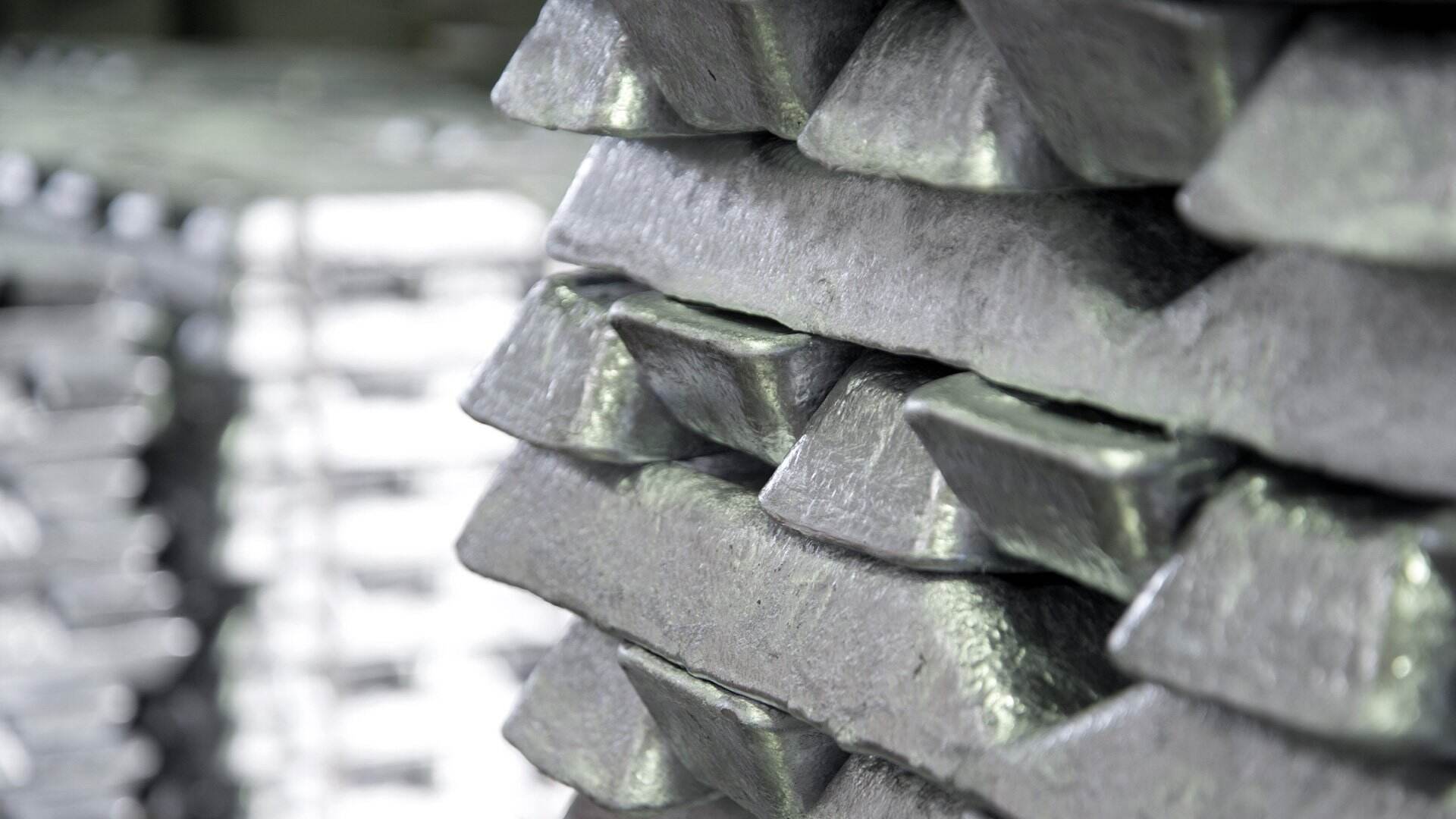
Choosing the correct aluminum alloy means finding that sweet spot between what the part needs mechanically and how easy it is to manufacture. Take A380 for instance—it flows really well when molten and handles heat pretty good too, which makes it great for those complex engine housing designs where every detail matters. Then there's A356, which bends better without breaking and welds much easier, so it works wonders for structural components that need strength but also some flexibility. The Aluminum Association reported back in 2023 that about two thirds of all casting failures happen because someone picked the wrong metal for the job conditions. That statistic alone should make anyone think twice before going solo on material choices. Getting advice from people who know this stuff inside out can save a lot of headaches down the road.
Understanding trade-offs in strength, castability, and corrosion resistance
High-strength alloys often exhibit lower fluidity, increasing the risk of misruns in thin-walled sections. Corrosion-resistant grades like 5052 may require specialized heat treatments to achieve target tensile properties. Leading suppliers use predictive modeling to quantify these trade-offs, reducing trial-and-error iterations by up to 40% compared to conventional approaches.
Evaluating past projects and customer references for relevance and reliability
Examine case studies showing how the supplier has resolved material challenges in your sector. For example, a metalworking firm achieved 28% faster cooling in transmission housings by collaborating with a supplier experienced in aerospace-grade aluminum alloys—demonstrating cross-industry value of deep material knowledge.

Principle: Social proof as a predictor of future supplier performance
Suppliers with verified success in similar applications reduce technical risk by 34% (Journal of Manufacturing Systems, 2022). Prioritize partners who provide third-party audited performance data rather than generic claims.
Lead time expectations and JIT vs. buffer inventory strategies in volatile markets
Modern suppliers use real-time alloy availability tracking to mitigate raw material disruptions. While JIT models cut carrying costs by 18–22%, leading automotive OEMs increasingly require 45-day buffer stocks for mission-critical components to ensure continuity amid market volatility.
FAQ
What are the key aluminum casting methods?
The key aluminum casting methods include die casting, sand casting, and permanent mold casting. Each method is suitable for different production volumes and design complexities.
Why is engineering support crucial for complex castings?
Engineering support is crucial because it optimizes the casting design process, minimizes defects, and ensures that complex geometries meet required tolerances, especially in safety-critical applications.
What role do certifications play in choosing a casting supplier?
Certifications like ISO 9001, IATF 16949, and AS9100 ensure that a supplier adheres to industry standards, which help in maintaining quality, traceability, and readiness for audits.
How can dual-source agreements mitigate risks in supply chains?
Dual-source agreements with two suppliers can reduce lead time variability, improve pricing competitiveness, and ensure continuous supply in case one supplier faces disruptions.
How do suppliers determine the appropriate aluminum alloy for a project?
Suppliers determine the appropriate aluminum alloy by balancing mechanical performance needs with manufacturing ease and conditions, often involving expert advice to prevent material-related failures.
Table of Contents
-
Evaluate Technical Expertise and Foundry Specialization
- Assessing experience in key aluminum casting methods (die, sand, and permanent mold)
- Importance of engineering support for complex or high-integrity castings
- Reviewing team qualifications and documented process control systems
- Case Study: How technical specialization improved product integrity for automotive clients
- Balancing advanced capabilities with consistent process documentation
- Verify Quality Control Processes and Defect Prevention Measures
- Confirm Compliance with Industry Standards and Certifications
-
Assess Production Capacity, Scalability, and Supply Chain Reliability
- Matching Supplier Capacity with Current and Future Volume Requirements
- Evaluating Scalability for Long-Term Partnerships and Demand Fluctuations
- Geographic and Logistical Factors Impacting Supply Chain Resilience
- Strategy: Building Dual-Source Agreements to Mitigate Disruption Risks
- Trend Analysis: Rising Demand for Large, Lightweight Aluminum Structures in EV Manufacturing
-
Review Material Expertise and Customer Validation
- Alloy selection guidance: Matching materials to performance needs (e.g., A380 vs. A356)
- Understanding trade-offs in strength, castability, and corrosion resistance
- Evaluating past projects and customer references for relevance and reliability
- Principle: Social proof as a predictor of future supplier performance
- Lead time expectations and JIT vs. buffer inventory strategies in volatile markets
-
FAQ
- What are the key aluminum casting methods?
- Why is engineering support crucial for complex castings?
- What role do certifications play in choosing a casting supplier?
- How can dual-source agreements mitigate risks in supply chains?
- How do suppliers determine the appropriate aluminum alloy for a project?