Industrial Robots for Aluminum Die Casting | Precision Components

Get a Free Quote

Our representative will contact you soon.
Email
Mobile/WhatsApp
Name
Company Name
Attachment
Please upload at least an attachment
Up to 3 files,more 30mb,suppor jpg、jpeg、png、pdf、doc、docx、xls、xlsx、csv、txt、stp、step、igs、x_t、dxf、prt、sldprt、sat、rar、zip
Message
0/1000

Sino Die Casting – Specialized in Industrial Robot Components

Founded in 2008 and based in Shenzhen, China, Sino Die Casting is a high-tech enterprise integrating design, processing, and production. We specialize in manufacturing high-precision components for industrial robots through mould manufacturing, die casting, CNC machining, and custom part production. Serving the robotics industry among others, our products are exported to over 50 countries and regions. With ISO 9001 certification, we provide solutions from rapid prototyping to mass production, making us your flexible and reliable partner for industrial robot components.
Get A Quote

The Edge of Sino Die Casting in Industrial Robot Components

Tailored Solutions for Diverse Industrial Robot Types

Whether it’s articulated robots, SCARA robots, or collaborative robots, we design components to match their unique architectures. From compact joints for small-scale robots to heavy-duty frames for industrial arms, our customization ensures perfect integration with your specific robot model and application.

Related products

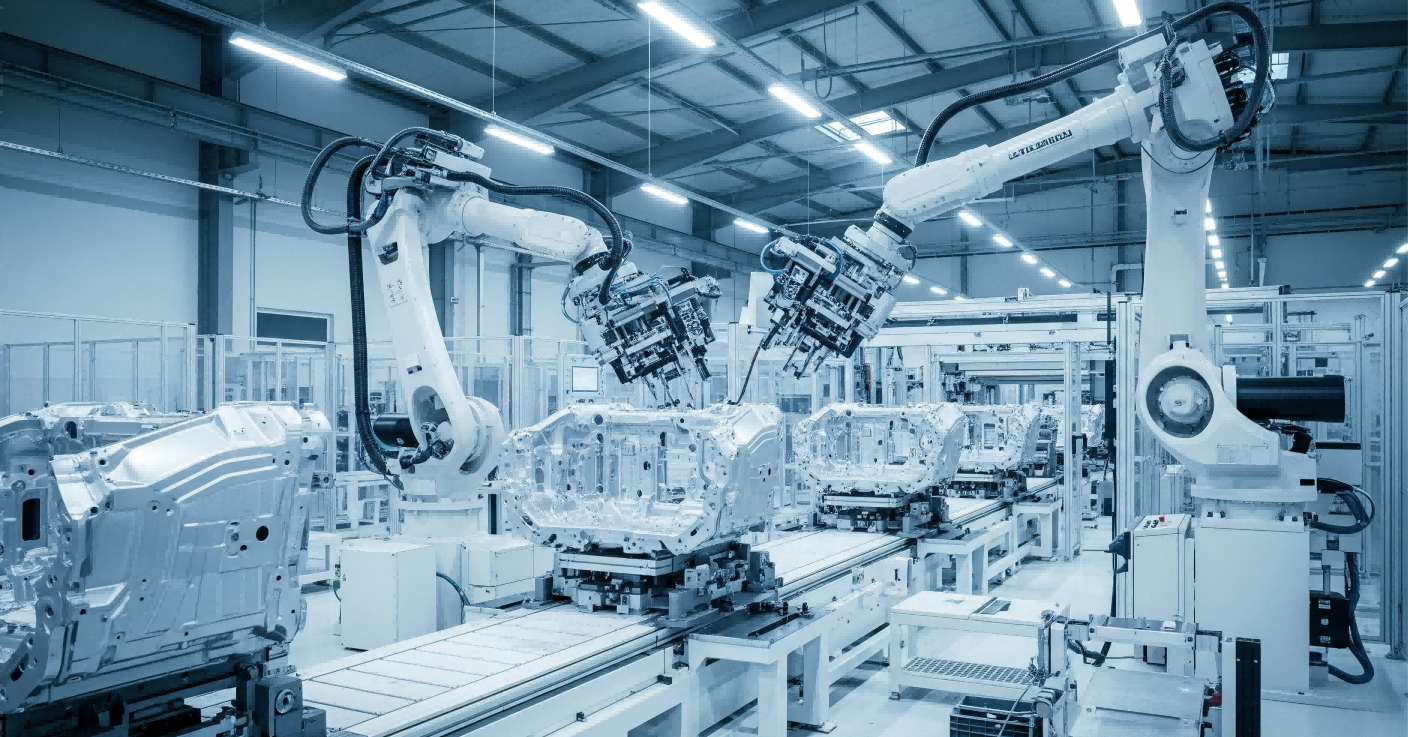
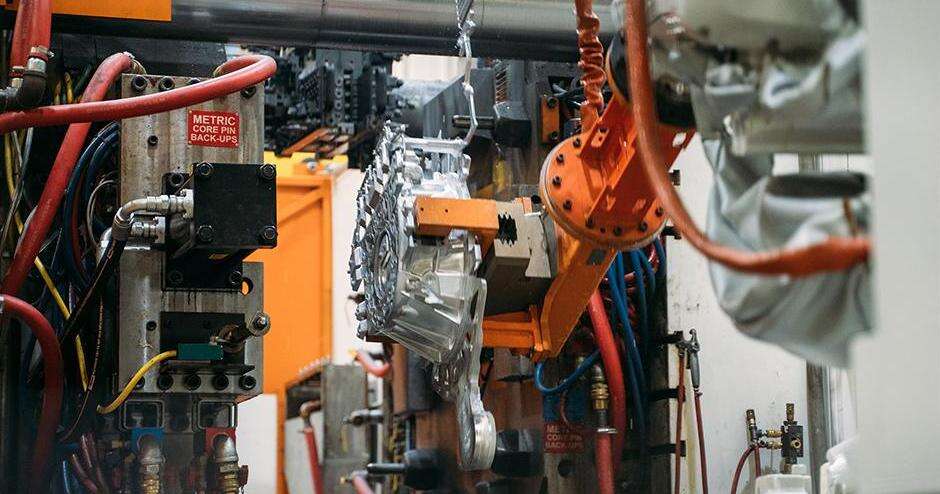
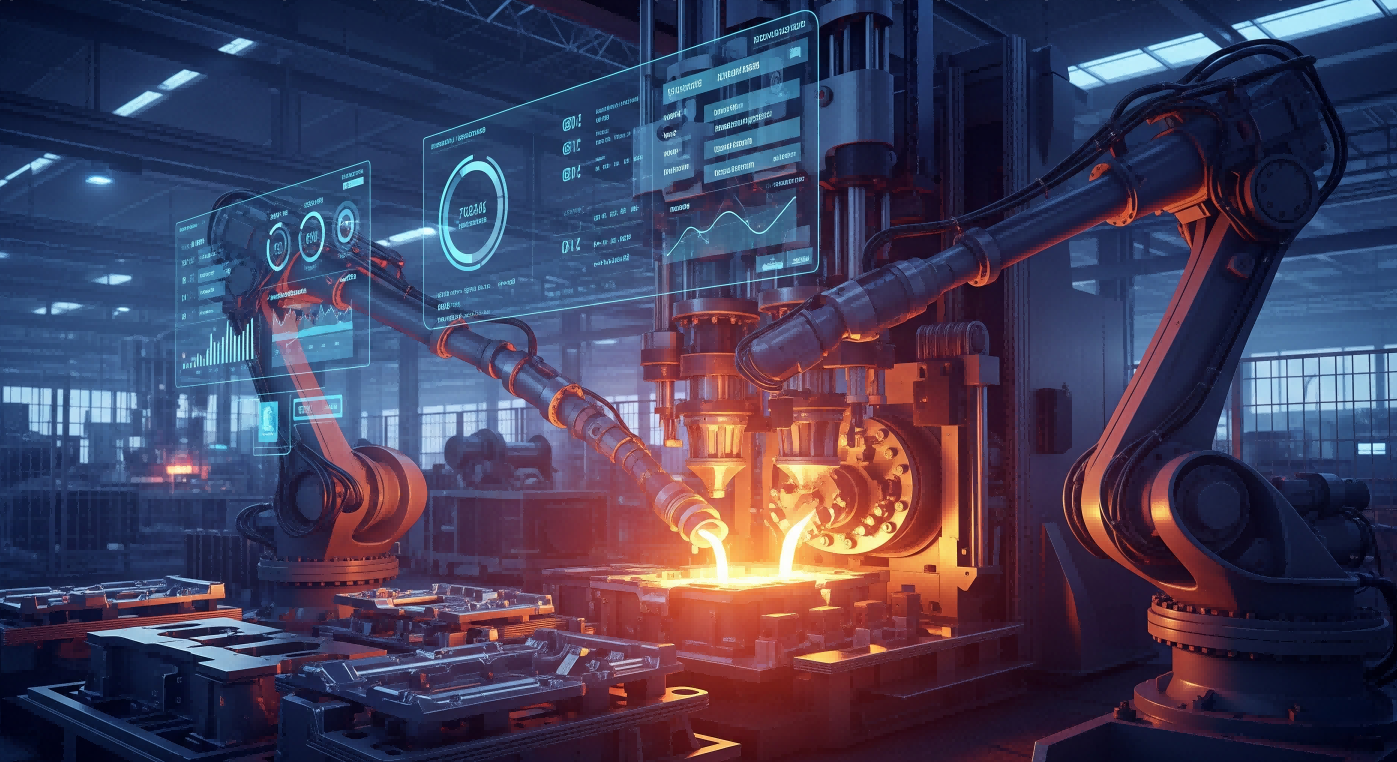
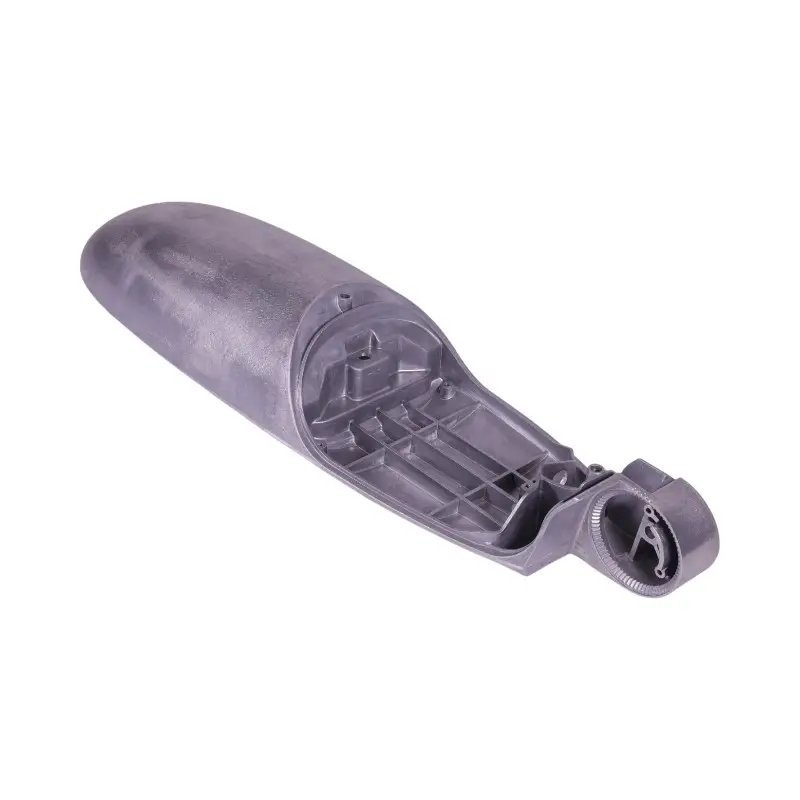
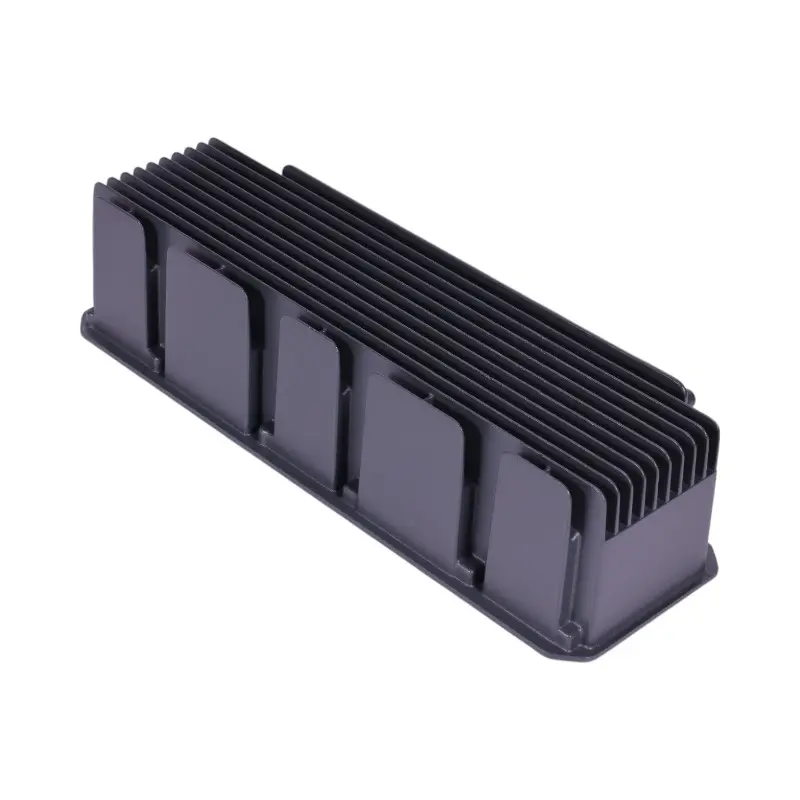
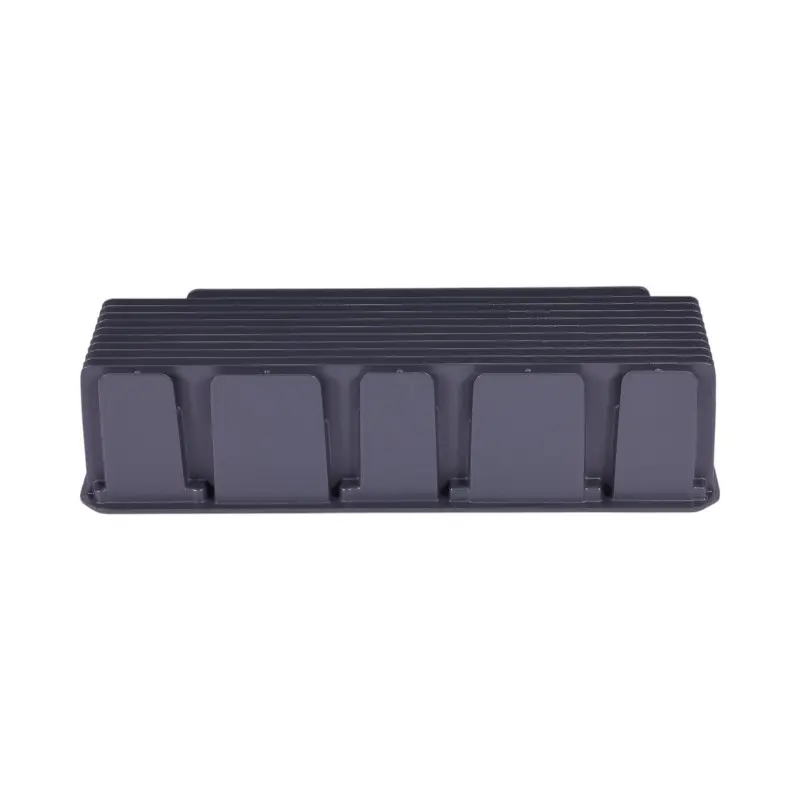
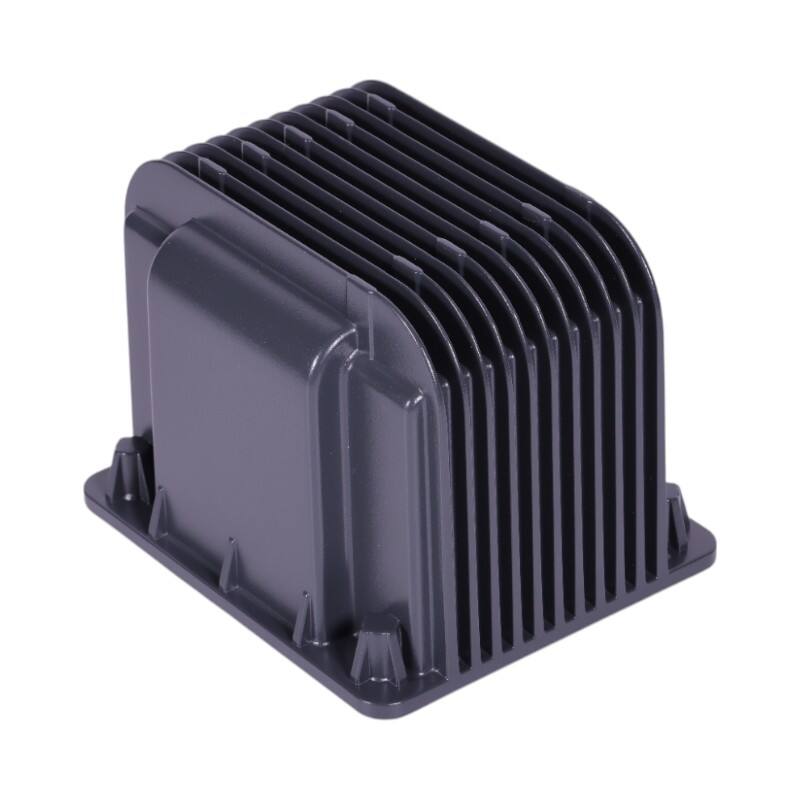
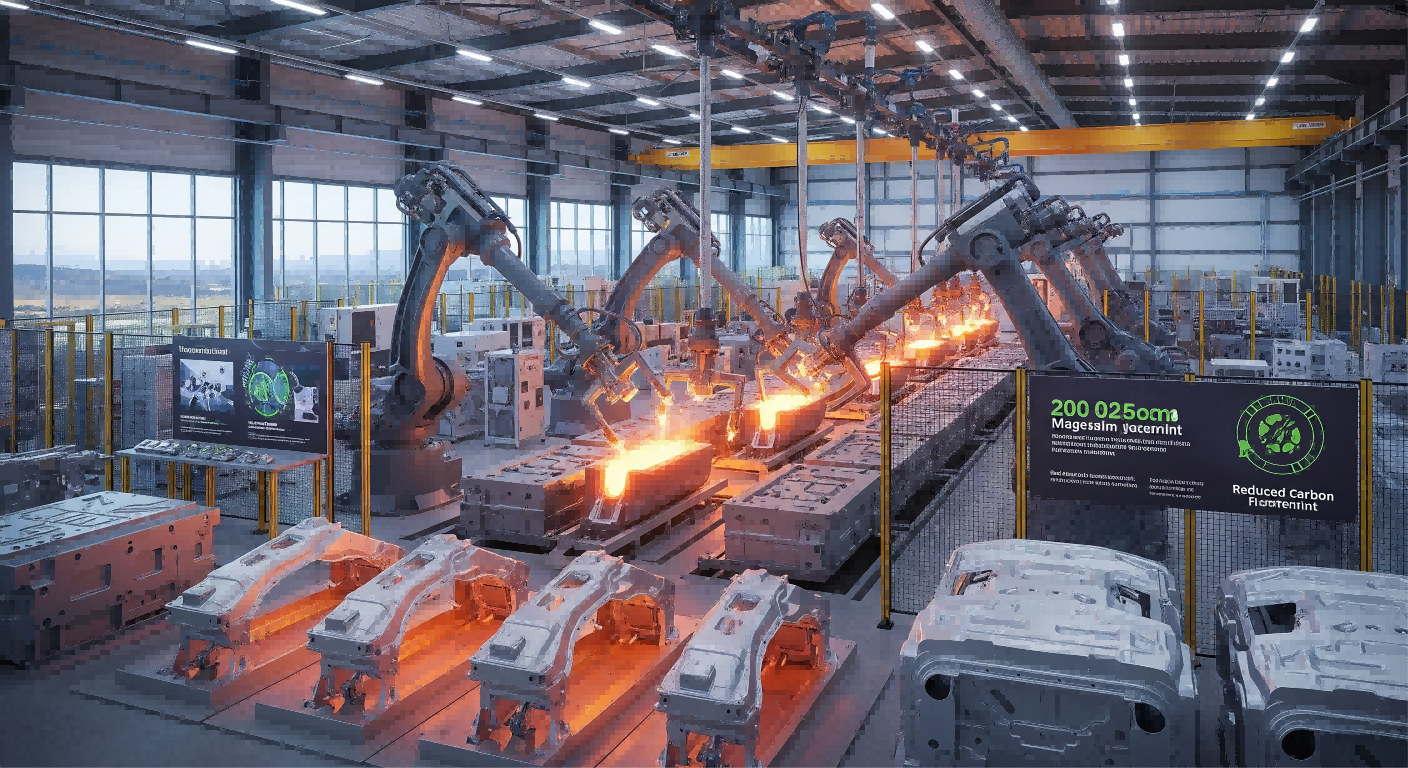
In the realm of aluminum die casting, Sino Die Casting has embraced the use of industrial robots to revolutionize the manufacturing process. Aluminum die casting is a complex and precise operation that requires high levels of accuracy and consistency. Industrial robots for aluminum die casting offer numerous benefits that enhance the overall efficiency and quality of production. One of the key advantages of using industrial robots in aluminum die casting is their ability to handle the heavy and repetitive tasks involved in the process. From loading and unloading the die - casting machines to removing the finished castings, robots can perform these operations quickly and without fatigue. This reduces the workload on human operators and minimizes the risk of injuries. Moreover, industrial robots can ensure precise control over the die - casting parameters. They can accurately measure and adjust the amount of molten aluminum injected into the mould, as well as control the cooling time and pressure. This level of precision results in high - quality aluminum die castings with minimal defects, such as porosity or shrinkage. At Sino Die Casting, we have invested in state - of - the - art industrial robots specifically designed for aluminum die casting applications. Our robots are equipped with advanced sensors and control systems that allow for real - time monitoring and adjustment of the production process. We also have a team of skilled technicians who are trained to program and maintain these robots, ensuring their optimal performance. The use of industrial robots for aluminum die casting has enabled us to increase our production capacity while maintaining consistent quality. Our aluminum die castings are widely used in various industries, including automotive, new energy, and telecommunications. By leveraging the power of industrial robots, we are able to meet the growing demand for high - quality aluminum die castings in the global market and position ourselves as a leader in the industry.

Frequently Asked Questions

How do you ensure consistency across large batches of industrial robot parts?

We use automated CNC machining centers with real-time quality monitoring, paired with statistical process control (SPC). Each component undergoes 3D scanning and dimensional checks, ensuring less than 0.01% variation across batches—critical for maintaining uniform performance in fleets of industrial robots.

Related Articles

Automation in the Automotive Industry: Die Casting's Role

03

Jul

Automation in the Automotive Industry: Die Casting's Role

The Shift to Automated Die Casting in Automotive Manufacturing Traditional Stamping vs. Modern Die Casting Stamping Parts The traditional mold is the foundation of automotive production, as it has been a stable method of forming vehicle parts f...
View More
Aluminum Die Casting vs. Zinc Die Casting: Which Is Better?

16

Jul

Aluminum Die Casting vs. Zinc Die Casting: Which Is Better?

Aluminum vs. Zinc Die Casting: Core Differences Fundamental Process Characteristics In general, when producing an aluminum die-casting, molten aluminum is ejected into a mold under high pressure. This process promotes a shorter cycle time and th...
View More
Top 10 Innovative Die Casting Applications in 2025

16

Jul

Top 10 Innovative Die Casting Applications in 2025

Automotive Innovations Driving Die Casting Demand in 2025 EV Battery Housings and Motor Casings Electric vehicles are becoming increasingly popular, and this trend is driving significant demand for die cast components, especially when it comes to m...
View More
Die Casting vs CNC Machining: Which is Better for Your Project?

18

Jul

Die Casting vs CNC Machining: Which is Better for Your Project?

Understanding Die Casting and CNC Machining Processes Fundamentals of Die Casting: Mold-Based Production Die casting remains one of the most important ways manufacturers create parts by pushing molten metal into molds using high pressure. Two main ...
View More

customer evaluation

Alexander
Game-Changing Precision for Our Collaborative Robots

Our collaborative robots require ultra-precise joints to ensure safety around humans. Sino Die Casting’s components delivered perfect accuracy—no jitter, no misalignment. Their team even optimized the design to reduce weight, improving our robot’s agility. A top partner!

Get a Free Quote

Our representative will contact you soon.
Email
Mobile/WhatsApp
Name
Company Name
Message
0/1000
Integration with Industrial Robot IoT & Sensing Systems

Integration with Industrial Robot IoT & Sensing Systems

Our components can be designed to accommodate sensors, wiring, and IoT modules—critical for smart industrial robots. We add precision channels for cables, mounting points for sensors, and hollowed structures to reduce interference, enabling seamless integration with your robot’s control systems.
Cost-Effective Solutions for Industrial Robot Manufacturers

Cost-Effective Solutions for Industrial Robot Manufacturers

We optimize material usage and production processes to reduce component costs by 15–20% without compromising quality. For high-volume orders, our economies of scale and waste-reduction techniques pass savings directly to you, lowering your overall industrial robot production costs.
Compliance with Global Industrial Robot Safety Standards

Compliance with Global Industrial Robot Safety Standards

Our components meet ISO 10218 (robot safety), ISO/TS 15066 (collaborative robots), and CE requirements. We provide material certificates, dimensional reports, and performance test data to ensure your industrial robots comply with regional regulations, simplifying your market entry.