Industrial Robots for Die Casting Molds | Precision Components

Get a Free Quote

Our representative will contact you soon.
Email
Mobile/WhatsApp
Name
Company Name
Attachment
Please upload at least an attachment
Up to 3 files,more 30mb,suppor jpg、jpeg、png、pdf、doc、docx、xls、xlsx、csv、txt、stp、step、igs、x_t、dxf、prt、sldprt、sat、rar、zip
Message
0/1000

Sino Die Casting – Specialized in Industrial Robot Components

Founded in 2008 and based in Shenzhen, China, Sino Die Casting is a high-tech enterprise integrating design, processing, and production. We specialize in manufacturing high-precision components for industrial robots through mould manufacturing, die casting, CNC machining, and custom part production. Serving the robotics industry among others, our products are exported to over 50 countries and regions. With ISO 9001 certification, we provide solutions from rapid prototyping to mass production, making us your flexible and reliable partner for industrial robot components.
Get A Quote

The Edge of Sino Die Casting in Industrial Robot Components

Lightweight yet Durable Materials for Industrial Robots

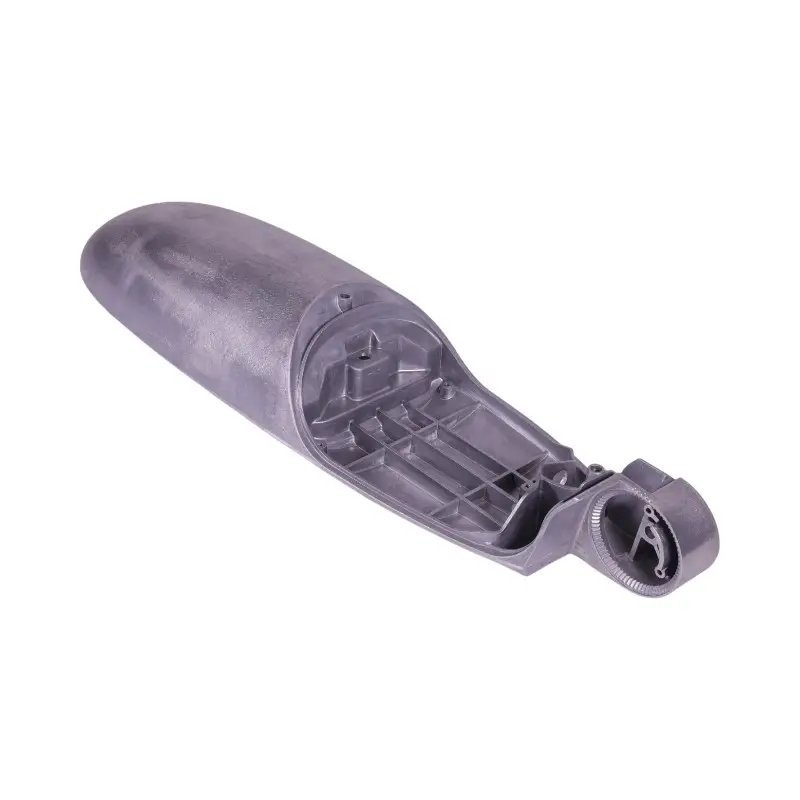
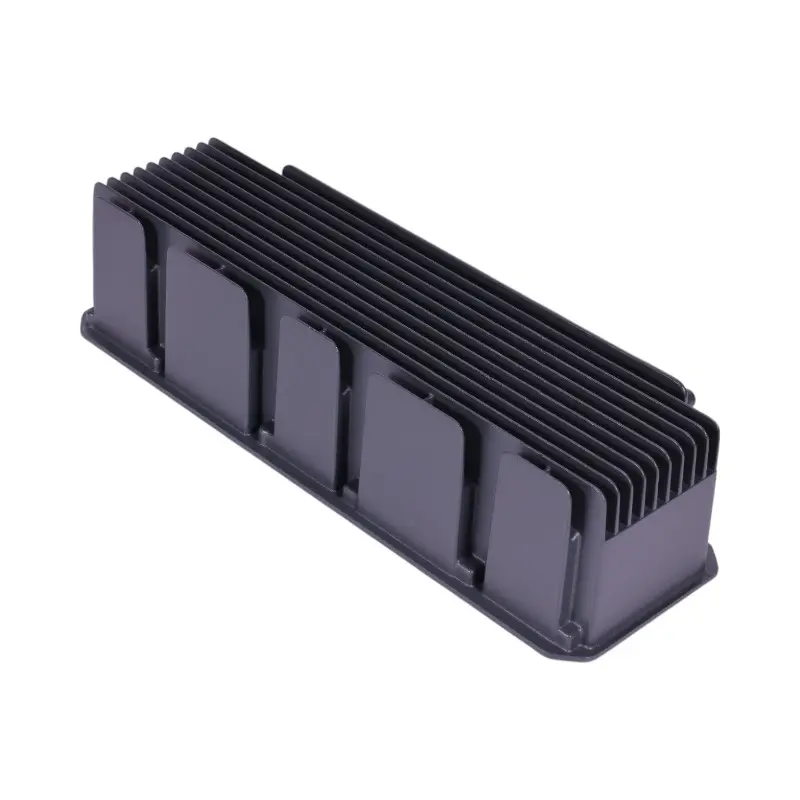
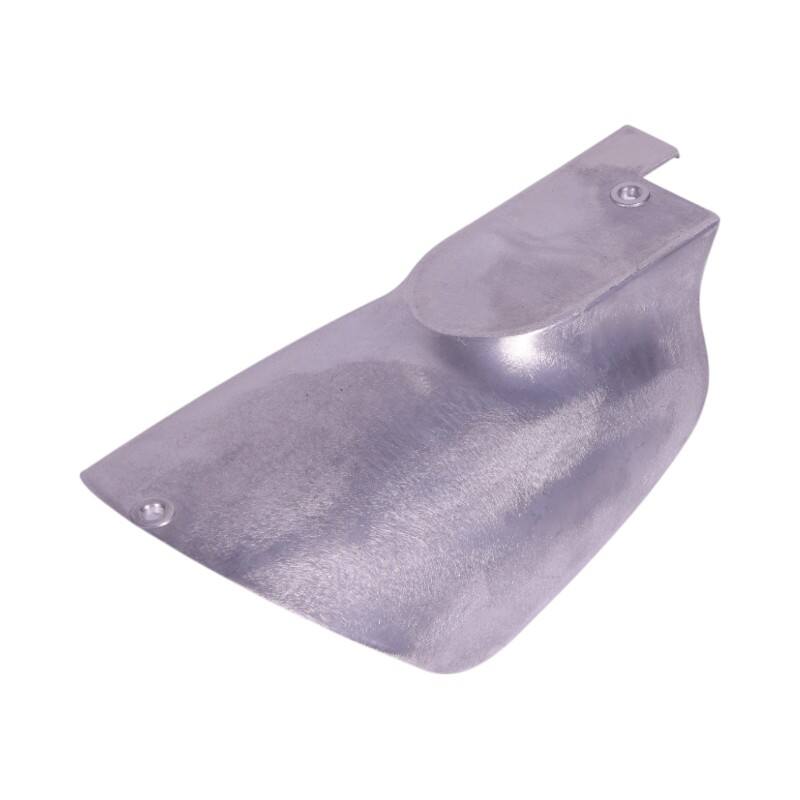
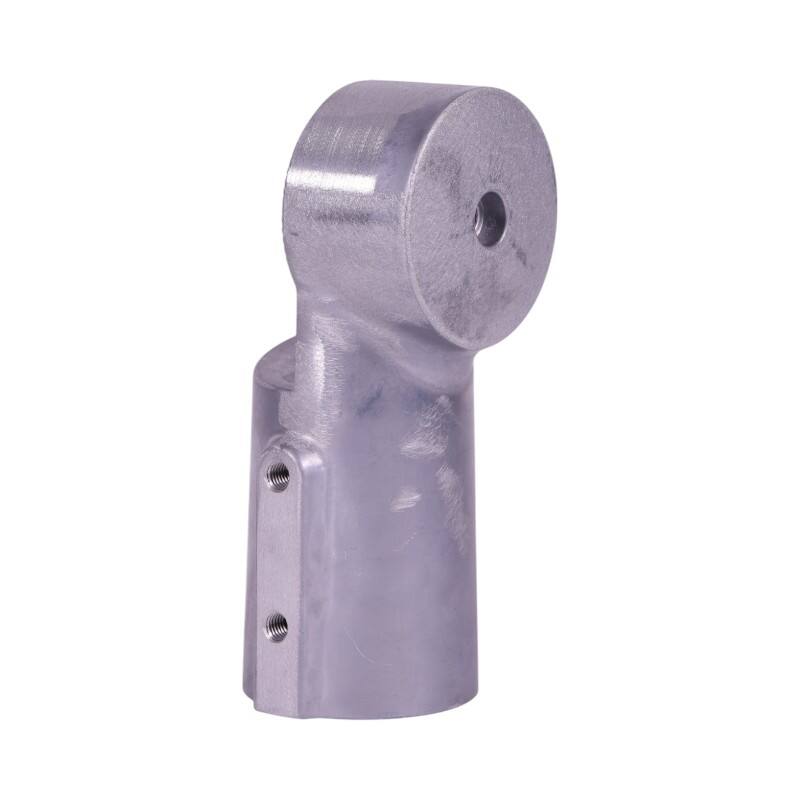
We focus on materials that balance lightweight properties with high strength—critical for industrial robots needing agility and load-bearing capacity. Our aluminum alloy components reduce robot weight by up to 30% compared to steel alternatives, while retaining durability to withstand 24/7 operational demands.

Related products

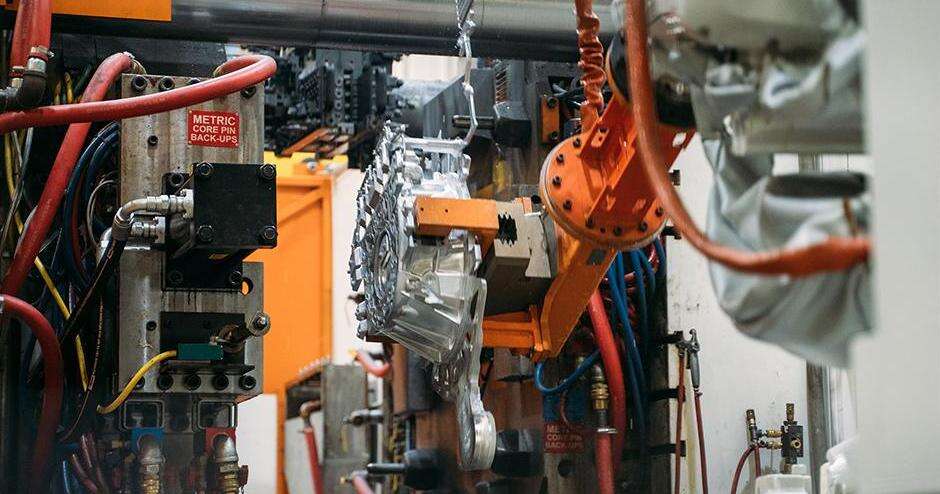
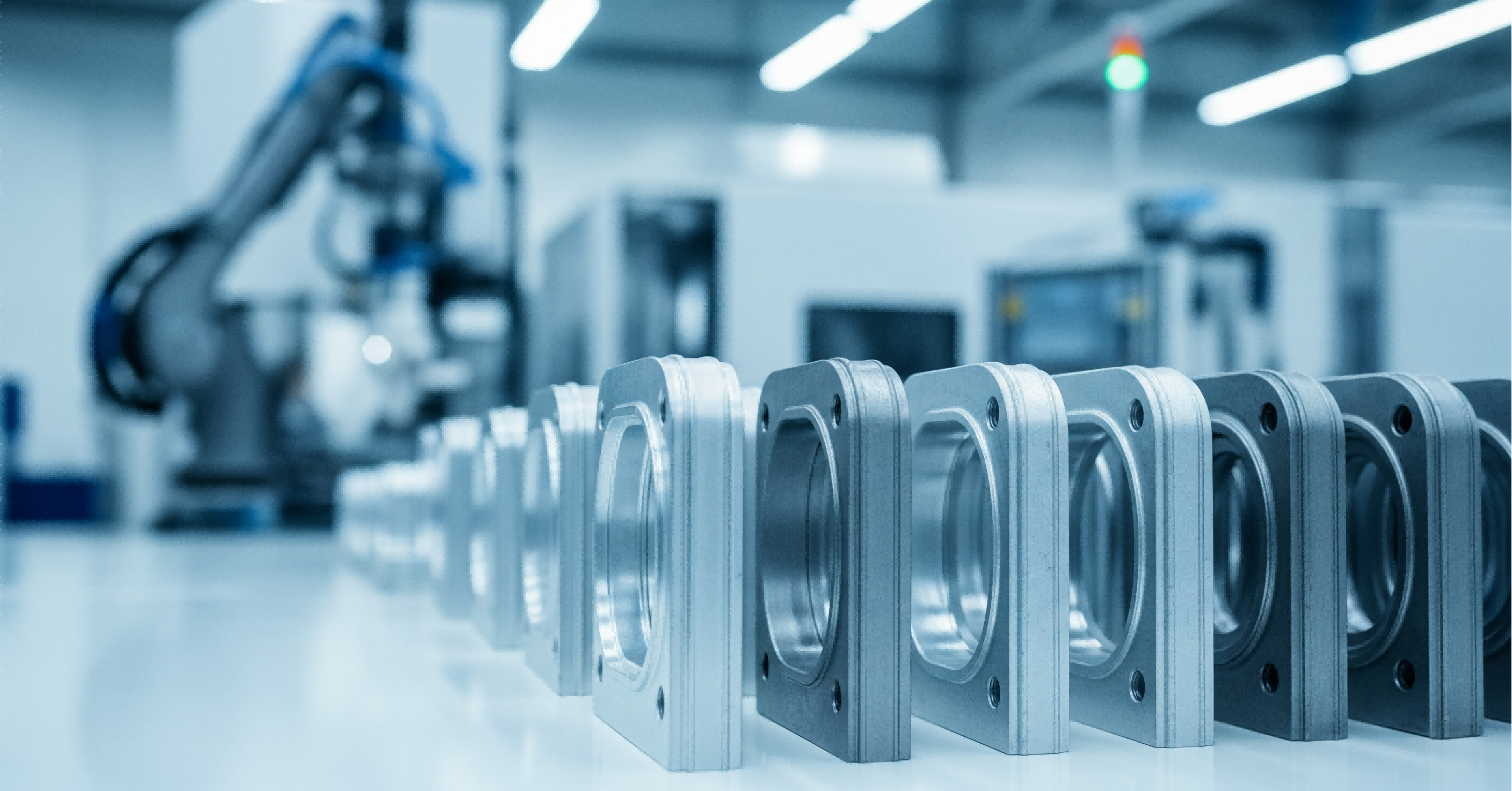
Industrial robots revolutionize die casting mold manufacturing by enhancing precision, efficiency, and consistency in high-volume production environments. At Sino Die Casting, a high-tech enterprise founded in 2008 and based in Shenzhen, China, we integrate advanced robotic systems into our mold-making processes to deliver superior results for industries like automotive, new energy, robotics, and telecommunications. Our expertise in high-precision mold manufacturing leverages robots for tasks such as core setting, injection control, and quality inspection, reducing human error and cycle times by up to 50%. With ISO 9001 certification, we ensure that every mold meets stringent global standards, supporting rapid prototyping to mass production for clients in over 50 countries. Robots enable us to handle complex geometries and tight tolerances, minimizing defects and optimizing material usage for magnesium, aluminum, and zinc alloys. Partner with us for cost-effective, reliable solutions that boost your productivity—contact Sino Die Casting today to explore how our robotic innovations can elevate your die casting projects.

Frequently Asked Questions

What materials are best for industrial robot components, and do you use them?

The best materials for industrial robot components are aluminum alloys (lightweight, strong), stainless steel (corrosion-resistant), and magnesium alloys (high strength-to-weight ratio). We work with all these materials, selecting the optimal one based on your robot’s load, environment, and movement requirements.

Related Articles

Aluminum Die Casting vs. Zinc Die Casting: Which Is Better?

16

Jul

Aluminum Die Casting vs. Zinc Die Casting: Which Is Better?

Aluminum vs. Zinc Die Casting: Core Differences Fundamental Process Characteristics In general, when producing an aluminum die-casting, molten aluminum is ejected into a mold under high pressure. This process promotes a shorter cycle time and th...
View More
Top 10 Innovative Die Casting Applications in 2025

16

Jul

Top 10 Innovative Die Casting Applications in 2025

Automotive Innovations Driving Die Casting Demand in 2025 EV Battery Housings and Motor Casings Electric vehicles are becoming increasingly popular, and this trend is driving significant demand for die cast components, especially when it comes to m...
View More
The Ultimate Guide to Reducing Die Casting Defects

18

Jul

The Ultimate Guide to Reducing Die Casting Defects

Understanding Common Die Casting Defects Porosity: Causes and Impact on Part Integrity In die casting, porosity shows up as tiny voids or holes inside the casting material, usually because of trapped air or other gases getting stuck during the proc...
View More
How Precision Die Casting Drives Automotive Success

18

Jul

How Precision Die Casting Drives Automotive Success

Precision Die Casting Fundamentals Core Principles of Automotive Die Casting Getting things right matters a lot in car manufacturing, and die casting stands out as one of those key processes that makes quality parts possible. Basically, what happen...
View More

customer evaluation

Clark
Consistent Quality Across 50,000+ Industrial Robot Components

As we scaled our industrial robot production, consistency was key. Sino Die Casting’s 50,000+ components for our articulated robots had zero defects—each part fit like the first. Their SPC system and communication kept us confident throughout the process.

Get a Free Quote

Our representative will contact you soon.
Email
Mobile/WhatsApp
Name
Company Name
Message
0/1000
Integration with Industrial Robot IoT & Sensing Systems

Integration with Industrial Robot IoT & Sensing Systems

Our components can be designed to accommodate sensors, wiring, and IoT modules—critical for smart industrial robots. We add precision channels for cables, mounting points for sensors, and hollowed structures to reduce interference, enabling seamless integration with your robot’s control systems.
Cost-Effective Solutions for Industrial Robot Manufacturers

Cost-Effective Solutions for Industrial Robot Manufacturers

We optimize material usage and production processes to reduce component costs by 15–20% without compromising quality. For high-volume orders, our economies of scale and waste-reduction techniques pass savings directly to you, lowering your overall industrial robot production costs.
Compliance with Global Industrial Robot Safety Standards

Compliance with Global Industrial Robot Safety Standards

Our components meet ISO 10218 (robot safety), ISO/TS 15066 (collaborative robots), and CE requirements. We provide material certificates, dimensional reports, and performance test data to ensure your industrial robots comply with regional regulations, simplifying your market entry.