PV Inverter Parts Manufacturer | Precision Die-Casting & CNC

Get a Free Quote

Our representative will contact you soon.
Email
Mobile/WhatsApp
Name
Company Name
Attachment
Please upload at least an attachment
Up to 3 files,more 30mb,suppor jpg、jpeg、png、pdf、doc、docx、xls、xlsx、csv、txt、stp、step、igs、x_t、dxf、prt、sldprt、sat、rar、zip
Message
0/1000

Sino Die Casting: Precision Manufacturer of PV Inverter Parts

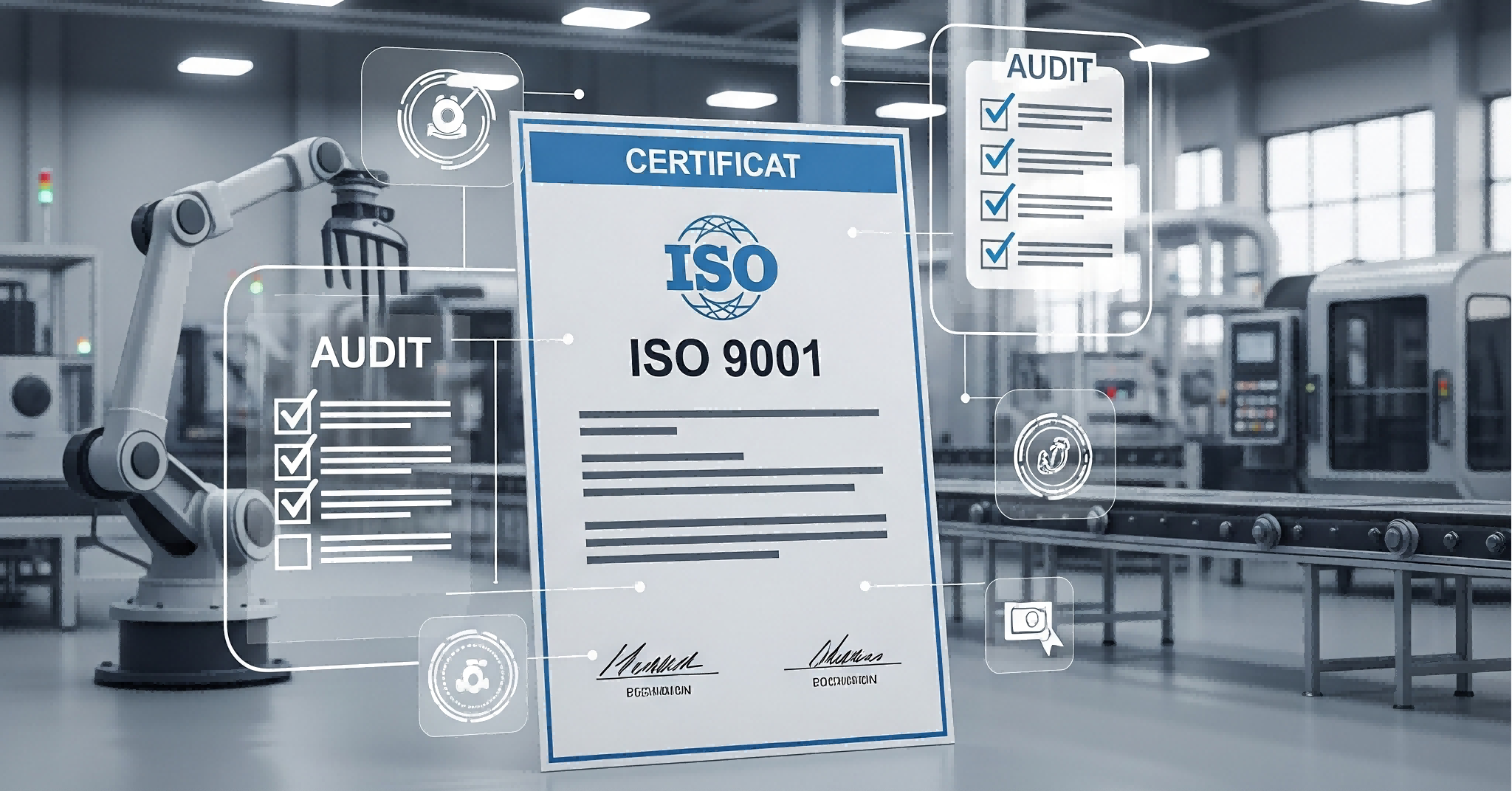
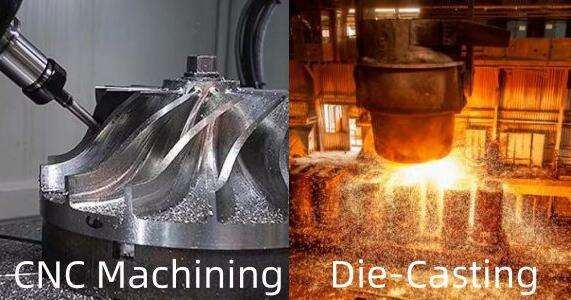
Sino Die Casting is a leading Shenzhen-based manufacturer specializing in high-precision die-cast and machined components for PV inverters. With over 17 years of expertise, we serve global clients in the renewable energy sector, delivering durable, heat-resistant parts that meet stringent industry standards. Our ISO 9001 and IATF 16949-certified facilities integrate advanced die-casting machines, CNC machining centers, and automated finishing lines to ensure end-to-end quality control. From prototype development to mass production, we optimize designs for efficiency, thermal management, and cost-effectiveness, supporting applications in residential, commercial, and utility-scale solar systems. Trusted by top brands like Huawei and Sungrow, we combine cutting-edge technology with eco-friendly practices to accelerate your transition to sustainable energy solutions.
Get A Quote


Engineering Excellence for PV Inverter Component Reliability

Material Innovation & Thermal Performance Optimization

PV inverter parts operate under extreme thermal stress, requiring materials that balance conductivity, corrosion resistance, and durability. We collaborate with clients to select alloys like aluminum ADC12 or magnesium AZ91D, which offer superior thermal dissipation (up to 200°C) and lightweight properties (density 2.7g/cm³ for aluminum). Our die-casting process incorporates advanced cooling channel designs to minimize hotspots, ensuring components maintain stability during peak solar irradiance. For heat sinks and housing units, we apply surface treatments like anodizing or powder coating to enhance heat reflection and UV resistance, extending part lifespan by 30% compared to untreated alternatives.

Agile Production & Global Compliance

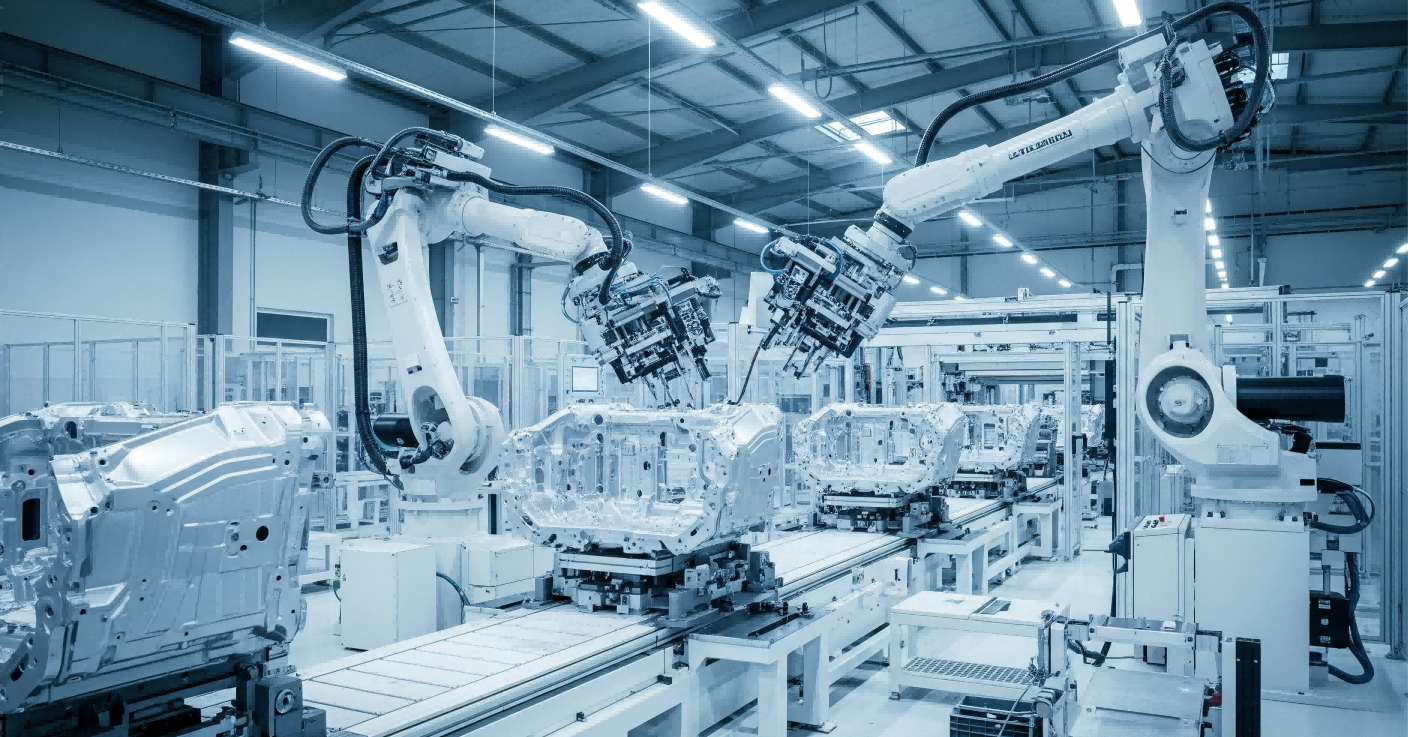
From 1,000-unit prototypes to 500,000-unit annual orders, our scalable production model adapts to your project timeline. Our 12,000㎡ facility houses 88T–1350T die-casting machines and 3- to 5-axis CNC centers, enabling rapid tooling adjustments and precision machining (tolerances ±0.05mm). We adhere to IEC 62109 and UL 1741 standards, with in-house testing labs conducting salt spray, thermal cycling, and dielectric strength tests to validate performance. Real-time SPC monitoring and automated quality checks reduce defect rates below 0.3%, while our global logistics network ensures on-time delivery to 50+ countries, including expedited shipping for urgent projects.

Related products

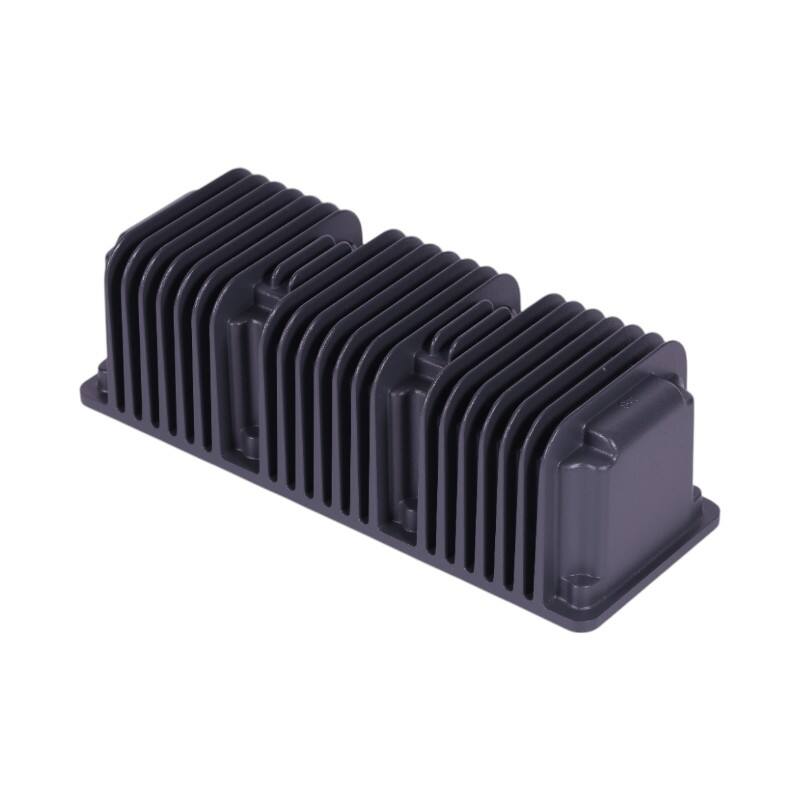
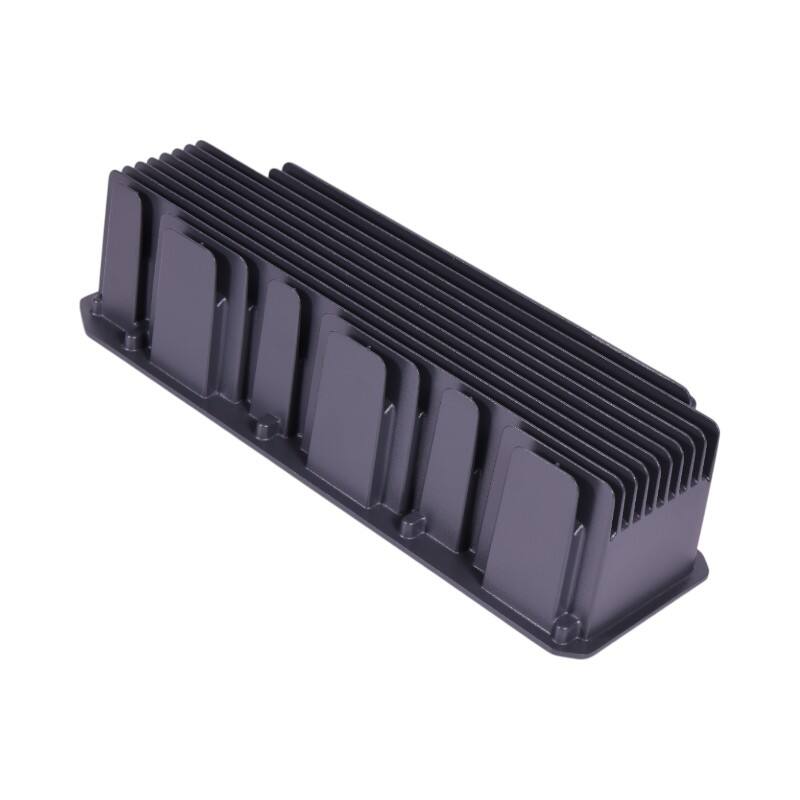
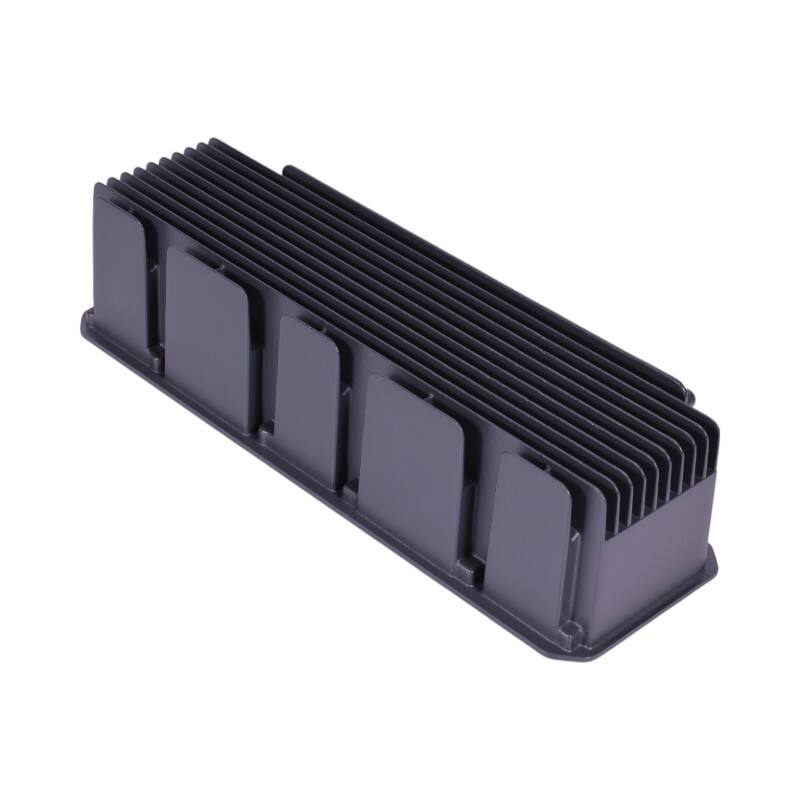
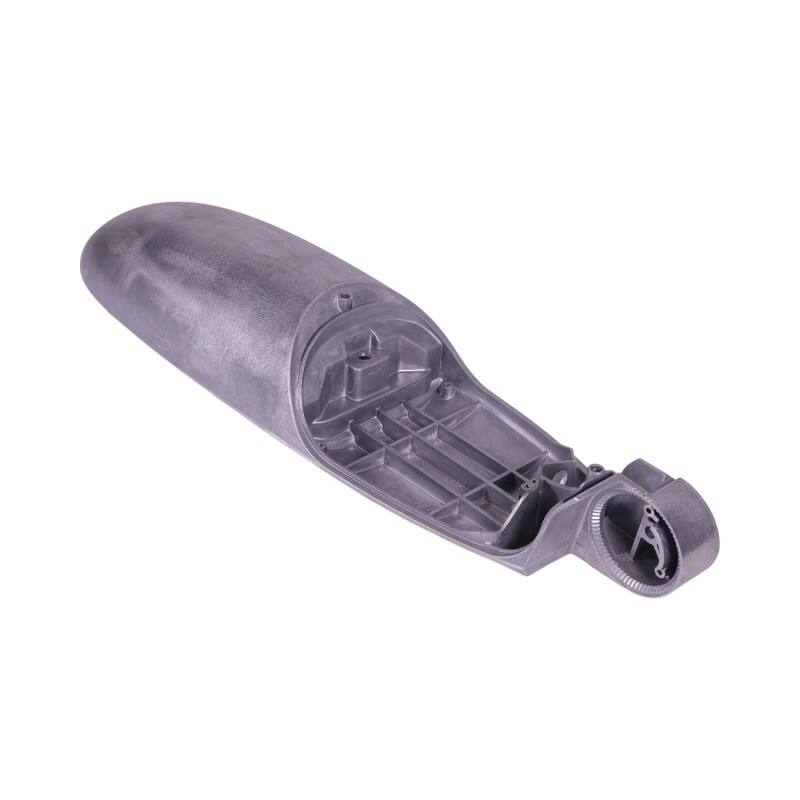
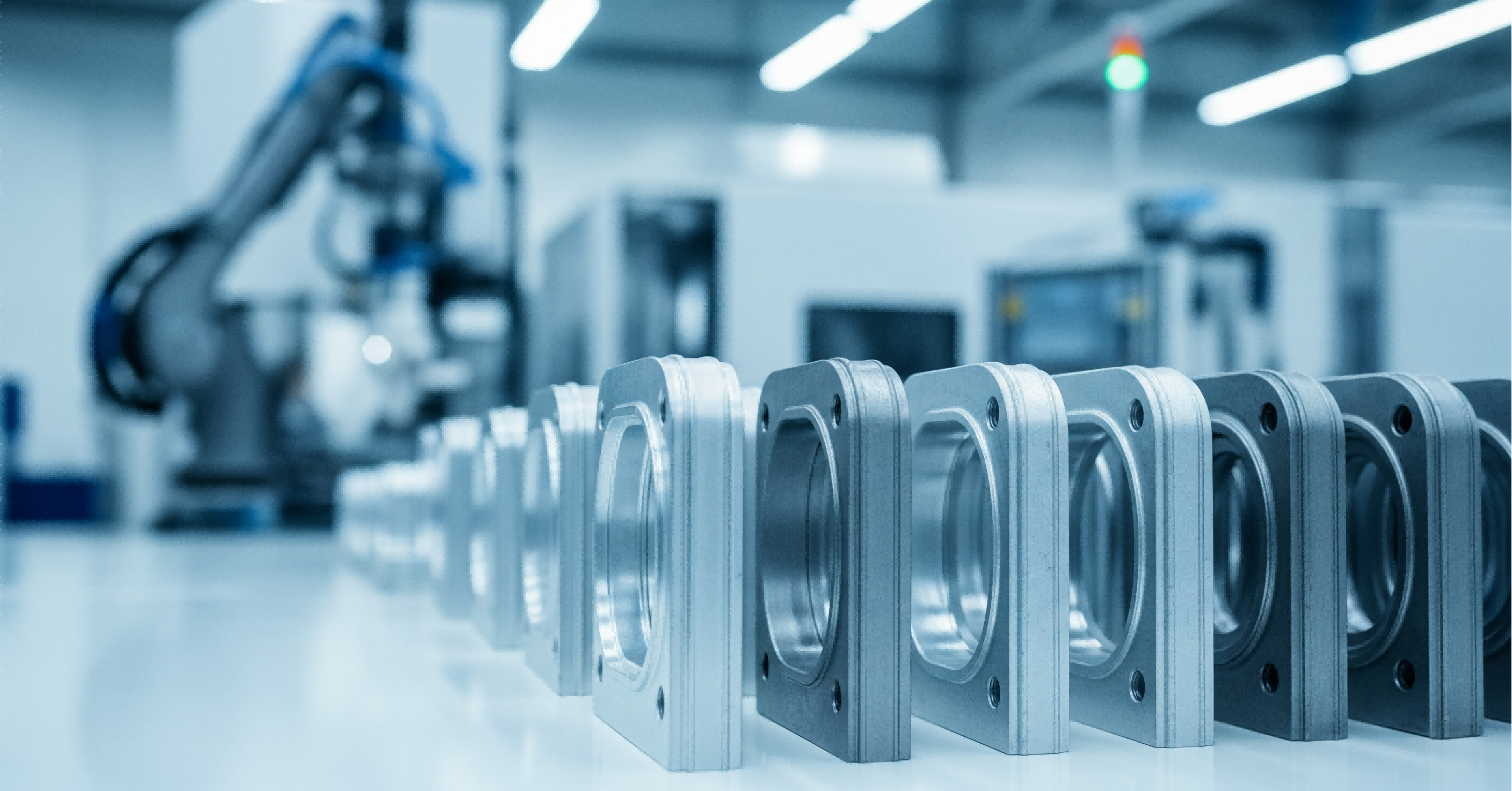
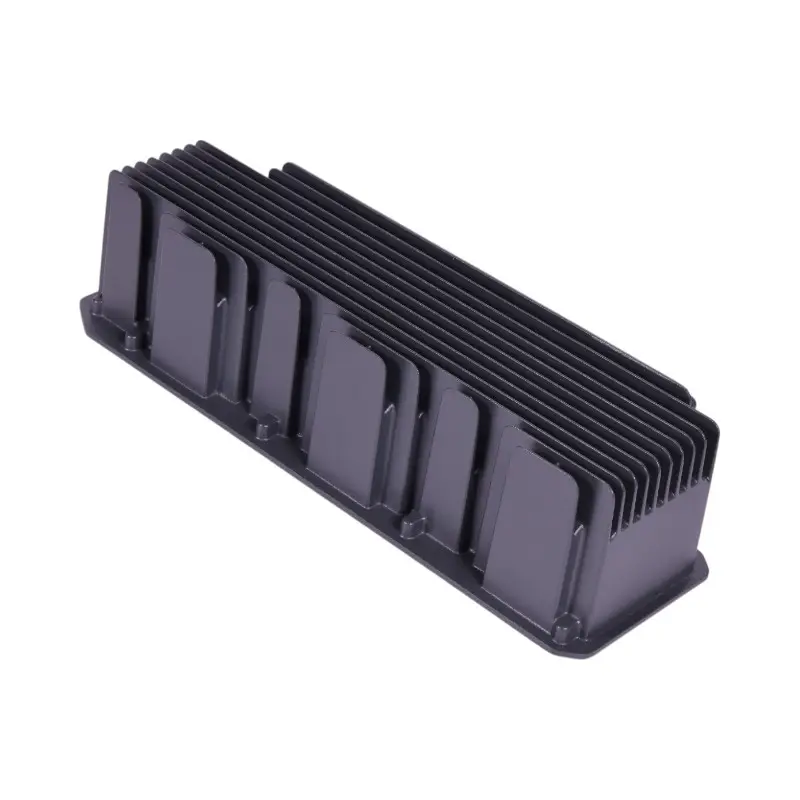
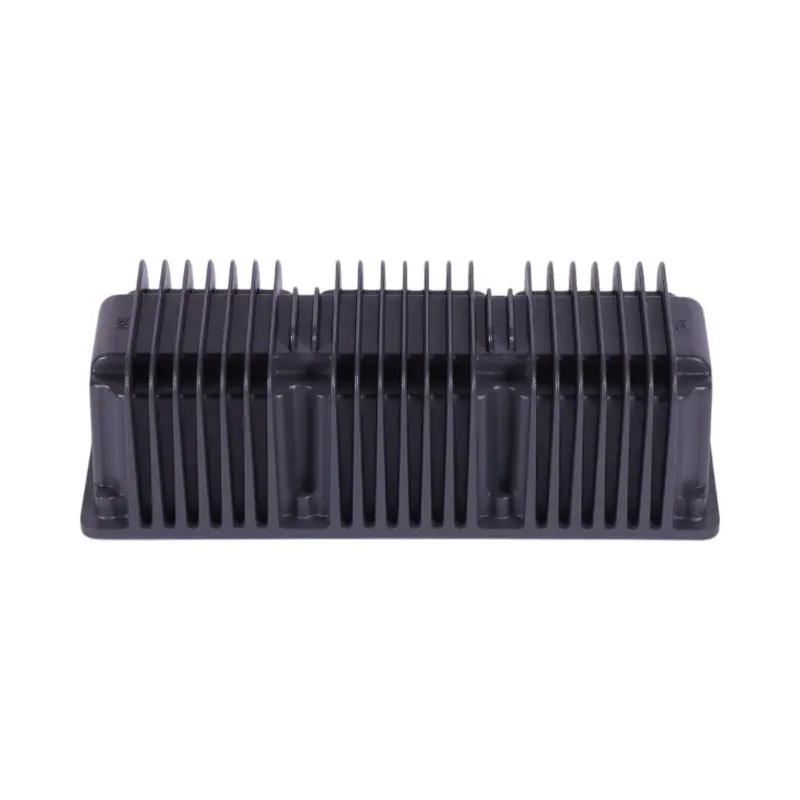
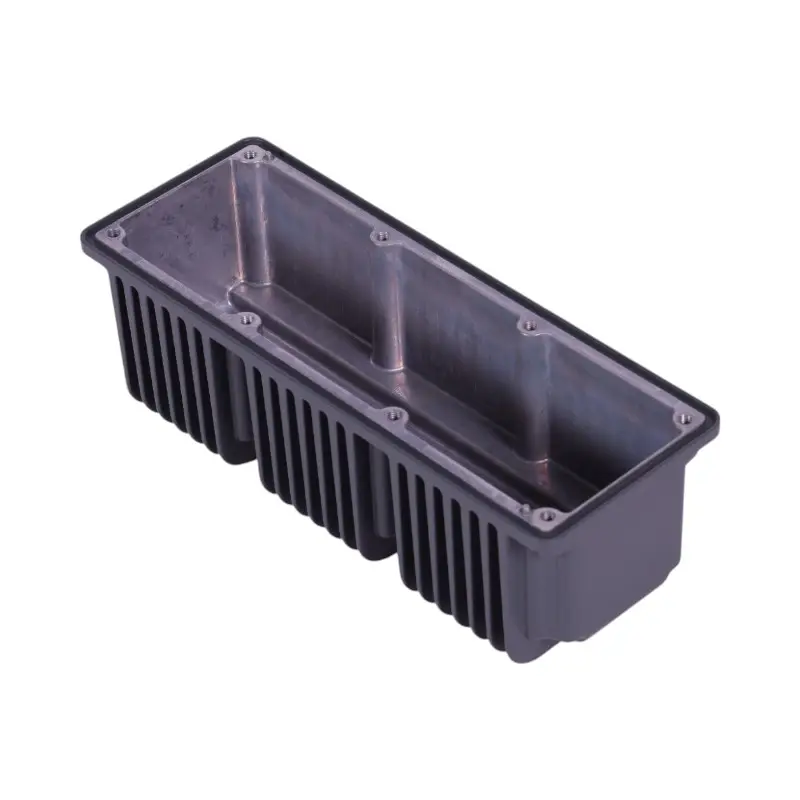
PV inverter parts are critical to converting solar-generated DC power into usable AC electricity, demanding components that balance efficiency, durability, and thermal management. At Sino Die Casting, we specialize in producing die-cast and machined parts tailored to the unique demands of PV inverters, including housing units, heat sinks, busbars, and connector brackets. Our engineering team collaborates closely with clients to optimize designs for material selection, structural integrity, and manufacturing feasibility. For housing units, we use aluminum ADC12 or magnesium AZ91D alloys, which offer high thermal conductivity (180–220 W/m·K) to dissipate heat generated by power electronics, preventing thermal runaway and ensuring stable operation in temperatures ranging from -40°C to 85°C. Die-casting these components allows for complex geometries, such as integrated cooling fins or cable management channels, reducing assembly time and material waste. Heat sinks, critical for maintaining inverter efficiency, are precision-machined to maximize surface area and airflow, with fin thicknesses as low as 0.5mm to enhance heat exchange. We apply surface treatments like anodizing (Type III, 25μm thickness) to improve corrosion resistance and UV stability, extending part lifespan in outdoor environments. Busbars, responsible for conducting high currents between inverter stages, are manufactured using high-purity copper (99.99%) or aluminum alloys, with CNC machining ensuring flatness deviations below 0.02mm to minimize electrical resistance. For connector brackets, we prioritize materials with high tensile strength (≥280 MPa) and flame retardancy (UL94 V-0 rating) to meet safety standards. Our quality control process includes dimensional inspection via CMM, thermal imaging analysis, and dielectric strength testing (≥2,500V AC) to verify compliance with IEC 62109 and UL 1741. By integrating DFM principles early in the design phase, we reduce tooling revisions by 40% and production costs by 25%, while our automated finishing lines apply coatings like epoxy powder or nickel plating to enhance aesthetics and environmental resistance. Whether you require components for residential string inverters or utility-scale central inverters, our scalable facilities and global logistics network ensure consistent quality and rapid delivery.

Frequently Asked Questions

What materials are best suited for PV inverter heat sinks?

Aluminum alloys (e.g., ADC12, 6063-T5) are ideal for PV inverter heat sinks due to their high thermal conductivity (180–220 W/m·K), lightweight nature (density 2.7g/cm³), and cost-effectiveness. These alloys balance heat dissipation with structural strength, enabling thin-walled designs (0.5–2mm fin thickness) that maximize surface area for airflow. For applications requiring higher corrosion resistance, such as coastal installations, we recommend anodized aluminum (Type III, 25μm thickness), which forms a protective oxide layer that resists salt spray and UV degradation. Copper, while offering superior thermal conductivity (401 W/m·K), is less commonly used for heat sinks due to its higher cost and weight, though it may be selected for busbars or high-current connectors where conductivity is critical.
We adhere to IEC 62109 (safety of PV inverters) and UL 1741 (inverter standards for North America) through rigorous testing protocols. Each component undergoes dielectric strength testing (≥2,500V AC for 1 minute) to verify insulation integrity, salt spray trials (500+ hours) to assess corrosion resistance, and thermal cycling (-40°C to 85°C) to simulate outdoor operation. Our in-house lab uses CMM for dimensional validation (tolerances ±0.05mm) and spectral analyzers to confirm material composition (e.g., 99.99% purity for copper busbars). We also conduct flame retardancy tests (UL94 V-0 rating) for plastic connectors and housing units, ensuring compliance with fire safety regulations.

Related Articles

The Significance of ISO 9001 in Die Casting Industry

03

Jul

The Significance of ISO 9001 in Die Casting Industry

Fundamentals of ISO 9001 in Die Casting What Is the ISO 9001 Certification? ISO 9001 certification stands as one of those international standards everyone knows about when talking about quality management systems (QMS). What ...
View More
Automation in the Automotive Industry: Die Casting's Role

03

Jul

Automation in the Automotive Industry: Die Casting's Role

The Shift to Automated Die Casting in Automotive Manufacturing Traditional Stamping vs. Modern Die Casting Stamping Parts The traditional mold is the foundation of automotive production, as it has been a stable method of forming vehicle parts f...
View More
Aluminum Die Casting vs. Zinc Die Casting: Which Is Better?

16

Jul

Aluminum Die Casting vs. Zinc Die Casting: Which Is Better?

Aluminum vs. Zinc Die Casting: Core Differences Fundamental Process Characteristics In general, when producing an aluminum die-casting, molten aluminum is ejected into a mold under high pressure. This process promotes a shorter cycle time and th...
View More
Die Casting vs CNC Machining: Which is Better for Your Project?

18

Jul

Die Casting vs CNC Machining: Which is Better for Your Project?

Understanding Die Casting and CNC Machining Processes Fundamentals of Die Casting: Mold-Based Production Die casting remains one of the most important ways manufacturers create parts by pushing molten metal into molds using high pressure. Two main ...
View More

customer evaluation

Hailey
High-Precision Components for Utility-Scale Inverters

Sino Die Casting delivered aluminum heat sinks for our 1MW central inverters with exceptional precision. Their team optimized the fin design to improve airflow by 15%, reducing thermal resistance (Rθ) from 0.12°C/W to 0.09°C/W. The parts arrived with flawless anodized finishes, passing 1,000-hour salt spray tests without corrosion. Their proactive communication and flexible production schedule helped us meet a tight project deadline, and their competitive pricing allowed us to scale production without exceeding budget. We highly recommend their services for large-scale solar projects.

Brianna
Reliable Partner for Residential Inverter Housing

We partnered with Sino Die Casting for magnesium housing units for our 5kW residential inverters and were impressed by their attention to detail. The die-cast parts featured integrated cable glands and mounting brackets, reducing assembly steps by 30%. Their powder coating process provided excellent UV resistance, with no fading after 2 years of outdoor exposure. The team’s DFM feedback helped us redesign the housing to cut material costs by 18% while maintaining IP65 waterproof ratings. Their responsiveness and quality consistency make them our go-to supplier for solar components.

Get a Free Quote

Our representative will contact you soon.
Email
Mobile/WhatsApp
Name
Company Name
Attachment
Please upload at least an attachment
Up to 3 files,more 30mb,suppor jpg、jpeg、png、pdf、doc、docx、xls、xlsx、csv、txt
Message
0/1000
Specialized Expertise in New Energy Applications

Specialized Expertise in New Energy Applications

With extensive experience in the new energy sector, we possess in-depth knowledge of the unique requirements of PV inverter components. Our team understands the critical role these parts play in energy conversion and system reliability, allowing us to develop solutions that align with the evolving needs of solar energy technology.
Why Choose Us & Welcome Contact

Why Choose Us & Welcome Contact

Sino Die Casting combines technical precision, material expertise, and customer-focused service to deliver PV inverter parts that exceed industry expectations. With 17+ years of experience in renewable energy manufacturing, we understand the critical role each component plays in system efficiency and reliability. Our vertically integrated facilities enable rapid prototyping, scalable production, and end-to-end quality control, reducing lead times and supply chain risks. Whether you need custom solutions for cutting-edge inverter designs or cost-optimized parts for high-volume projects, our team is dedicated to transforming your requirements into high-performance products. Contact us today to discuss your PV inverter component needs and discover how we can help you accelerate your solar energy initiatives.
Advanced Manufacturing for Energy Efficiency

Advanced Manufacturing for Energy Efficiency

Our advanced die casting and CNC machining technologies enable the production of components with optimized designs, such as heat sinks that enhance thermal management in PV inverters. This focus on energy efficiency helps our clients create inverters that maximize power output and minimize energy loss, a key advantage in the renewable energy market.