 ×
×

Feb 28,2026
ဇင့်ကွန်ကရစ်ဖော်မင်း (Zinc die casting) သည် ပုံစံရှုပ်ထွေးမှုများနှင့် တိကျသော အရွယ်အစားအကွာအဝေးများရှိသော သေးငယ်သော သို့မဟုတ် အရွယ်အစားများကို အများအားဖြင့် ထုတ်လုပ်ရန်အတွက် အမြင့်ဆုံးဖိအားဖြင့် သံမဏိကို ပုံသေးသေးလုပ်သည့် လုပ်စဉ်ဖြစ်သည်။ ဤလုပ်စဉ်တွင် ပူပွန်းသော ဇင့်အသေးစိတ် (Zamak သို့မဟုတ် ZA အမျိုးအစားများ) ကို အဖိအား ၃၀–၁၅၀ MPa အထိ ဖိအားဖြင့် သံမဏိဖော်မ်များထဲသို့ ထည့်သွင်းပေးပါသည်။ ထိုသို့ဖြင့် အချိန်တိုအတွင်း ဖော်မ်အတွင်းသို့ ပြည့်စေပြီး သံမဏိဖွဲ့စည်းမှုကို တူညီစေသည်။
အပေါ်ယံအပူချိန် ၄၁၉°C (၇၈၆°F) ဖြင့် အပူချိန်နိမ့်ပါးမှု၊ အလွန်ကောင်းမွန်သော စီးဆင်းမှုနှင့် အများအားဖြင့် အချိန်တိုအတွင်း အရွယ်အစားလျော့နည်းမှု (~၀.၆%) တို့ကြောင့် ဇင့်အသေးစိတ်များသည် တိကျသော ကွန်ကရစ်ဖော်မင်းလုပ်ငန်းများအတွက် အထူးသင့်တော်ပါသည်။ ဤလုပ်စဉ်ဖြင့် အထူ ၀.၆–၃.၀ mm အထိ ပါးသော အစိတ်အပိုင်းများကို ထုတ်လုပ်နိုင်ပြီး အရွယ်အစားအတိအကျမှုနှင့် မျက်နှာပြင်အရည်အသွေးကို မှုန်းမှုန်းမှုများမှ ထိန်းသိမ်းနိုင်ပါသည်။ ဤအရည်အသွေးများကြောင့် ဇင့်ကွန်ကရစ်ဖော်မင်းကို အလုပ်သမ်ဗာ စနစ်များ၊ အီလက်ထရွန်နစ်ပစ္စည်းများ၊ အဆောက်အဦးပစ္စည်းများ၊ စက်မှုပစ္စည်းများနှင့် စားသုံးသူပစ္စည်းများတွင် အသုံးများပါသည်။
အလူမီနီယမ် (၆၆၀ စင်တီဂရီဒီဂရီစီ) ထက် ပိုမိုနိမ့်သော ပူပေါင်းခြင်းအပူချိန်ကြောင့် ပုံသေးစက်မှုပေါ်တွင် အပူဖောက်ပေါက်မှုသည် သိသိသာသာ လျော့နည်းသည်။ သင့်လျော်စွာ ဒီဇိုင်းရေးဆွဲထားသော ပုံသေးစက်များသည် အများအားဖြင့် ထုတ်လုပ်မှု စက်ခုန်အကြိမ်ရေ ၅၀၀,၀၀၀ မှ ၁,၀၀၀,၀၀၀ အထိ ကျော်လွန်နိုင်ပြီး အထုတ်အစက်များမှု အများအပြားရှိသော ထုတ်လုပ်မှုတွင် ပုံသေးစက်မှု စုစုပေါင်းစရိတ် ဖြေရှင်းမှုကို အထောက်အကူပုံစေသည်။
ဇင့်ကောင်ပေါ်နောက်ခံအစိတ်အပိုင်းများ၏ စွမ်းဆောင်ရည်သည် ပုံသောင်းဒီဇိုင်းနှင့် လုပ်ငန်းစဉ်ထိန်းချုပ်မှုအပေါ် အလွန်အမင်းမှီခိုနေပါသည်။ ပုံသောင်းများကို အမြဲတမ်းခိုင်မာသော ကိရိယာသံမှ ထုတ်လုပ်ပြီး အပူနှင့် မက်ကေးနီကယ်ဖိအားများကို ထပ်ခါထပ်ခါခံနိုင်ရန် အင်ဂျင်နီယာများက ဒီဇိုင်းထုတ်ထားပါသည်။
ထုတ်လုပ်မှုအတောအတွင် ပေါင်းစပ်မှုအရည်ပျော်နေသော သံမဏိပုံသောင်းအတွင်းသို့ အမြန်နှုန်းမြင့်မှုဖြင့် ဖိအားမြင့်မှုဖြင့် ထည့်သွင်းပါသည်။ အအေးခံထားသော သံမဏိပုံသောင်းအတွင်း အမြန်ခဲသွားမှုကြောင့် သိပ်သဲမှုမြင့်မှုရှိသော အဏုဇီဝဖွဲ့စည်းမှုနှင့် စံချိန်စံညွှန်းနှင့်ကိုက်ညီသော ယန္တရားဖွဲ့စည်းမှုများ ရရှိပါသည်။ ခဲသွားပြီးနောက် ပုံသောင်းကို ဖွင့်လေးပြီး အနောက်ခံအစိတ်အပိုင်းကို ဖုန်းထုတ်ပါသည်။
သဲပုံသောင်း (sand casting) သို့မဟုတ် ရှေးဟောင်းပုံသောင်း (investment casting) တွင် နှိုင်းယှဉ်ပါက အမြင့်ဖိအားဖြင့် ဇင့်ကောင်ပုံသောင်းများသည် အောက်ပါအချက်များကို ပေးစေပါသည်။
| ပစ္စည်းဥစ္စာ | ဇမက် ၃ | ဇမက် ၅ | ဇေးအေ-၈ |
|---|---|---|---|
| သိပ်သည်းမှု | 6.6 ဂရမ်/စင်တီမီတာ³ | 6.6 ဂရမ်/စင်တီမီတာ³ | 6.3 ဂရမ်/စင်တီမီတာ³ |
| ဆွဲဆန့်မှုအား | အနက်ရှို့သည့်အားခန့်မှန်းခြင်း ~280 MPa | အနက်ရှို့သည့်အားခန့်မှန်းခြင်း ~330 MPa | အနက်ရှို့သည့်အားခန့်မှန်းခြင်း ~390 MPa |
| ရလဒ်အား | အနက်ရှို့သည့်အားခန့်မှန်းခြင်း ~210 MPa | အနက်ရှို့သည့်အားခန့်မှန်းခြင်း ~260 MPa | အနက်ရှို့သည့်အားခန့်မှန်းခြင်း ~320 MPa |
| အလျားရှည်ခြင်း | ~10% | ~7% | ~3% |
| မာကျောမှု (HB) | 82 | 91 | 120 |
| အကြံပေးထားသော နံရံအထူ | 0.6–3.0 မီလီမီတာ | 0.6–3.0 မီလီမီတာ | ၁.၀–၄.၀ မီလီမီတာ |
| အသုံးများသော ကိရိယာသက်တမ်း | ၅၀၀,၀၀၀–၁,၀၀၀,၀၀၀ အထက် ပုံသေးခြင်းအကြိမ်ရေ | တူညီသော | အခြောက်အရာလျှင် နည်းသည် |
Zamak 3 သည် ၎င်း၏ ဟန်ချက်ညီသော အားကောင်းမှု၊ ပုံစောင်းနိုင်မှုနှင့် ဖောင်းပေါက်နိုင်မှုတို့ကြောင့် အသုံးများဆုံး အသေးစိတ်ဖော်ပေးထားသော အထူးသော သံမဏိအမျိုးအစားဖြစ်သည်။ Zamak 5 သည် ပိုမိုမြင့်မာသော အားကောင်းမှုကို ပေးစေပြီး ZA-8 သည် ပိုမိုကောင်းမွန်သော ပုံပေါက်မှုခံနိုင်ရည်နှင့် မာကြမ်းမှုကို ပေးစေသည်။
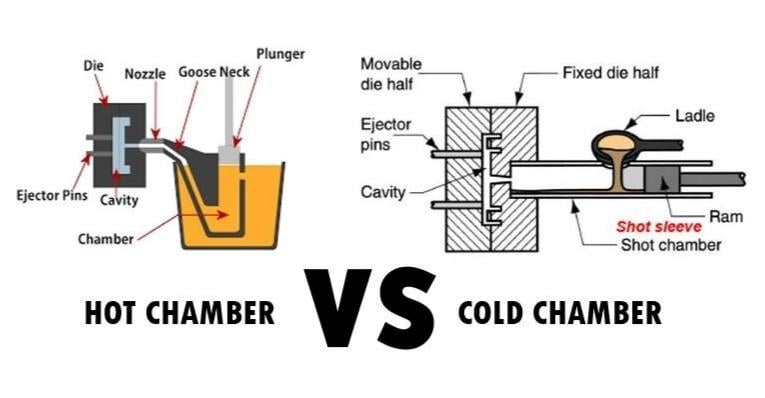
အဓိက လုပ်စဉ်အမျိုးအစားနှစ်မျိုးကို အသုံးပြုသည်။
နည်းလမ်းနှစ်မျိုးစလုံးသည် ထိန်းချုပ်ထားသော အချက်အလက်များအောက်တွင် ပုံသေးမှုအတွက် ဇင့်အထူးသော သံမဏိအမျိုးအစားကို တိကျသော သံမဏိအမျိုးအစားများထဲသို့ ထည့်သွင်းပေးခြင်းဖြစ်ပြီး အရည်အသွေးကို ထပ်ခါထပ်ခါ အတိအကျရရှိစေရန် ဖန်တီးပေးသည်။
လုပ်စဉ်ရွေးချယ်မှုသည် အောက်ပါအချက်များပေါ်တွင် မှီခိုသည်။
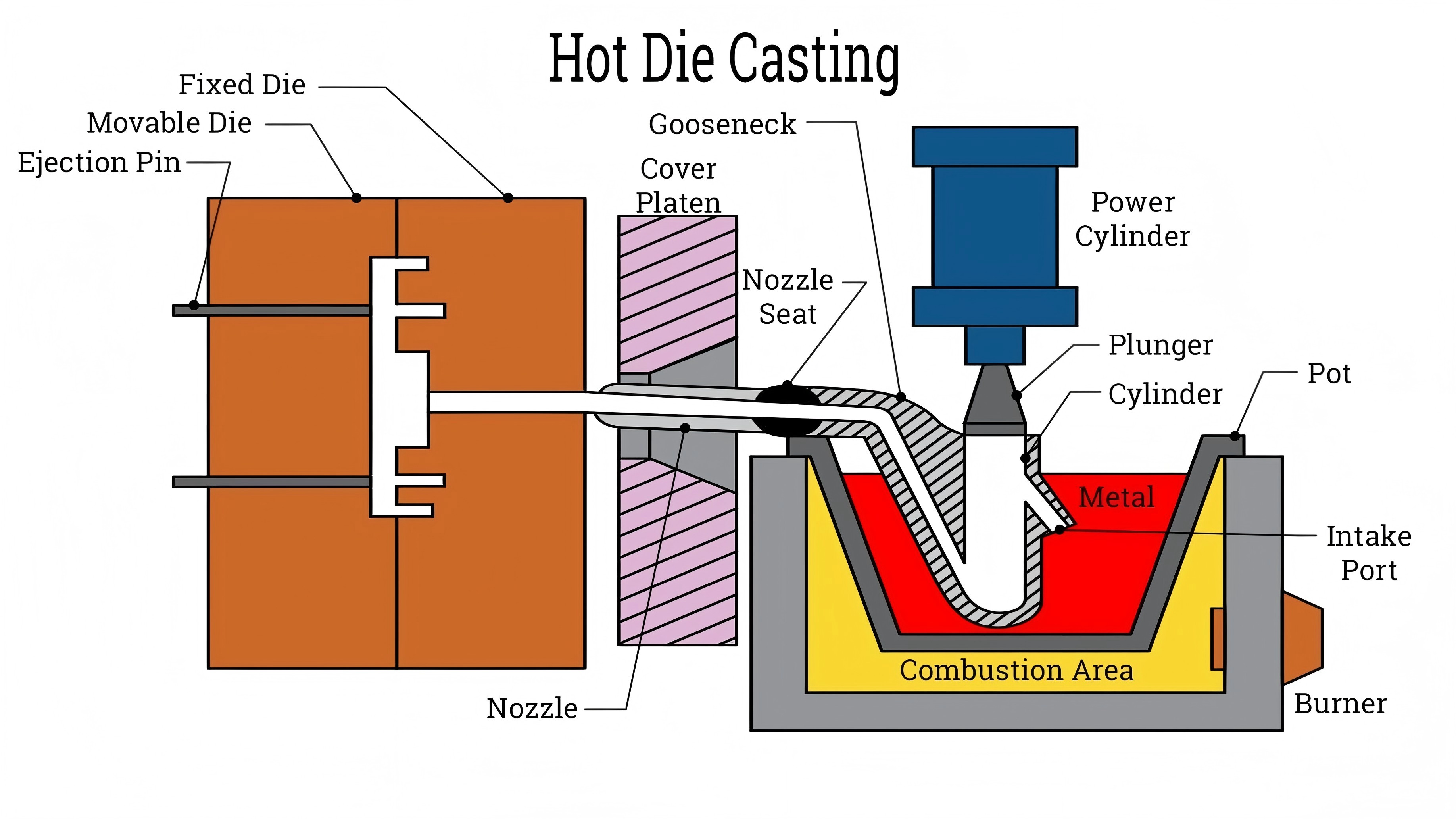
ဇင့်၏ အနိမ့်ဆုံး အရည်ပေါက်မှုအပူချိန်နှင့် အနိမ့်ဆုံး အရှိန်ဖောက်မှုဖြစ်စေသော ဂုဏ်သတ္တိများကြောင့် ပုံသေးမှုအတွက် အပူခန်းအတွင်း ဖောင်းပေါက်မှုသည် သာမောန် ဇင့်အထူးသော သံမဏိအမျိုးအစားများအတွက် အများဆုံးအသုံးပြုသော နည်းလမ်းဖြစ်သည်။
ဤစနစ်တွင် ထိုးသွင်းမှုပလန်ဂါကို ပေါင်းရည်အတွင်း နှိပ်ထည့်ထားပါသည်။ စနစ်ကို ဖွင့်လှစ်လျှင် ပလန်ဂါသည် ပေါင်းရည်ကို ဂူစ်နက်ခ်စနစ်မှတဆင့် သေးငယ်သော အခန်းအတွင်းသို့ ဖိသွင်းပေးပါသည်။
အများအားဖြင့် အောက်ပါ အင်္ဂါရပ်များရှိပါသည်။
အကောင်းများမှာ ထုတ်လုပ်မှု စွမ်းဆောင်ရည်မြင့်မားခြင်း၊ ပစ္စည်းအကုန်အကောက်နည်းပါသည်နှင့် ထုတ်လုပ်မှုအခြေအနေများ တည်ငြိမ်စေခြင်းတို့ဖြစ်ပါသည်။
အလူမီနီယမ်ပမာဏများပြားသော အသေးစိတ်အောက်စိုဒ်များ သို့မဟုတ် အကွက်ကြီးများအတွက် အအေးခန်း သေးငယ်သော အပိုင်းအစများကို အသုံးပြုပါသည်။
ပေါင်းရည်ကို သေးငယ်သော အပိုင်းအစအတွင်းသို့ ဖိသွင်းရန်မှတ်သားထားသော အပိုင်းအစအတွင်းသို့ လေးချိန်ခြင်းဖြင့် ထည့်သွင်းပါသည်။ စက်ဝိုင်းအချိန်များသည် အနည်းငယ် ပိုမောက်သော်လည်း ဤလုပ်ငန်းစဉ်သည် အသေးစိတ်အောက်စိုဒ်ရွေးချယ်မှုနှင့် အပိုင်းအစအရွယ်အစားတွင် ပိုမိုကျယ်ပေါင်းသော လွတ်လပ်မှုကို ပေးပါသည်။
အအေးခန်းသေးငယ်သော အပိုင်းအစများကို အသုံးပြုရန် သင့်တော်ပါသည်။
ဇင့်အသေးစိတ်အောက်စို့ဒ်များသည် အလွန်နိမ့်သော အကျုံ့နှုန်း (~၀.၆%) နှင့် အားကောင်းသော အရွယ်အစားတည်ငြိမ်မှုတွင် အသိအမှတ်ပုံဖော်ထားသည်။ အစိတ်အပိုင်းများသည် ရေရှည်တွင် မော်ကွန်းန်နှင့် စိတ်ဖောက်ပေါက်မှုများကို ခံနိုင်ရည်ရှိပြီး အခန်းအပူချိန်တွင် အလွန်နိမ့်သော ကရီပ်ဖြစ်မှုကို ထိန်းသိမ်းနိုင်သည်။
ထုတ်လုပ်မှုအတွက် အကောင်းမွန်ဆုံး အခြေအနေများအတွက်-
ဤလမ်းညွှန်များသည် ဖော်မော်လ်ဖြည့်သွင်းမှုကို တည်ငြိမ်စေခြင်း၊ အပေါက်များကို လျော့နည်းစေခြင်းနှင့် ထုတ်လုပ်မှုအထွေထွေအောင်မှုနှုန်းကို တည်ငြိမ်စေခြင်းတို့ကို အထောက်အကူပေးပါသည်။
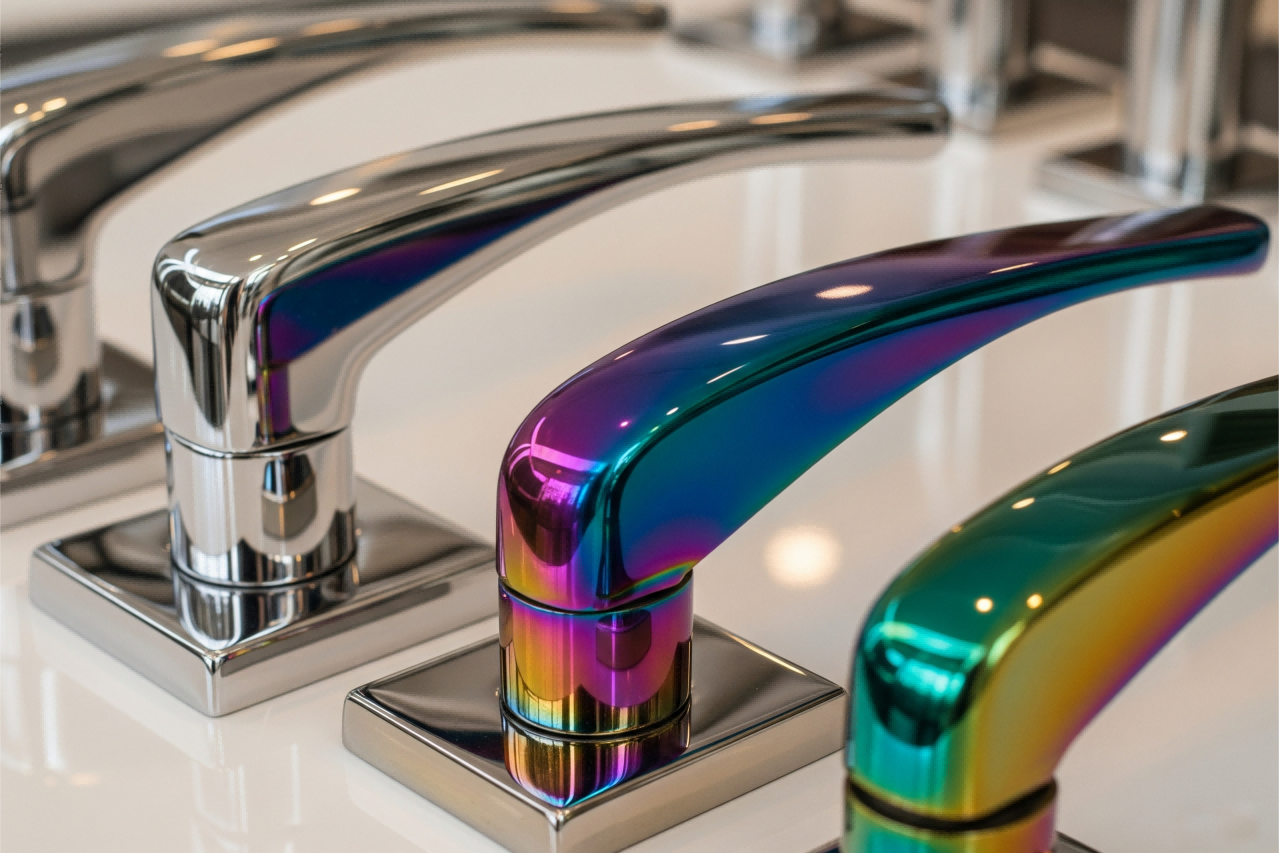
ဇင့်ဖော်မော်လ်များသည် အောက်ပါအတိုင်း အမျှတ်ရှိသည့် မျက်နှာပြင်များကို ပေးစေပါသည်။
မော်လ်မှတ်သမ်းထားသည့်အတိုင်း မျက်နှာပုံမျက်နှာပြင်၏ ချောမွေ့မှု (Ra) သည် ပုံမှန်အားဖြင့် ၀.၈–၁.၆ µm ရှိပြီး အဆင့်မှုန်းမှုလုပ်ငန်းများကို လျော့နည်းစေသည်။
လုပ်ငန်းစဉ်များကို ထိန်းချုပ်ထားသည်ဖြစ်သော်လည်း အချို့သော အကွက်များ ဖြစ်ပေါ်လာနိုင်သည်။
ဓာတ်ငွေစုပ်မှု သို့မဟုတ် ချုံ့မှုကြောင့် ဖြစ်ပေါ်သည်။
ကာကွယ်ရေးနည်းလမ်း- ဗာကျူမ်အကူအညီပေးခြင်း၊ ဂိတ်ဒီဇိုင်းကို အကောင်းဆုံးဖော်ထုတ်ခြင်း၊ အနားပိုင်းအထူများကို တစ်သေးတည်းဖော်ထုတ်ခြင်း။
သေးငယ်သော သံမဏိများ၏ ပေါင်းစည်းမှုမှုန်းမှု မပြည့်စုံခြင်း။
ကာကွယ်ရေးနည်းလမ်း- ထိုးသွင်းမှုအမြန်နှုန်းနှင့် အပူချိန်ညီမျှမှုကို ညှိပေးခြင်း။
အစိတ်အပိုင်းများ ပေါင်းစည်းသည့် အနားပိုင်းတွင် ပိုမိုသော ပစ္စည်းများ ပေါ်ပေါက်ခြင်း။
ကြိုးစားမှုအားကို ထိန်းသိမ်းခြင်းနှင့် ဒိုင်အား တည်မြောက်စေခြင်း။
အဆုံးသတ်ပေးရာတွင် ဓာတ်ငွေပေါ်လွဲခြင်း။
ဖြေရှင်းနည်း - လေထုလေးမှုနှင့် မျက်နှာပုံပြင်ဆင်မှုကို မြှင့်တင်ပေးခြင်း။
သင့်လျော်သော DFM ဆန်းစစ်မှုသည် အကွက်မှုနှုန်းကို သိသိသာသာ လျော့နည်းစေသည်။
ဇင့် ဒိုင်ကာစတင်းဖ်မှုသည် အောက်ပါအတိုင်း ပေးစေသည်။
သေးငယ်သောမှ အလတ်စားအထိ တိကျမှုရှိသော အစိတ်အပိုင်းများအတွက် သုတ်လျှင် အသုံးပြုသည့် အထူးကိရိယာများ ပိုမိုကြာရှည်ခြင်းနှင့် ဒုတိယအဆင့် စက်ဖြင့် ပြုပုတ်ခြင်းလျော့နည်းခြင်းတို့ကြောင့် စုစုပေါင်းထုတ်လုပ်မှုစရိတ်များသည် အလူမီနီယမ် အေးခဲမှုထုတ်လုပ်မှုထက် ၁၀–၃၀% အထိ နည်းနိုင်ပါသည်။
ဇင့်အေးခဲမှုကို အောက်ပါနေရာများတွင် အသုံးများပါသည်။
၎င်း၏ အရွယ်အစားတည်ငြိမ်မှုနှင့် မျက်နှာပုံအရည်အသွေးသည် အလိုအလျောက်စီမံခန့်ခွဲမှု စုစည်းခြင်းပတ်ဝန်းကျင်များအတွက် သင့်လျော်ပါသည်။
ဤလုပ်စဉ်သည် အောက်ပါအခြေအနေများတွင် အကောင်းဆုံးဖြစ်ပါသည်။
ထောက်ပံ့ရေးသမားများကို အကဲဖြတ်ရာတွင် အောက်ပါတို့ကို ထည့်သွင်းစဉ်းစားပါ။
အစောပိုင်း အင်ဂျင်နီယာ ပူးပေါင်းဆောင်ပုပ်မှုသည် ရေရှည် ထုတ်လုပ်မှု စွန်းထောက်မှုများကို လျှော့ချပေးပါသည်။
သံခွဲသည် ပိုမိုကောင်းမွန်သော စီးဆင်းမှုနှင့် ပိုမိုပေါ့ပါးသော နံရံအထူကို ထောက်ပံ့ပေးနိုင်ပါသည်။ အလူမီနီယမ်သည် ပိုမိုပေါ့ပါးပြီး အပူချိန်မြင့်မှုတွင် ပိုမိုကောင်းမွန်စွာ အလုပ်လုပ်နိုင်ပါသည်။ သေးငယ်ပြီး တိကျသော အစိတ်အပိုင်းများအတွက် သံခွဲကို အသုံးပြုခြင်းသည် ပုံစံသုံးစွဲမှုကာလ ပိုမိုရှည်လျားပြီး စုစုပေါင်းစ costs သက်သာသည်။
ဇမက် ၃၊ ဇမက် ၅၊ ဇမက် ၂ နှင့် ZA-8 တို့ကို အသုံးများပါသည်။ အဆိုပါအလွိုင်းများသည် အားသောင်းနှင့် ဖောင်းပေးနိုင်မှုကို မျှတစွာ ထိန်းညှိပေးပါသည်။
ပုံစံအမျိုးမျိုးနှင့် သေးငယ်သော အရွယ်အစားများပေါ်မူတည်၍ ±0.05–0.10 mm အထိ အထုံးအနိုင်အများဆုံး ခွင့်လွှတ်ချက်များ ဖြစ်ပါသည်။
ဟုတ်ပါသည်။ သံခွဲကို ယန္တရားများ၏ စွမ်းအားများ မျောက်မျောက်မျောက် မကျဆင်းစေဘဲ ပြန်လည်အသုံးပြုနိုင်ပါသည်။ ထုတ်လုပ်မှုအတွင်း အပိုပေါ်သော အမှားအမှင်များကိုလည်း ပုံမှန်အားဖြင့် ပြန်လည်အသုံးပြုကြပါသည်။
ပုံစဥ်များ ပြုလုပ်ခြင်း - ၄ ပတ်မှ ၈ ပတ်
ထုတ်လုပ်မှု - ပမာဏပေါ်မူတည်၍ ၁ ပတ်မှ ၃ ပတ်
ဤဆောင်းပါးတွင် ဖော်ပြထားသော နည်းပညာဆိုင်ရာ အချက်အလက်အားလုံးသည် အောက်ပါတို့နှင့် ကိုက်ညီပါသည်။
ဤအကြောင်းအရာကို ဇင့်အသေးစိတ်အထုပ်များ ထုတ်လုပ်ရေးတွင် နှစ် ၁၅ နှစ်ကျော် အတွေ့အကြုံရှိသည့် အထူးကျွမ်းကျင်သည့် ဒိုင်ကပ်စတင်းအင်ဂျင်နီယာများက ပုံမှန်စစ်ဆေးပေးထားပါသည်။

 EN
EN

