
 EN
EN



Why On-Time Delivery Is the Defining Metric for a Global Die Casting Manufacturer
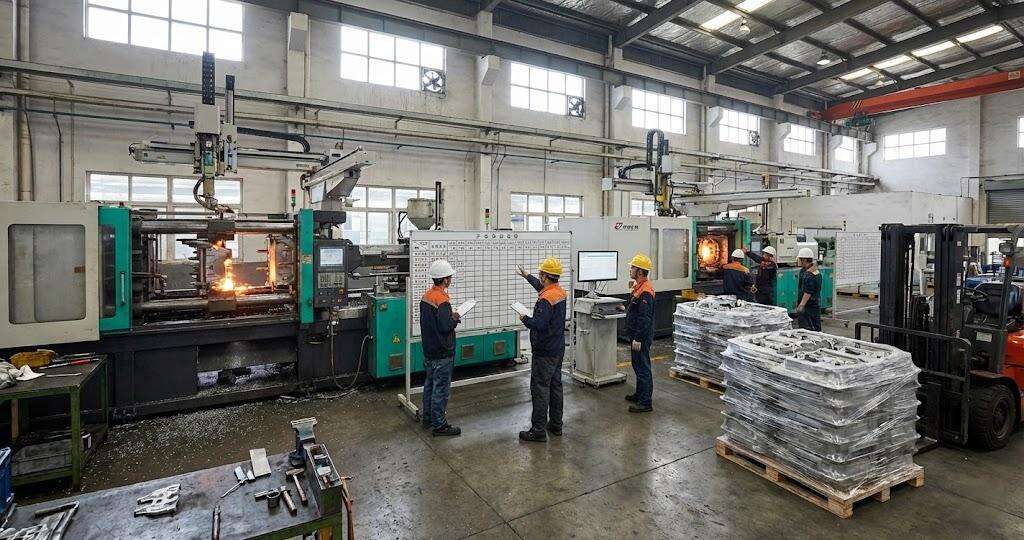
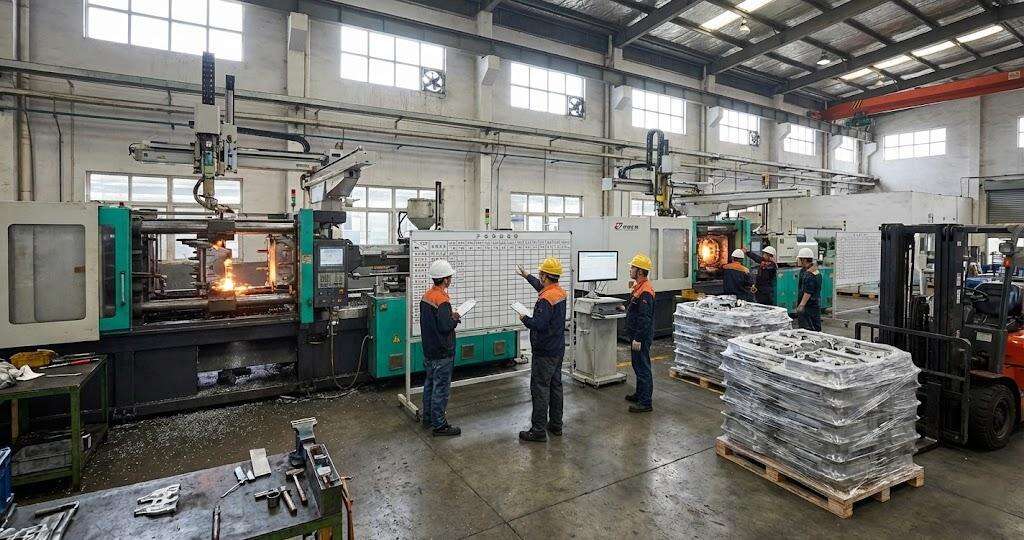
The ability to meet delivery deadlines is what really sets top die casting manufacturers apart from their competition within global supply chains. When there are production delays, problems multiply throughout the client's operations stopping assembly lines cold, causing contract penalties, and damaging credibility in the marketplace. According to a recent McKinsey report from 2023, about 8 out of 10 companies dealing with supply chain issues saw major drops in revenue, particularly those in the automotive and aerospace fields where timing matters most. Think about die cast parts that go into finished products like engine blocks or housing units for medical devices. If these shipments arrive late, they throw off entire production schedules for clients. The financial consequences are obvious, but there's something else at stake too. Companies that consistently deliver on time build trust that keeps customers coming back again and again. This becomes even more critical when working internationally where things get complicated by customs paperwork and different transportation methods. Smart manufacturers know this well enough to put strong monitoring systems in place and have plans ready for potential risks because nobody wants to lose clients over missed delivery windows, especially not in industries where precision is everything.
Key Drivers of Lead Time in Die Casting Manufacturing
Tooling Development and Design Complexity
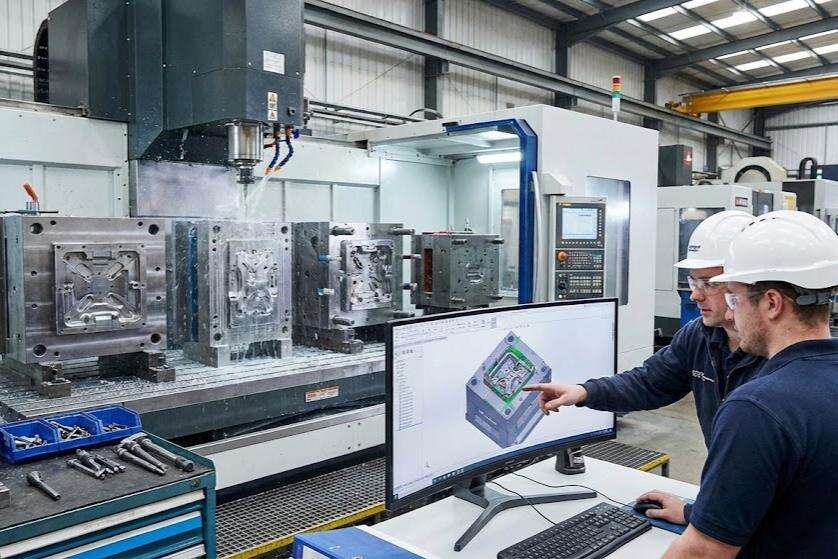
Creating tooling takes the longest chunk of time in the whole process, usually around 2 to 6 weeks just for making and testing dies. When dealing with complicated shapes, everything gets harder fast. The CAD models need to be spot on, then there's all that special steel work, plus constant tweaking until everything measures right. Features like thin walls or those tricky internal passages really stretch out the timeline because every change means rewriting the tool paths and running those thermal stress tests again. Some shops have seen their lead times drop by about 40% though when they start doing concurrent engineering from day one instead of waiting till later stages.
Material Sourcing, Alloy Availability, and Post-Processing Dependencies
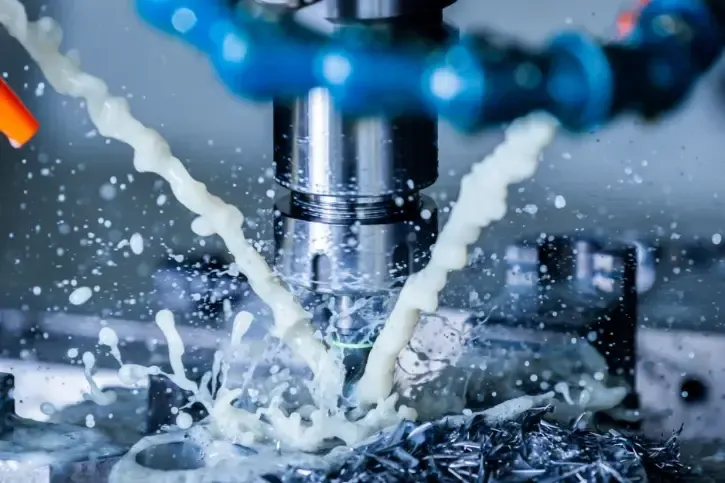
The time it takes to get materials varies quite a bit depending on what's happening in the global alloy markets. Specialty metals such as A380 aluminum can face waits of around three weeks or more when demand spikes. After casting comes all sorts of additional work like CNC machining, applying powder coatings, and various plating techniques. These steps depend on each other in sequence so if something gets held up at one stage, everything else behind it grinds to a halt too. According to some recent industry research from last year, roughly seven out of ten late deliveries actually stem from problems in these secondary processing stages, especially when certain surface treatments need specific conditions controlled carefully. Smart companies try to avoid these headaches by working with multiple suppliers at once and keeping extra stock on hand for those really important alloys they just can't afford to be without.
Proven Strategies to Accelerate Delivery Without Compromising Quality or Cost
Early Collaboration, DFM Integration, and Rapid Prototyping
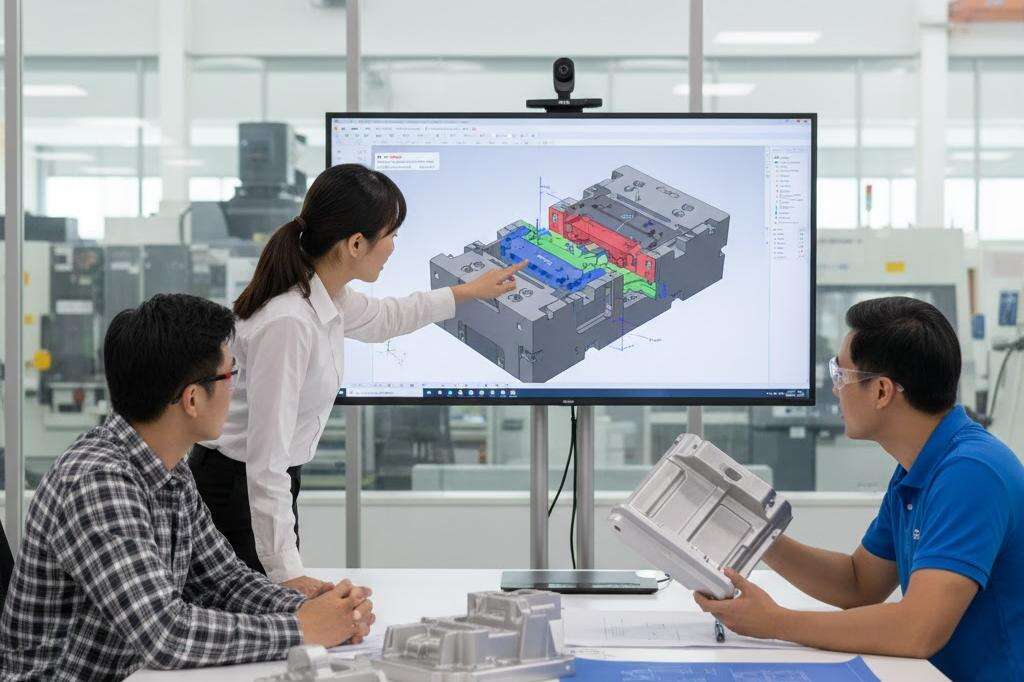
Starting joint engineering reviews right at the design stage really helps shorten those long lead times we all hate so much. When companies bring in Design for Manufacturability (DFM) ideas from day one, they catch those pesky problems way before anyone starts making actual tools. Think about those complicated shapes that need special tooling equipment nobody wants to deal with. Just taking a few minutes to simplify those undercuts in aluminum parts can save around 30% on mold machining time alone. And let's not forget about rapid prototyping these days. With 3D printed sand cores or temporary CNC machined tools, designers can test out their ideas in just a few days instead of waiting weeks for real tooling. This prevents those expensive changes after everything is already built. Some smart suppliers are now using digital twin simulations too. These virtual models help them check things out without breaking the bank, cutting down validation time by almost half. The components still work great, but production gets going months earlier than it would otherwise.
Lean Production Systems: JIT Scheduling and Continuous Flow Optimization
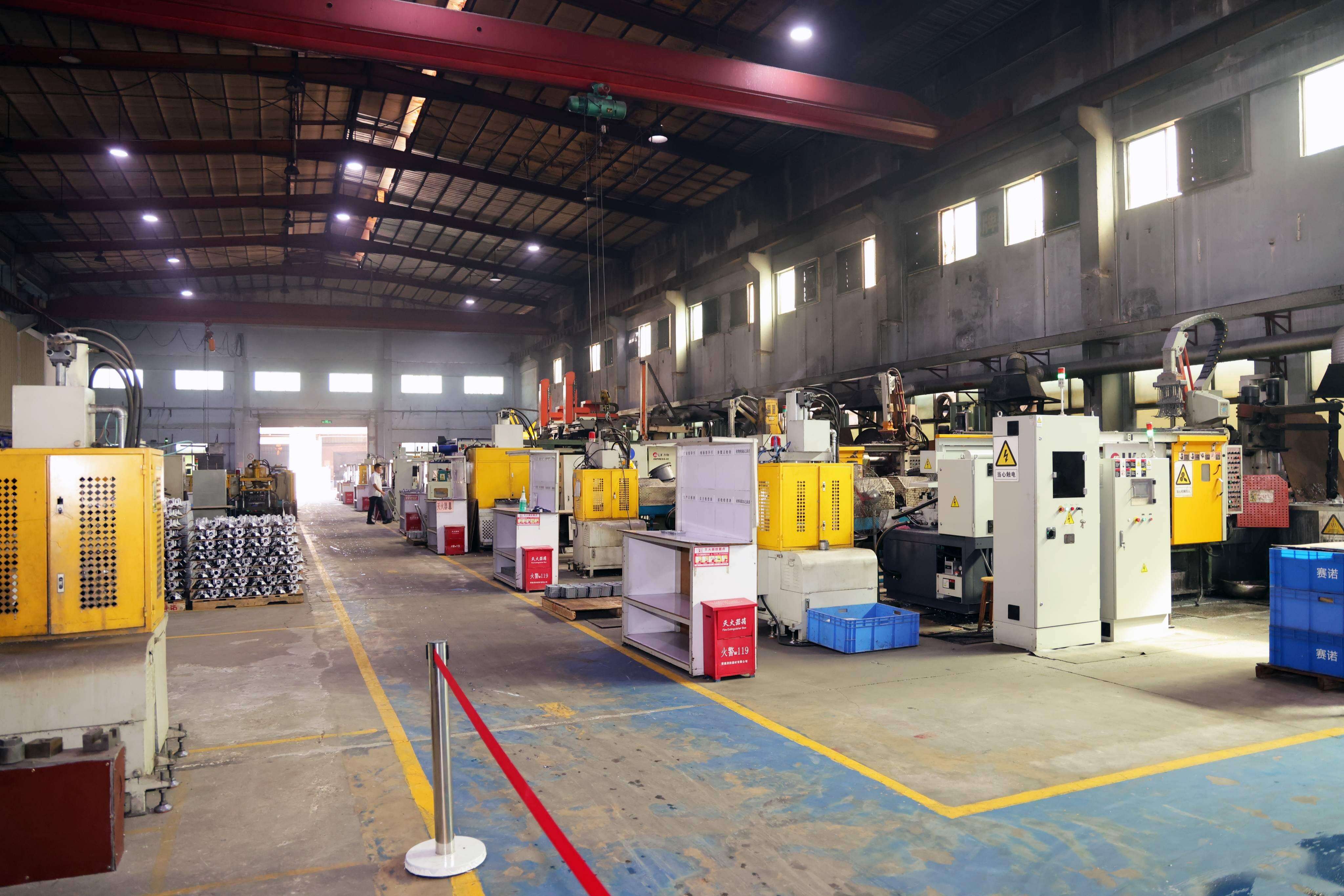
When die casting plants go for Just-in-Time scheduling, they cut down on those inventory buffers and get materials flowing much smoother through the system. Monitoring molten metal temps in real time along with keeping track of when machines will be free helps prevent those annoying alloy solidification issues that waste so much time. We're talking about cutting idle periods by around a quarter, which adds up fast. Some shops have started arranging their workspaces in cells where trimming, deburring, and CNC operations sit right next to each other. This setup really cuts down on all that wasted transportation between stations. An actual automotive parts maker saw something amazing happen after putting in those automated conveyors between casting areas and the T6 heat treatment section. Handling times dropped dramatically from eight long hours down to just ninety minutes flat. And across the board, quality remains rock solid too. Most facilities manage to keep defects under half a percent thanks to statistical controls at every workstation. So contrary to what some might think, going fast doesn't mean sacrificing quality in modern manufacturing.
Building Trust Through Transparency: Real-Time Tracking and Client Communication Protocols
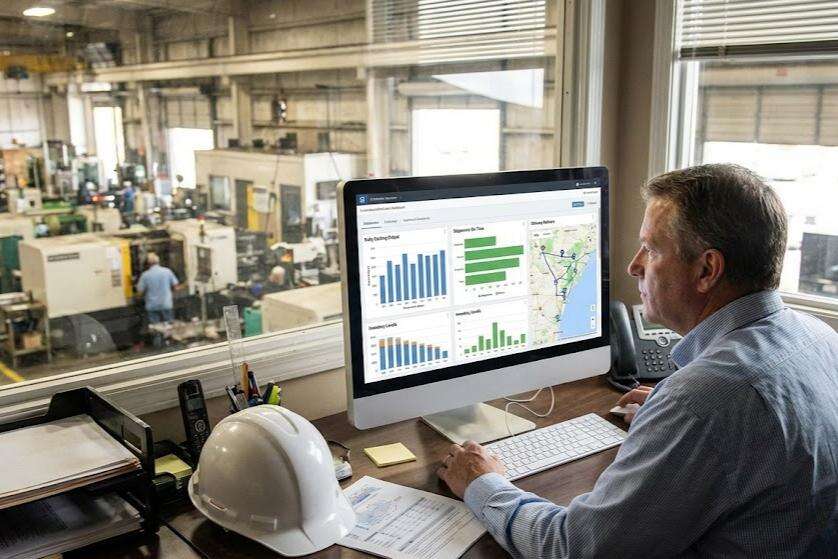
Client trust in global manufacturing partnerships really comes down to one thing: transparency. Top die casting companies have started using live production tracking systems so their customers can check on orders anytime they want via secure online portals. This kind of visibility cuts out all the guessing games and actually reduces those status update emails by around 40%, according to what we see across the industry. Good communication matters too. Most manufacturers set up regular weekly updates, send automatic alerts when milestones are hit, and keep special lines open for quick questions. If something goes wrong and there's a delay, honest folks tell their partners right away along with backup plans. We've seen this work wonders in turning simple business deals into real partnerships where clients stay in the loop from start to finish. The best manufacturers don't just rely on tech stuff either. They pair their digital tools with actual people who get assigned to projects. These project managers watch for problems before they happen and explain complicated factory data in ways that make sense for running a business. It's this mix of computer tracking and good old fashioned human interaction that keeps clients coming back for more.
FAQ
Why is on-time delivery critical in die casting manufacturing?
On-time delivery is crucial because delays can disrupt client operations, leading to production halts, penalties, and damage to credibility. In industries like automotive and aerospace, timing is essential for maintaining smooth production schedules and client trust.
What steps can manufacturers take to ensure on-time delivery?
Manufacturers can implement strong monitoring systems, engage in early collaboration, use real-time tracking, and establish transparent communication protocols with clients to prevent and manage potential delays effectively.
How can lead time be reduced in die casting manufacturing?
Lead time can be reduced through early collaboration with Design for Manufacturability (DFM) principles, rapid prototyping, lean production systems, and ensuring continuous flow optimization in the production process.
What role does material sourcing play in delivery timelines?
Material sourcing can significantly affect timelines, especially if there are delays in obtaining specific alloys. Post-processing dependencies also play a role, as delays in these stages can impact the entire production schedule.
Table of Contents
- Why On-Time Delivery Is the Defining Metric for a Global Die Casting Manufacturer
- Key Drivers of Lead Time in Die Casting Manufacturing
- Proven Strategies to Accelerate Delivery Without Compromising Quality or Cost
- Building Trust Through Transparency: Real-Time Tracking and Client Communication Protocols
- FAQ