 ×
×

Feb 25,2026
Aluminum casting is one of the most widely used metal forming processes in modern manufacturing. By transforming molten aluminum alloys into precisely shaped components, manufacturers can produce lightweight, durable, and cost-efficient parts for automotive, electronics, telecommunications, robotics, and industrial equipment industries.
This guide provides a comprehensive overview of aluminum casting processes, alloy selection, mechanical properties, advantages, limitations, and design considerations for engineering applications.
Aluminum casting is the process of introducing molten aluminum alloy into a mold cavity, where it solidifies into a predetermined geometry. The mold may be reusable (metal die) or expendable (sand or ceramic-based).
The selection of casting method depends on:
Required dimensional tolerance
Mechanical performance targets
Production volume
Surface finish requirements
Tooling investment budget
Different processes provide different balances between cost, precision, and structural integrity.
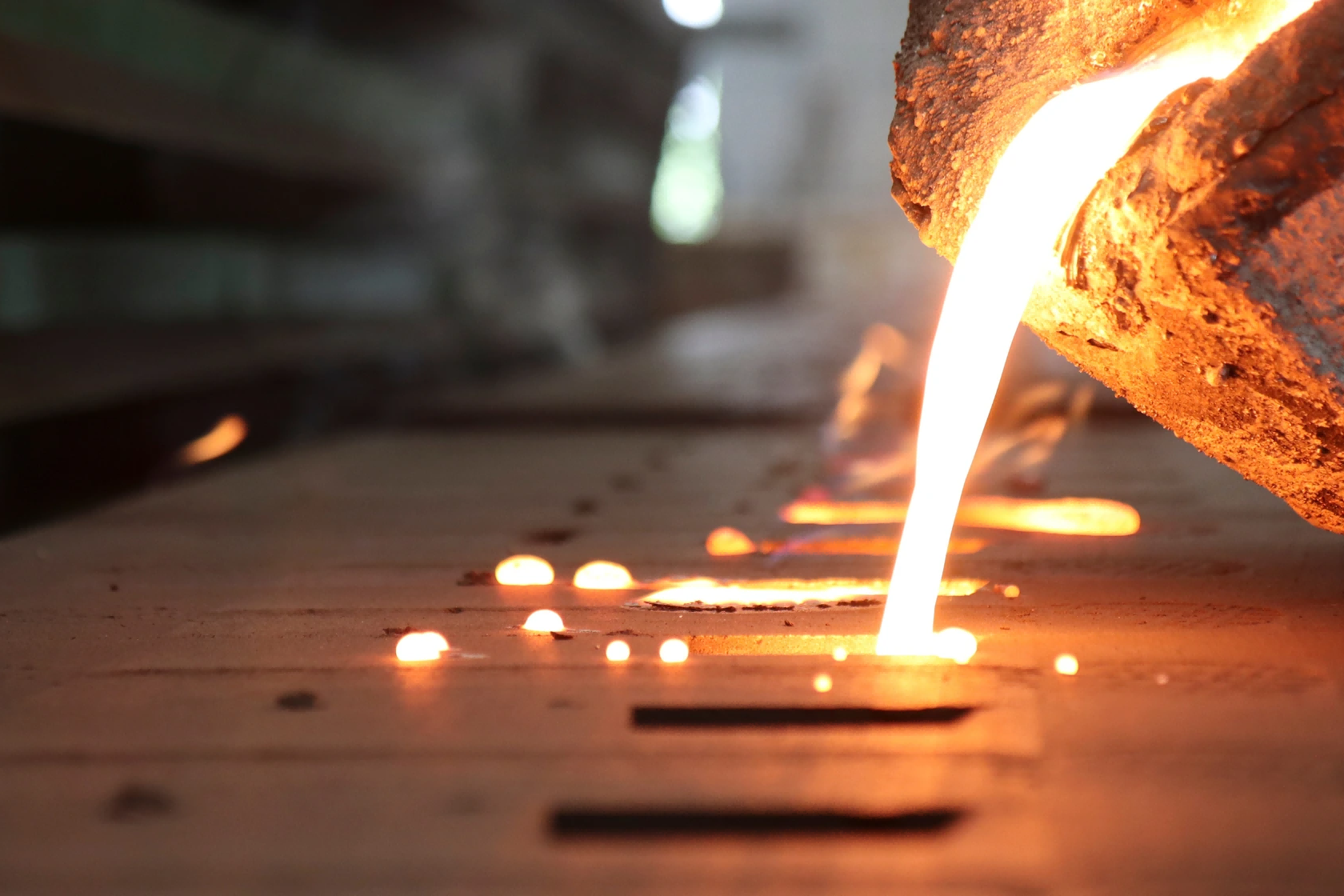
High Pressure Die Casting (HPDC) is the dominant method for high-volume aluminum components requiring tight tolerances and high repeatability.
In the cold chamber process:
Molten aluminum is ladled into a shot sleeve.
A hydraulic plunger injects the metal into a hardened steel die at high velocity.
The metal solidifies rapidly under pressure.
The casting is ejected and trimmed.
Key Characteristics:
High production speed
Excellent dimensional control
Good surface finish
Suitable for thin walls (typically 1–4 mm depending on design)
Aluminum alloys are processed using the cold chamber method due to their melting temperature and metallurgical behavior.
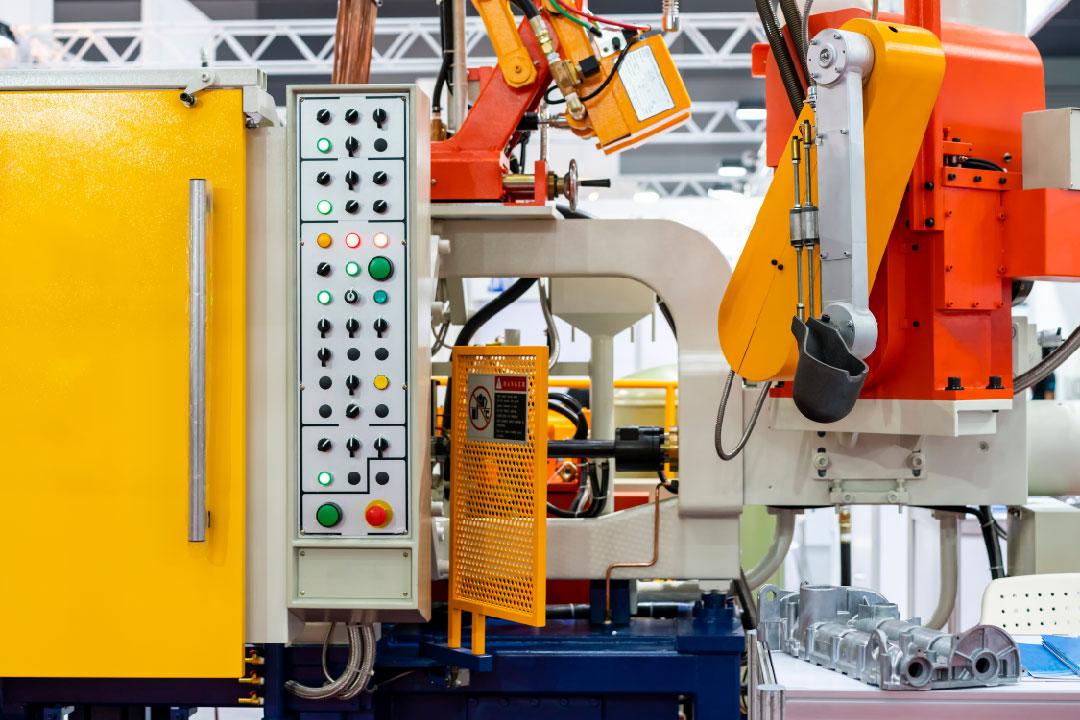
Permanent mold casting uses reusable metal molds and relies on gravity or low-pressure filling.
Compared to sand casting, it offers:
Improved mechanical properties
Reduced porosity
Better surface consistency
This process is suitable for medium-volume production and structural components where strength and reliability are important.
Sand casting uses expendable molds formed around a pattern. It is highly flexible and ideal for:
Large components
Low-volume production
Complex internal geometries
However, dimensional tolerances are generally looser compared to die casting.
Investment casting produces intricate components by:
Creating a wax pattern
Coating it with ceramic slurry
Melting out the wax
Pouring molten aluminum into the ceramic shell
It enables thin walls and detailed geometry but typically involves higher tooling costs.
Lost foam casting uses foam patterns that vaporize when molten aluminum is poured. It reduces parting lines and core usage, making it suitable for complex automotive components.
Vacuum systems reduce air in the die cavity before and during injection, minimizing gas entrapment and internal porosity.
Benefits include:
Improved mechanical properties
Better weldability
Enhanced structural integrity
Reduced internal defects
The vacuum assists filling quality; the primary metal flow is still driven by high-pressure injection.
In squeeze casting, molten metal solidifies under sustained pressure, resulting in:
Higher density
Reduced shrinkage porosity
Improved elongation
These processes are used in structural automotive components requiring higher integrity.
Aluminum casting alloys are formulated to balance castability, strength, corrosion resistance, and thermal conductivity.
| Alloy | Tensile Strength (MPa) | Yield Strength (MPa) | Elongation (%) | Key Characteristics |
|---|---|---|---|---|
| A380 | 310–330 | 150–170 | 2–4 | General purpose, excellent castability |
| A360 | 300–320 | 150–165 | 3–5 | Improved corrosion resistance |
| A383 | 300–325 | 150–170 | 2–4 | Good fluidity for complex shapes |
| A413 | 280–310 | 140–160 | 2–3 | Excellent pressure tightness |
| B390 | 320–340 | 160–180 | 1–3 | High hardness, wear resistance |
Values vary depending on casting conditions and section thickness.
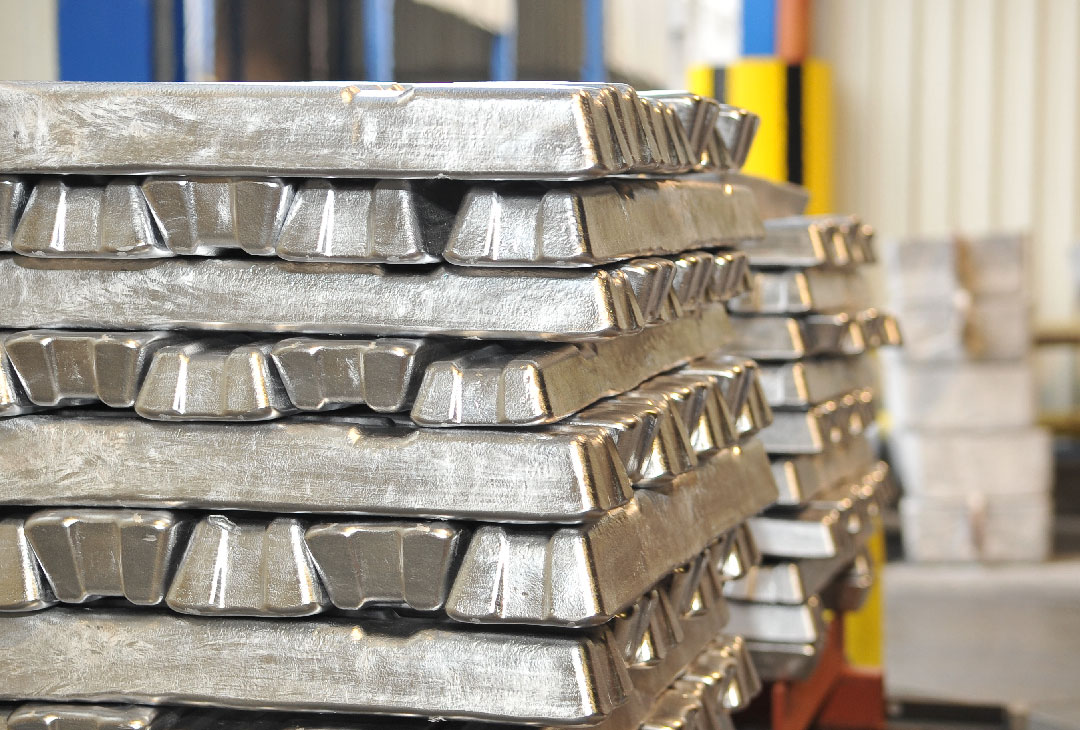
When selecting an alloy, engineers should evaluate:
Required tensile strength
Impact resistance
Thermal conductivity
Corrosion environment
Machinability
Surface finishing compatibility
Proper design improves quality and reduces cost.
Uniform wall thickness reduces shrinkage defects.
Sudden transitions may cause porosity or warping.
Thin-wall capability depends on process selection.
Draft is required for part ejection. Typical die casting draft ranges from 0.5° to 2° depending on geometry.
Sharp corners should be avoided to reduce stress concentration and improve metal flow.
Typical dimensional tolerances vary by process:
| Process | Typical Linear Tolerance |
|---|---|
| High Pressure Die Casting | ±0.1–0.25 mm (depending on size) |
| Permanent Mold | ±0.3–0.5 mm |
| Sand Casting | ±0.8–1.5 mm |
Secondary machining may be required for critical interfaces.
Lightweight Performance
Aluminum has approximately one-third the density of steel, making it ideal for weight-sensitive applications.
Strength-to-Weight Efficiency
While not stronger than steel in absolute terms, aluminum provides excellent structural efficiency relative to its weight.
Corrosion Resistance
Natural oxide formation protects aluminum from environmental degradation.
Thermal Conductivity
Suitable for heat sinks, motor housings, and electronic enclosures.
Cost Efficiency in High Volume
Die casting enables:
Rapid cycle times
Automated production
Reduced per-part cost
Aluminum cast components are widely used in:
Automotive engine housings
Robotics frames
Industrial pump housings
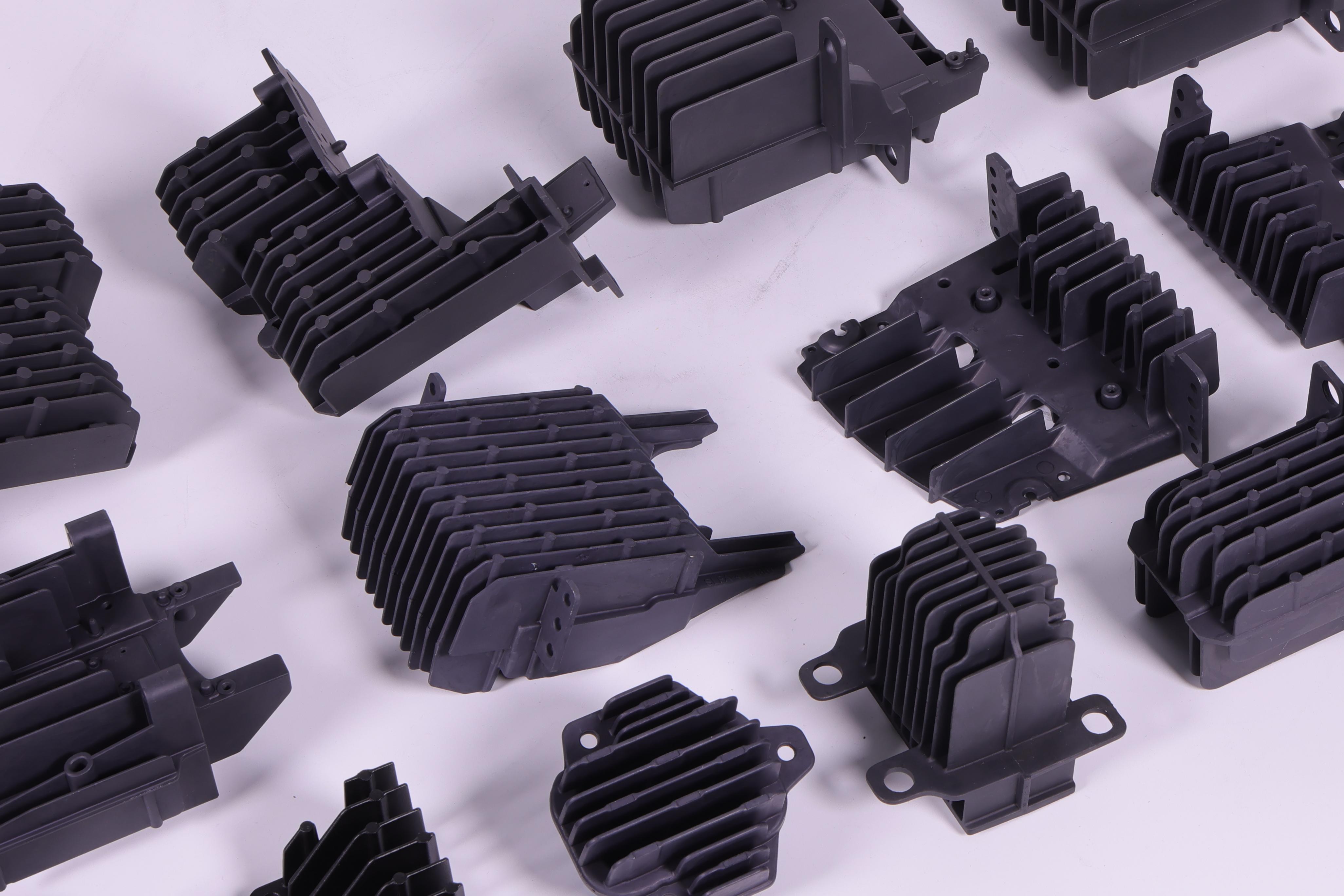
Selecting an experienced manufacturer ensures:
Proper alloy selection
Optimized tooling design
Process stability
Quality consistency
Scalable production capability
Engineering collaboration during early design stages significantly improves casting performance and cost efficiency.
Aluminum casting offers a highly versatile manufacturing solution for lightweight, durable, and cost-effective components. By carefully selecting the appropriate process and alloy, manufacturers can achieve reliable mechanical performance, dimensional accuracy, and scalable production across diverse industries.
When engineered and controlled properly, aluminum casting remains one of the most efficient metal forming technologies available today.

 EN
EN

