Industrial Robots in Zinc Die Casting Parts | Sino Precision

Get a Free Quote

Our representative will contact you soon.
Email
Mobile/WhatsApp
Name
Company Name
Attachment
Please upload at least an attachment
Up to 3 files,more 30mb,suppor jpg、jpeg、png、pdf、doc、docx、xls、xlsx、csv、txt、stp、step、igs、x_t、dxf、prt、sldprt、sat、rar、zip
Message
0/1000

Sino Die Casting: Precision Zinc Die Casting Parts for Industrial Robots

Sino Die Casting is a global leader in high-precision mold manufacturing, die casting, and CNC machining, specializing in custom zinc alloy components for industrial robotics. With ISO 9001 certification and 17+ years of expertise, we serve automotive, robotics, and telecom industries, exporting to over 50 countries. Our Shenzhen facility integrates advanced 1350T die casting machines, 5-axis CNC centers, and automated quality control systems, enabling rapid prototyping and scalable mass production. Trusted by clients like Parker and Eaglerise, we deliver lightweight, durable zinc parts with tight tolerances for robotic arms, joints, and housings.
Get A Quote


Why Choose Sino Die Casting for Industrial Robot Zinc Components

Material Engineering for Robotic Performance

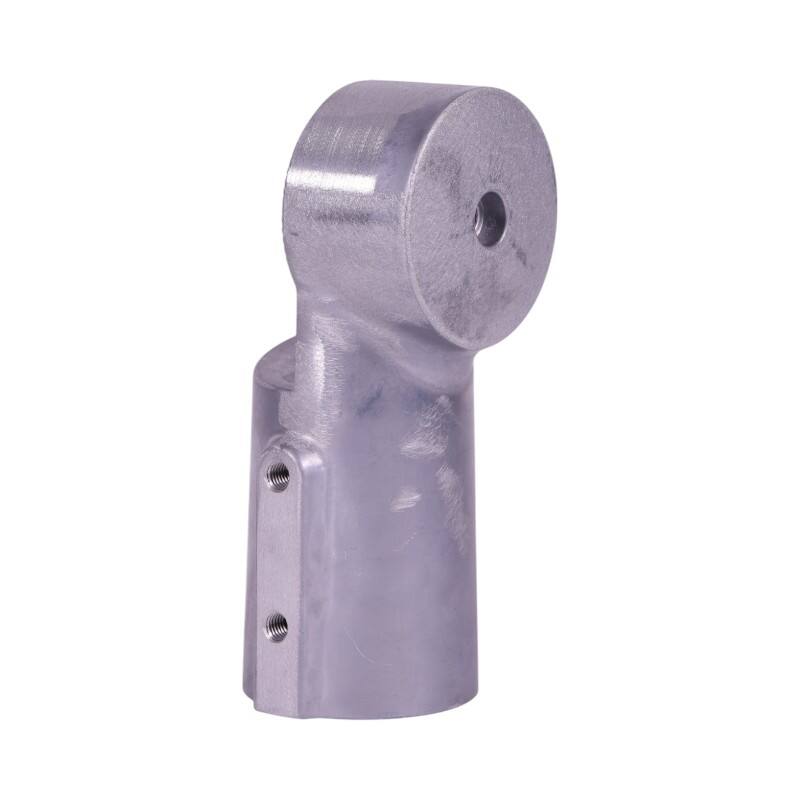
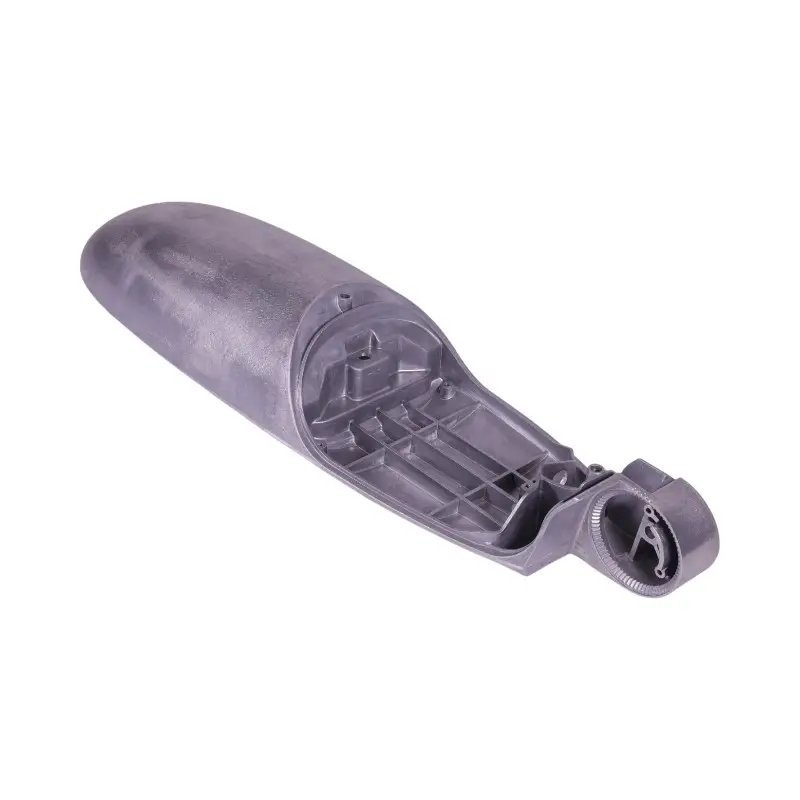
Our zinc alloy die casting expertise focuses on Zamak 3 and Zamak 5, selected for their ideal balance of strength, ductility, and corrosion resistance in robotic joints and housings. Using hot chamber die casting, we achieve 0.1mm tolerances on complex geometries, critical for precise motion control. The process ensures uniform material density, eliminating porosity in high-stress areas like robotic wrist actuators. For lightweighting, we optimize wall thickness to 1.5mm, reducing inertia by 20% compared to aluminum alternatives. Our vacuum-assisted casting technology further enhances surface finish, minimizing post-machining needs.

Scalable Production with Automated Precision

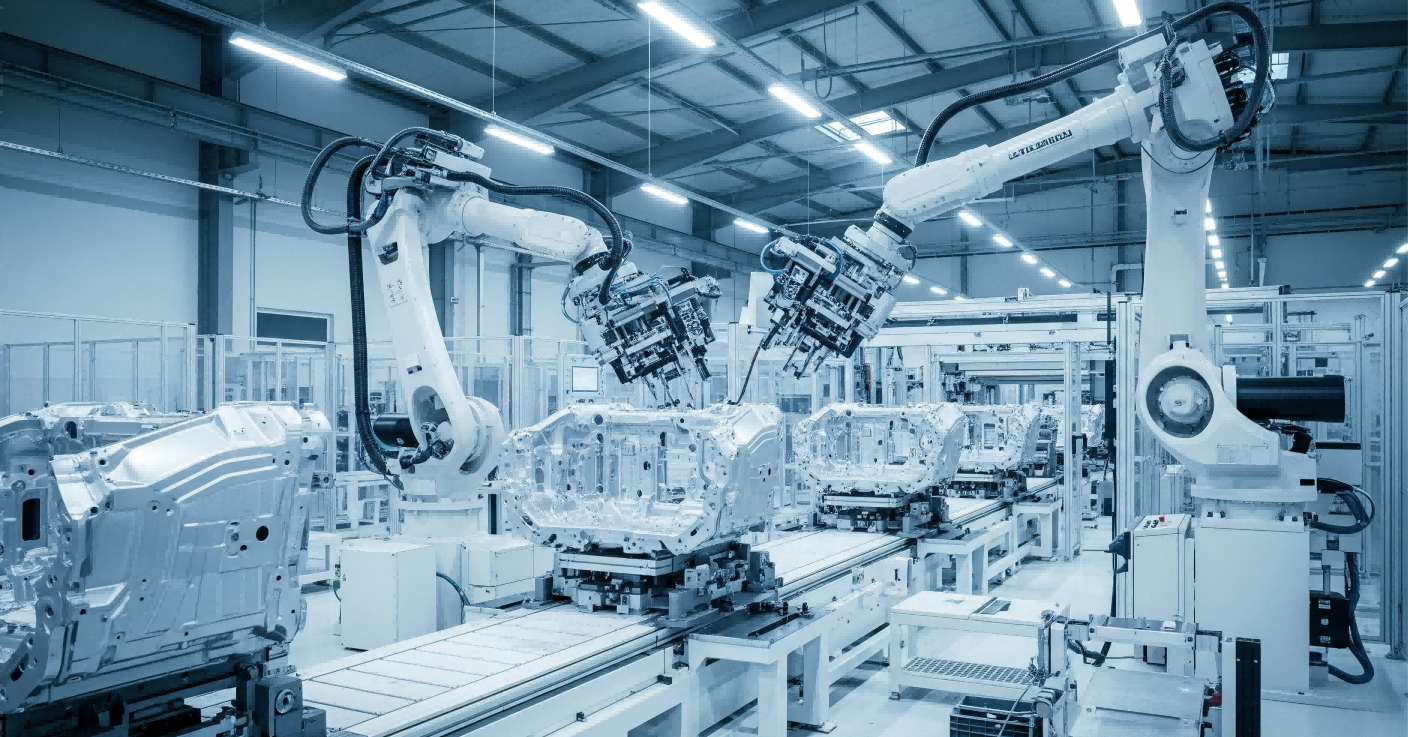
With 12 high-speed hot chamber die casting machines (88T–350T), we produce 50,000+ zinc robotic components monthly. Integrated 5-axis CNC centers perform simultaneous milling and drilling, reducing cycle times by 35%. Real-time SPC monitoring tracks 15 critical dimensions per part, ensuring <0.05mm deviations. Our automated mold temperature control system maintains consistent casting quality, critical for repeatability in mass production. For prototyping, 3D-printed molds enable first samples in 5 days, accelerating design validation for robotic OEMs.

Related products

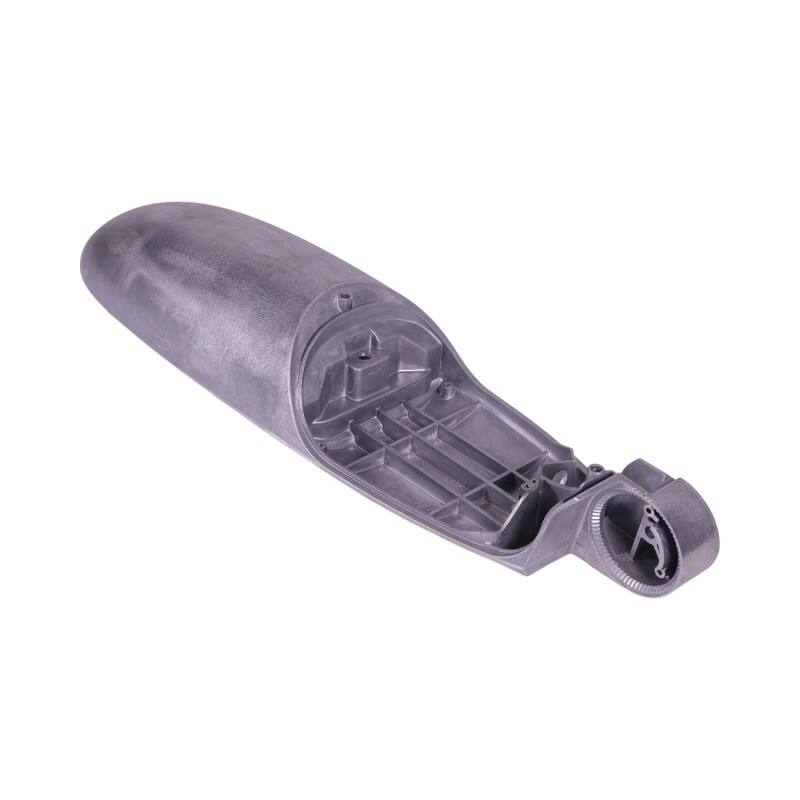
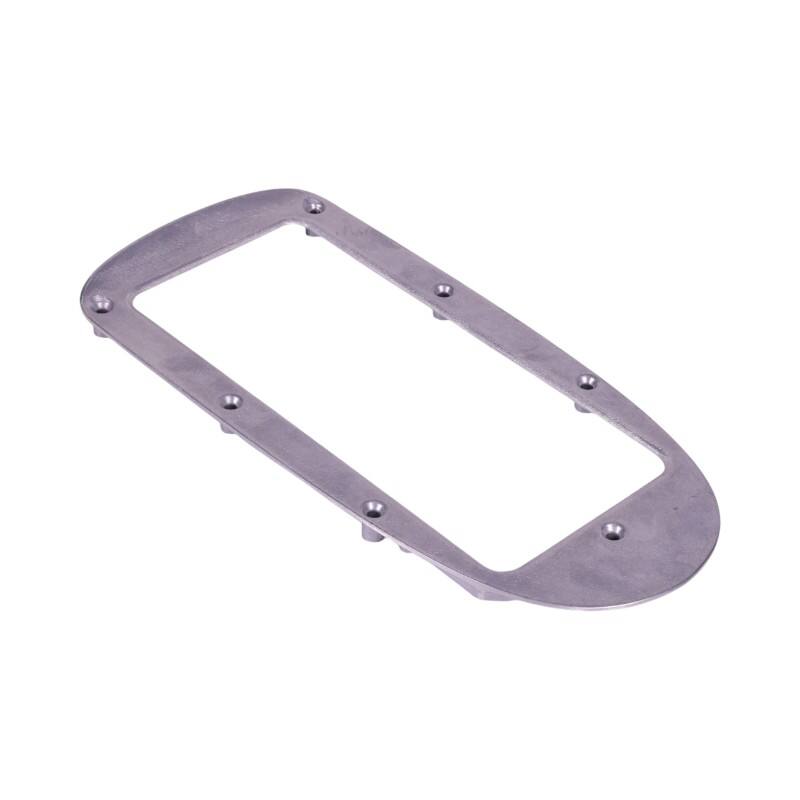
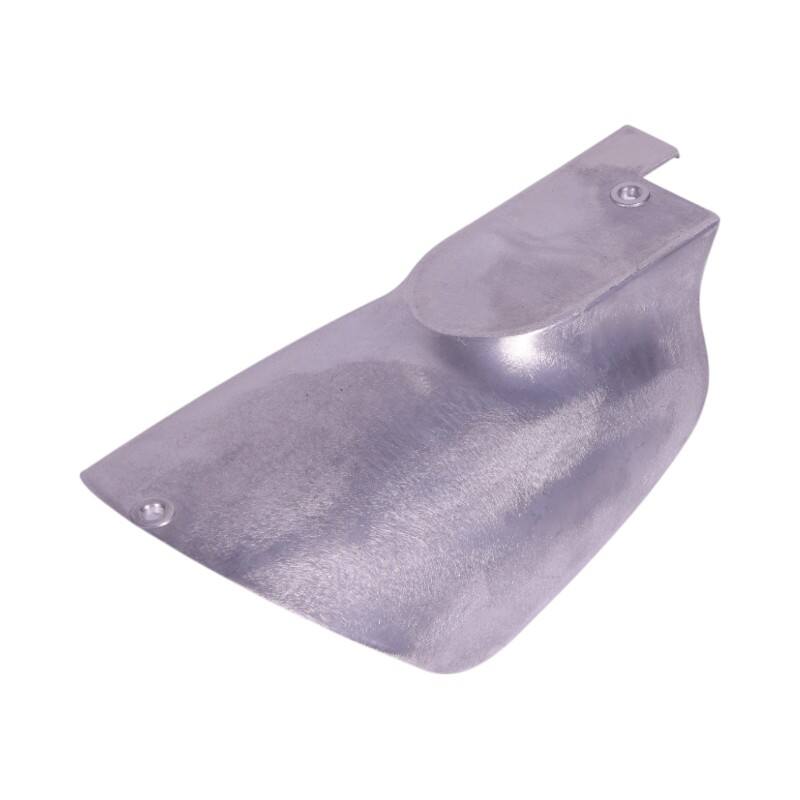
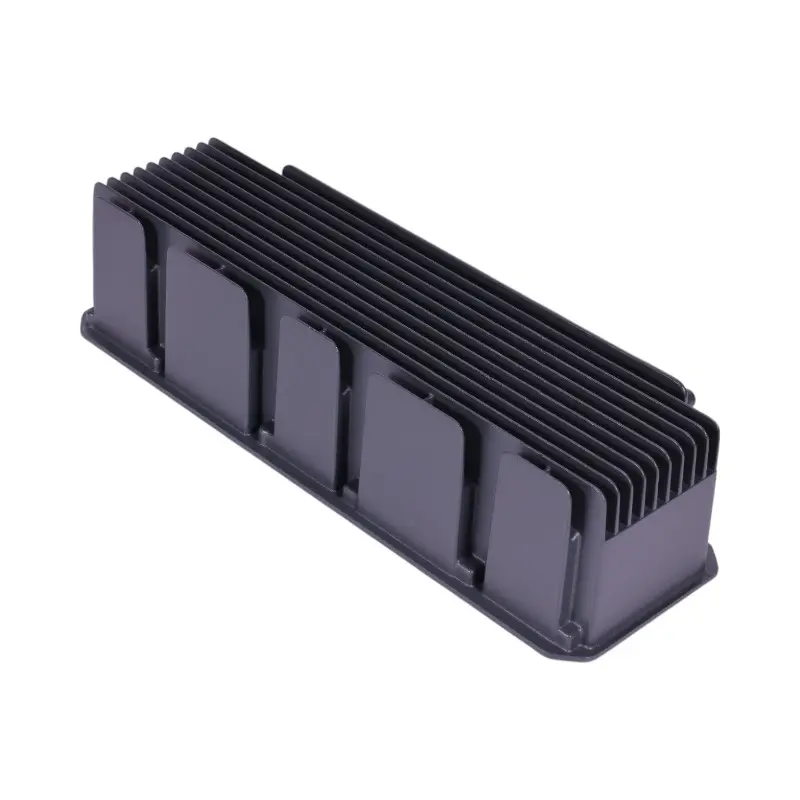
Industrial robots demand zinc die casting parts that combine strength, precision, and lightweight performance to optimize motion efficiency and durability. Sino Die Casting specializes in manufacturing high-quality zinc alloy components for robotic arms, joints, and housings, leveraging hot chamber die casting technology to achieve 0.1mm tolerances on complex geometries. Our Zamak 3 and Zamak 5 alloys are engineered for optimal balance between tensile strength (380–420 MPa) and elongation (3–5%), ensuring reliable performance in high-stress robotic applications. For robotic wrist actuators, we implement vacuum-assisted casting to eliminate porosity, achieving 99.8% material density critical for cyclic loading. The process integrates automated mold temperature control, maintaining consistent quality across 50,000+ monthly production volumes. Our 5-axis CNC machining centers perform simultaneous milling and drilling, reducing post-casting processing by 40% and enabling intricate features like internal cooling channels for thermal management. For collaborative robots (cobots), we optimize wall thickness to 1.5mm using finite element analysis (FEA), reducing inertia by 20% while maintaining structural integrity. Real-time SPC monitoring tracks 15 critical dimensions per part, including parallelism and concentricity, ensuring compliance with ISO 10218 robot safety standards. Our closed-loop quality system links CMM inspection data directly to mold adjustment parameters, achieving first-pass yield rates of 98.5% for robotic end-effector housings. For rapid prototyping, 3D-printed molds enable functional zinc samples in 5 days, accelerating design validation for robotic OEMs. The factory’s automated material handling system reduces lead times by 25%, delivering die-cast robotic bases within 10 days from order confirmation. Surface treatment options, including chromate conversion and powder coating, provide corrosion resistance for industrial environments, with salt spray testing exceeding 500 hours. Our engineering team collaborates with robotic manufacturers during the design phase, offering DFM feedback to optimize part geometry for die casting feasibility. This proactive approach has reduced tooling modification costs by 30% for clients developing next-generation robotic systems. With export capabilities to 50+ countries, we provide PPAP Level 3 documentation and REACH compliance for global supply chains.

Frequently Asked Questions

What tolerances can be achieved for zinc die casting robotic parts?

Sino Die Casting achieves ±0.1mm tolerances on zinc die casting components for robotic joints and housings using hot chamber die casting technology. Critical dimensions like bore diameters and flange thicknesses are monitored in real-time via SPC systems, with CMM inspection reports provided in English. For robotic wrist actuators, we maintain concentricity within 0.03mm through automated mold temperature control and vacuum-assisted casting, which eliminates porosity and ensures uniform material density.
Quality assurance begins with mold flow analysis to optimize gate design and reduce air entrapment. During production, each zinc die-cast part undergoes 100% visual inspection and statistical sampling for dimensions. Our 5-axis CNC centers are equipped with in-process gauging to verify features like thread depths and pocket locations. Finished robotic components are tested for tensile strength (380–420 MPa) and elongation (3–5%) using spectral analysis. Batch traceability is maintained via QR codes linking to raw material certificates and process parameters.

Related Articles

Automation in the Automotive Industry: Die Casting's Role

03

Jul

Automation in the Automotive Industry: Die Casting's Role

The Shift to Automated Die Casting in Automotive Manufacturing Traditional Stamping vs. Modern Die Casting Stamping Parts The traditional mold is the foundation of automotive production, as it has been a stable method of forming vehicle parts f...
View More
Aluminum Die Casting vs. Zinc Die Casting: Which Is Better?

16

Jul

Aluminum Die Casting vs. Zinc Die Casting: Which Is Better?

Aluminum vs. Zinc Die Casting: Core Differences Fundamental Process Characteristics In general, when producing an aluminum die-casting, molten aluminum is ejected into a mold under high pressure. This process promotes a shorter cycle time and th...
View More
The Future of Die Casting: Trends to Watch in 2025

22

Jul

The Future of Die Casting: Trends to Watch in 2025

Advancements in Die Casting Technology and Automation Smart Solutions: AI-Driven Process Optimization The die casting industry is seeing major changes thanks to artificial intelligence, which helps streamline workflows, cut down on cycle times, and...
View More
Die Casting vs CNC Machining: Which is Better for Your Project?

18

Jul

Die Casting vs CNC Machining: Which is Better for Your Project?

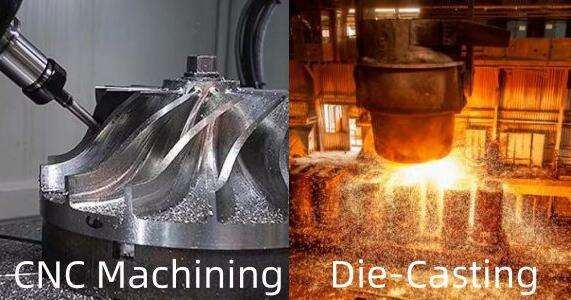
Understanding Die Casting and CNC Machining Processes Fundamentals of Die Casting: Mold-Based Production Die casting remains one of the most important ways manufacturers create parts by pushing molten metal into molds using high pressure. Two main ...
View More

customer evaluation

Cameron
Reduced Lead Times for Robotic Arm Components

We needed zinc die-cast robotic arm bases with 1.5mm wall thickness for a new cobot line. Sino Die Casting’s engineering team suggested optimizing the rib structure using FEA, reducing material use by 18% while maintaining stiffness. Their 3D-printed mold produced first samples in 5 days, and mass production started within 10 days of order confirmation. The automated CNC machining cut post-processing time by 40%, helping us meet a 6-week launch deadline

Cole
High-Precision Joints for Industrial Robots

Sino Die Casting delivered Zamak 5 robotic joints with 0.05mm tolerances on spline teeth. Their vacuum casting process eliminated porosity, which was critical for our high-cycle fatigue testing (10^7 cycles). The in-house chromate conversion coating passed 720-hour salt spray tests, meeting our automotive OEM client’s requirements. Their real-time SPC data sharing allowed us to adjust assembly parameters proactively

Get a Free Quote

Our representative will contact you soon.
Email
Mobile/WhatsApp
Name
Company Name
Attachment
Please upload at least an attachment
Up to 3 files,more 30mb,suppor jpg、jpeg、png、pdf、doc、docx、xls、xlsx、csv、txt
Message
0/1000
 5-Day Rapid Prototyping

5-Day Rapid Prototyping

3D-printed molds enable functional zinc die-cast samples in 5 days, complete with CNC-machined features. This accelerates design validation by 50% compared to traditional steel molds, reducing NRE costs for robotic OEMs.
Automated Quality Control

Automated Quality Control

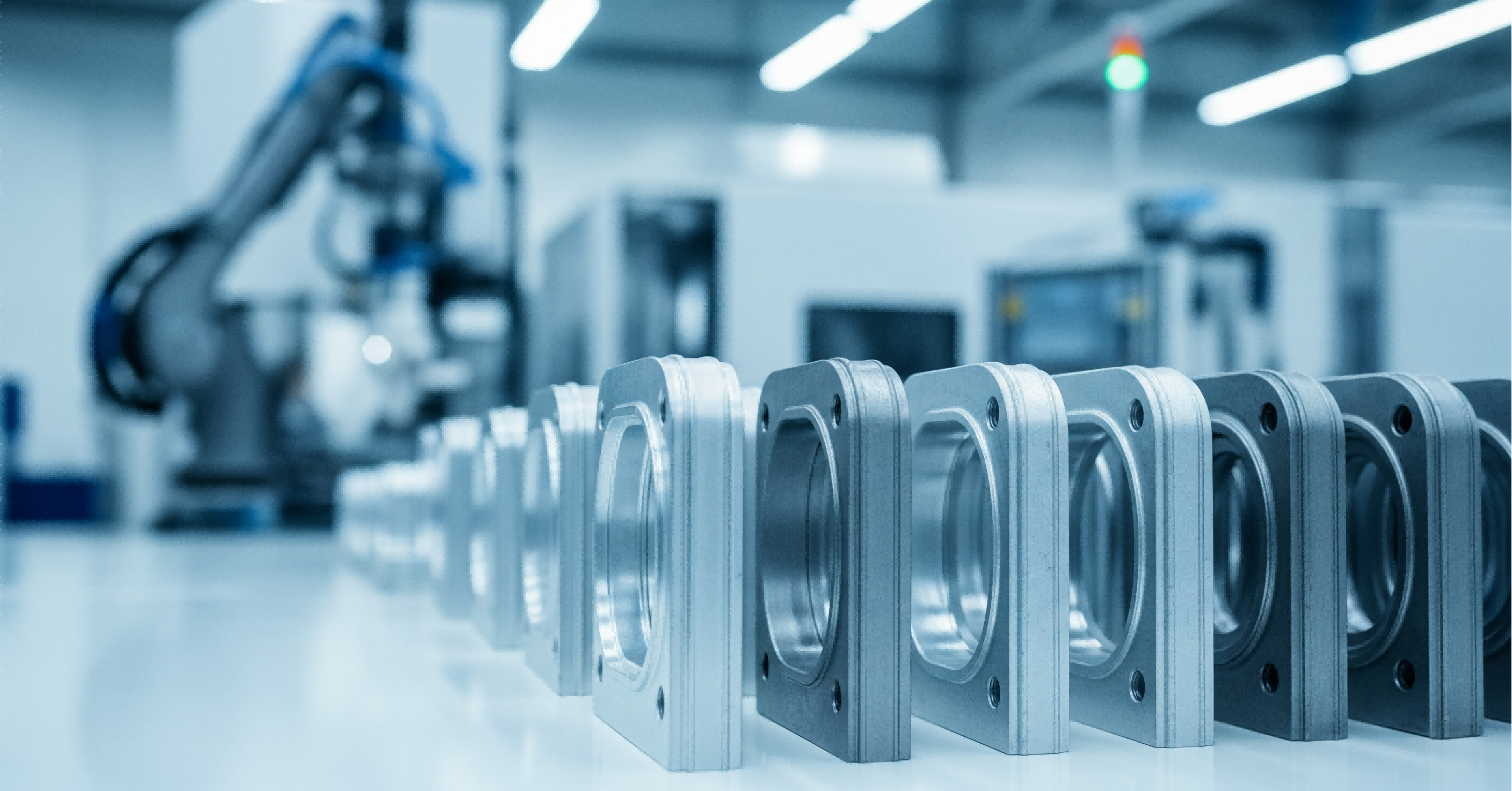
Integrated CMM and vision systems inspect 100% of robotic components for critical dimensions like parallelism and thread depth. Real-time SPC adjustments maintain <0.05mm deviations, ensuring compliance with ISO 10218 robot safety standards.
Global Compliance Network

Global Compliance Network

Certified to ISO 14001 and REACH, we provide PPAP Level 3 documentation and conflict minerals reports. Our legal team handles customs declarations for 50+ countries, enabling DDP delivery terms for robotic components without delays.