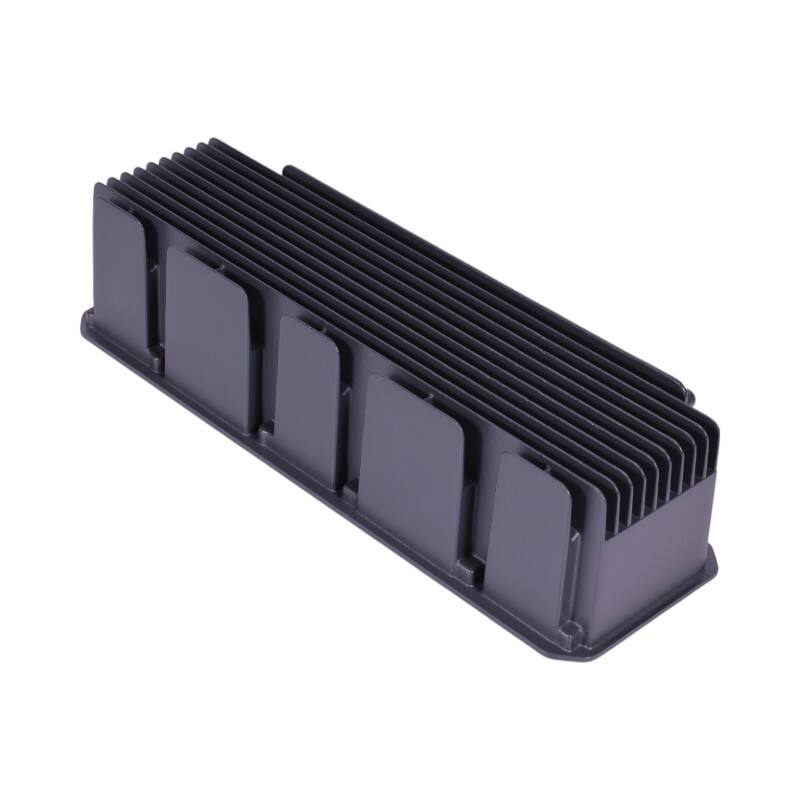
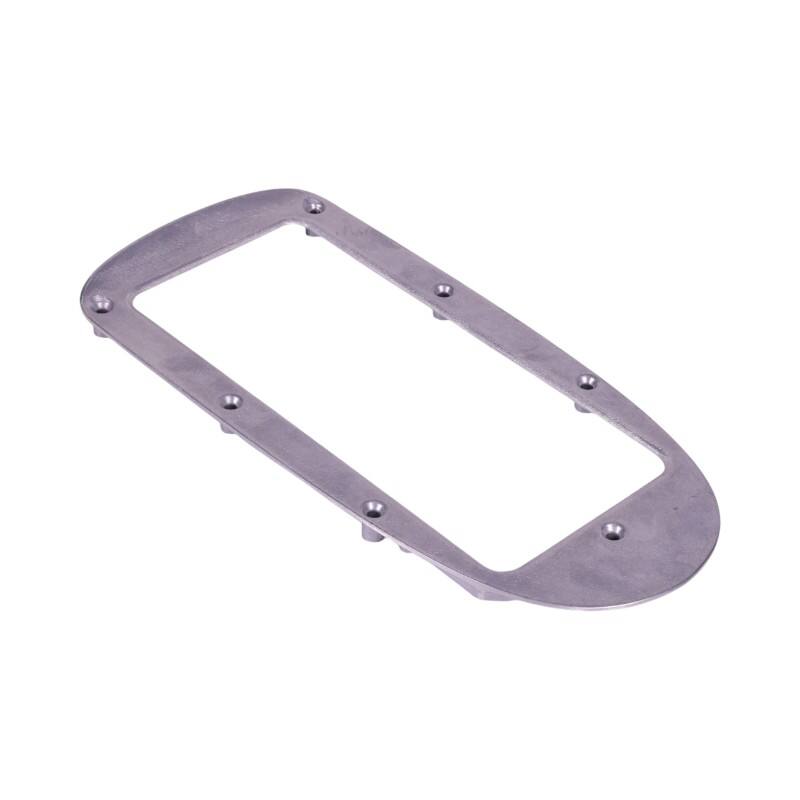
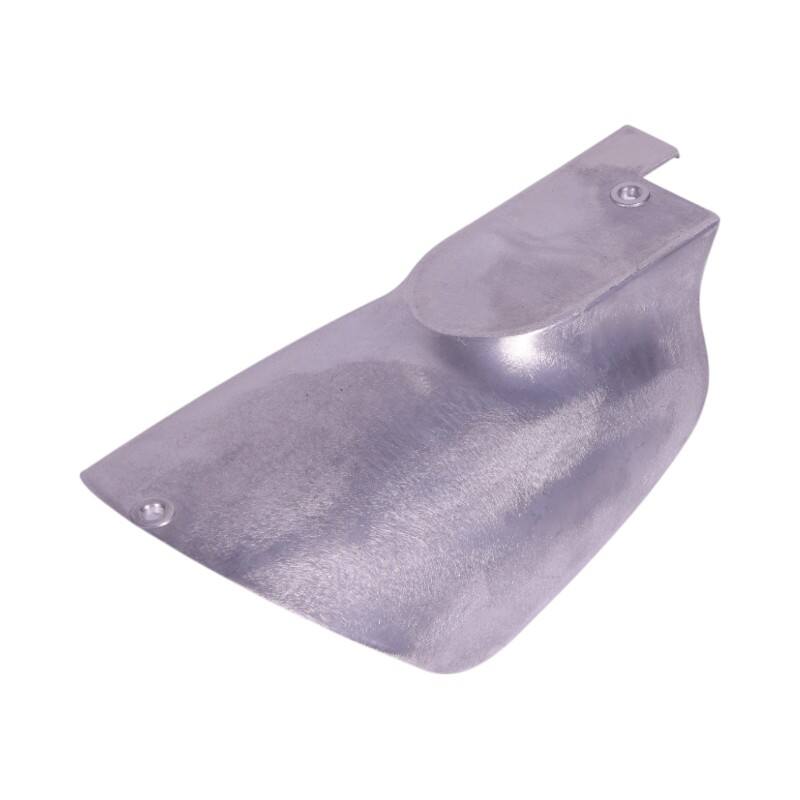
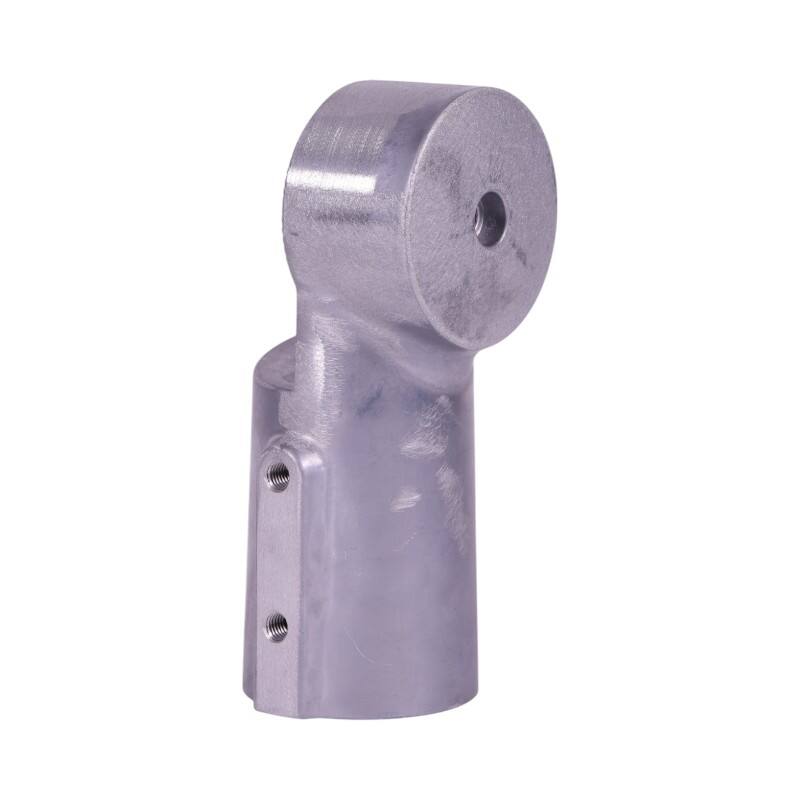
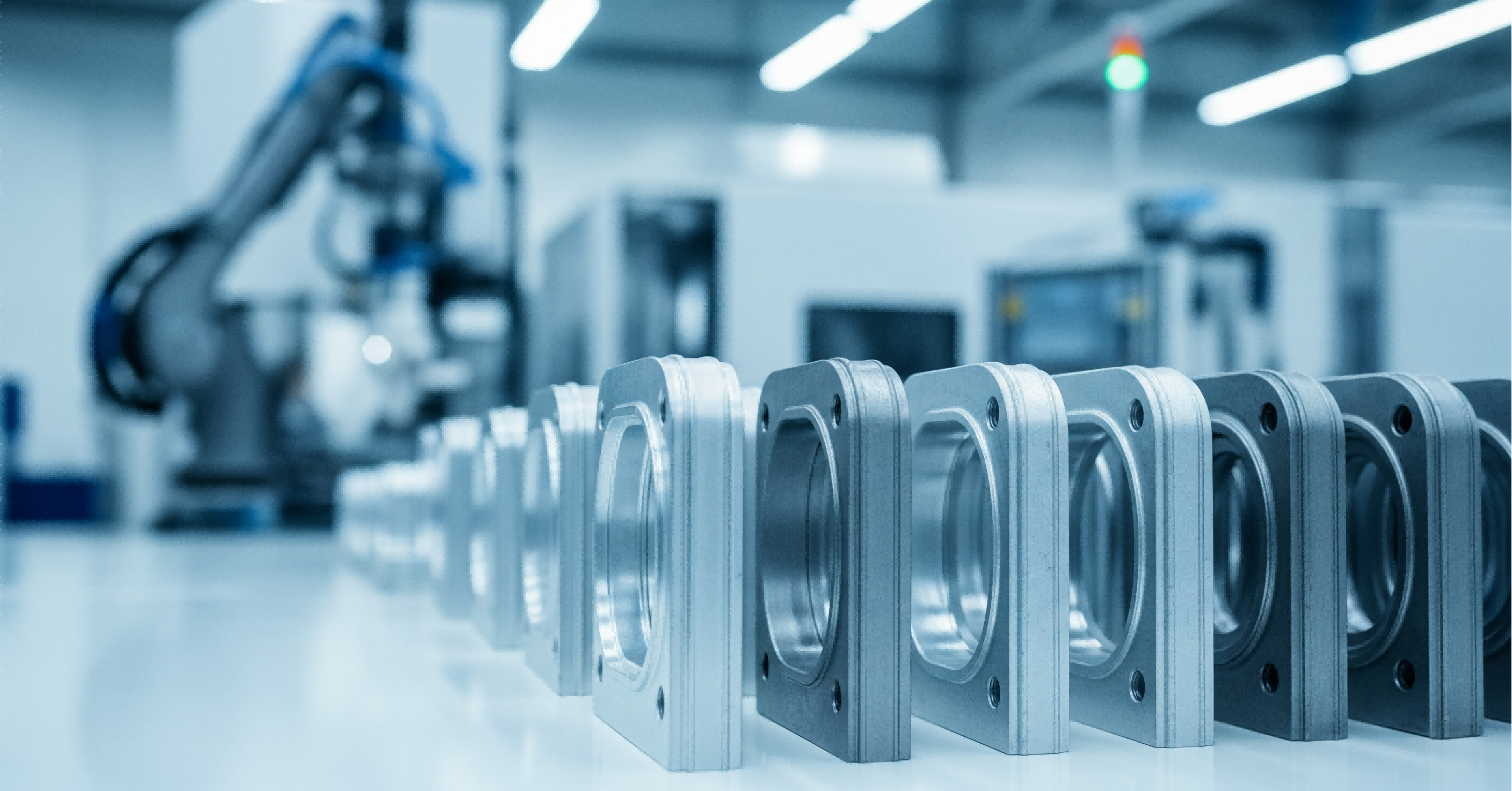
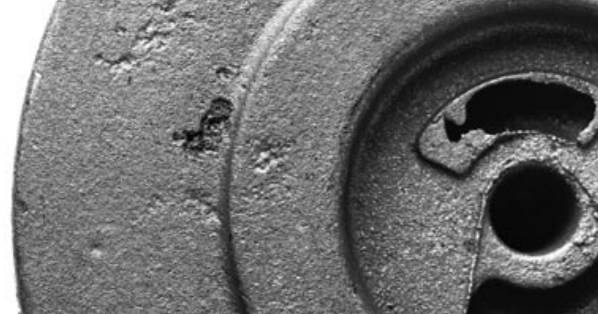
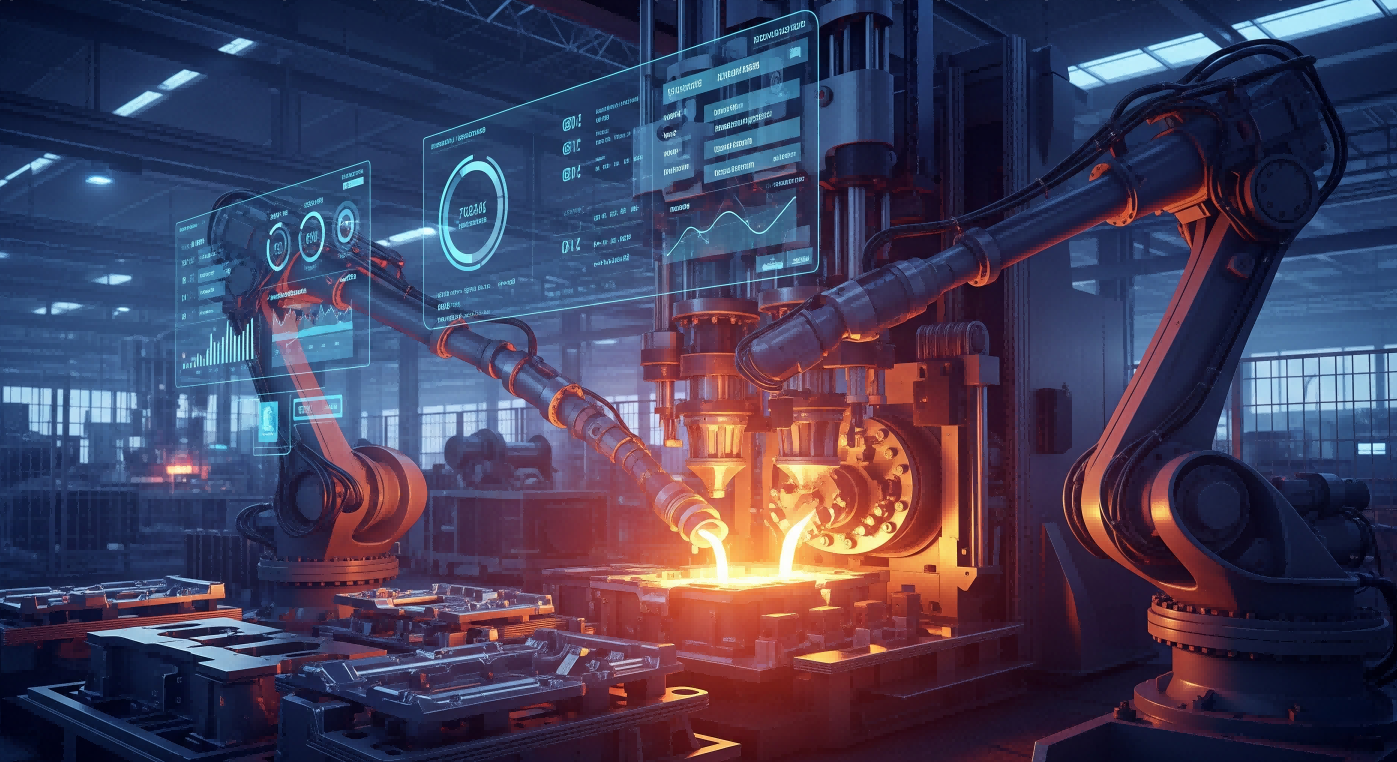
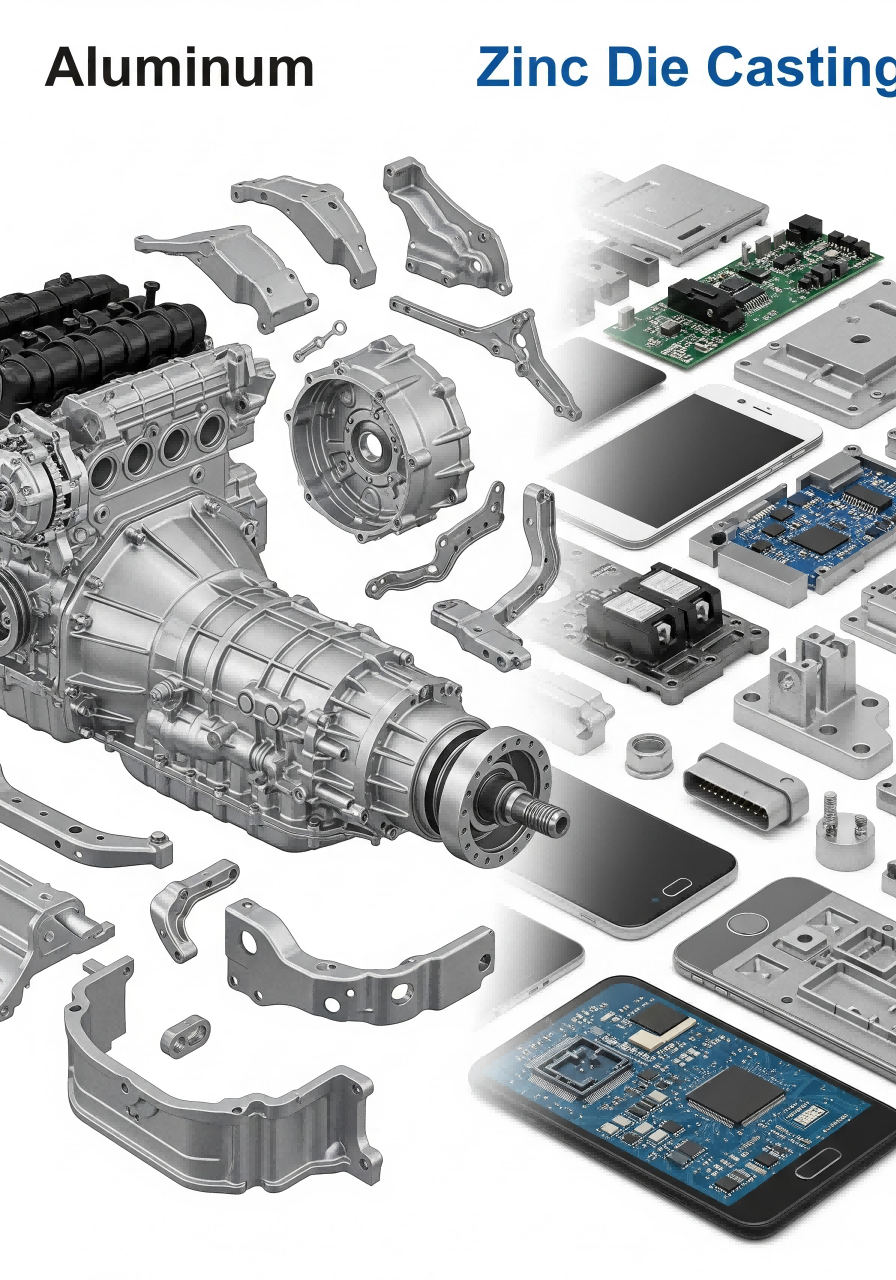
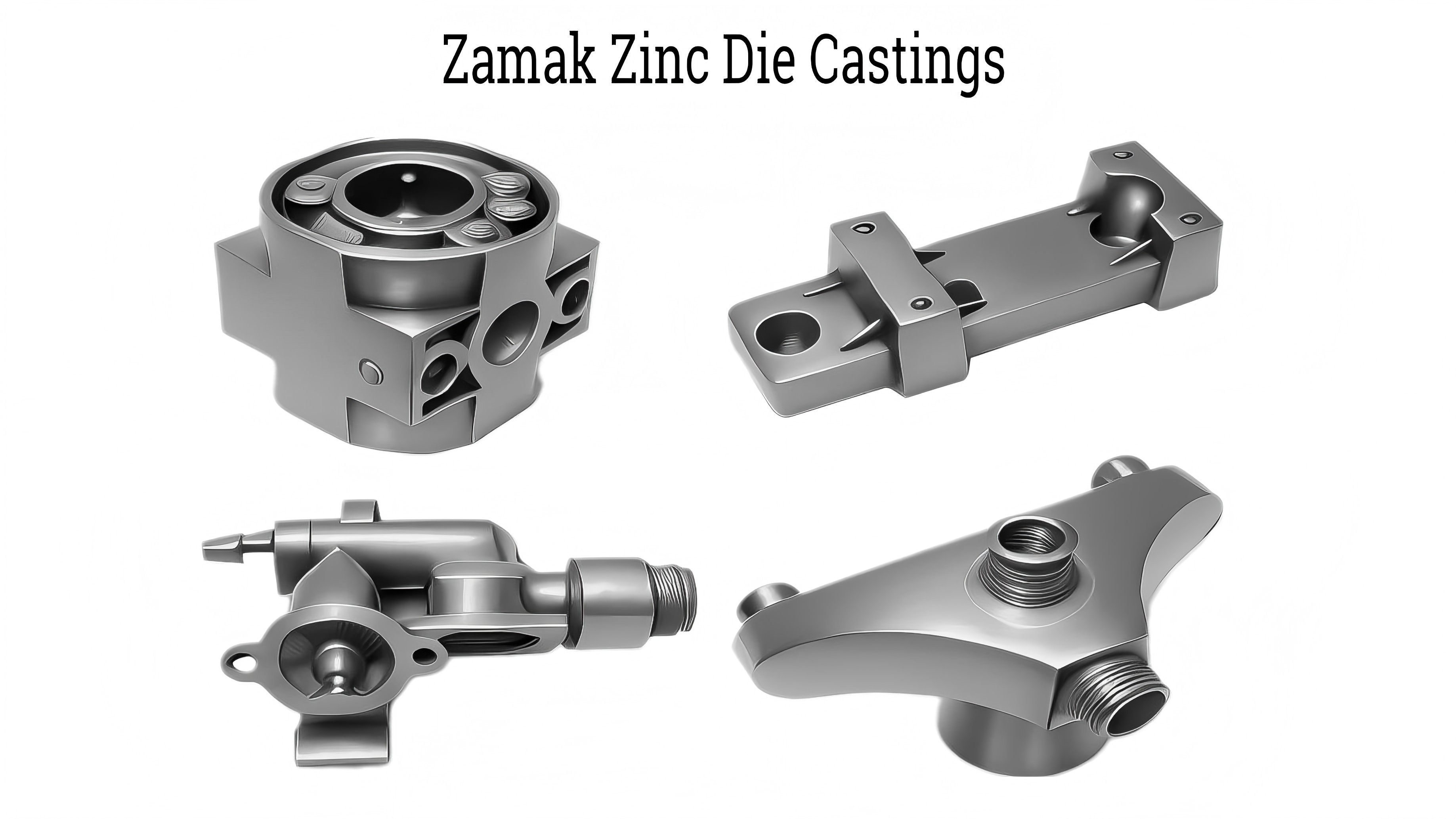
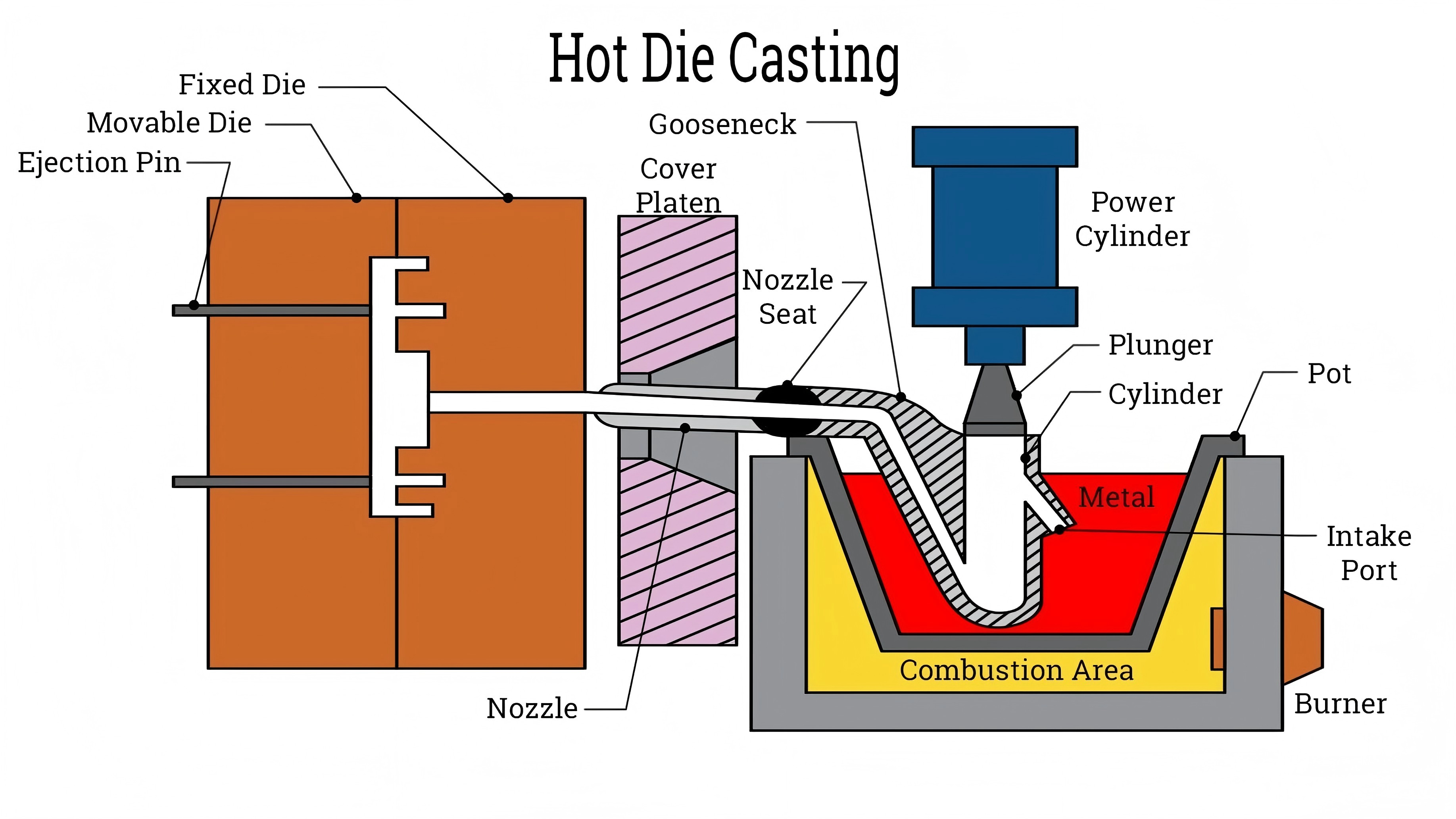
Zamak die casting is a versatile manufacturing process for producing high-precision, lightweight metal components with excellent surface finishes and dimensional stability. At Sino Die Casting, we specialize in zamak alloys (Zamak 2, 3, 5, and 7), which combine zinc, aluminum, magnesium, and copper to offer tailored properties for diverse applications. Zamak 3, the most widely used alloy, provides superior fluidity during casting, enabling the production of thin-walled parts (0.5–3mm thickness) with intricate details, such as threaded inserts or logo embossing, without sacrificing structural integrity. Its low melting point (385°C) reduces energy consumption and tool wear compared to aluminum or magnesium die casting, while its self-lubricating properties extend mold lifespan by 30%. For applications requiring higher strength, Zamak 5 adds 1% copper to enhance hardness (90 HB) and tensile strength (380 MPa), making it suitable for automotive components like door handles or gear shifters that endure repetitive stress. Zamak 7, with improved creep resistance, is ideal for parts exposed to sustained loads or elevated temperatures, such as electrical connectors or thermal management housings. Our cold chamber die-casting machines (180T–1,200T) accommodate parts weighing from 10g to 10kg, with clamping forces optimized to minimize flash and ensure uniform filling of complex cavities. Advanced simulation software predicts mold flow and solidification patterns, reducing trial-and-error iterations by 50% and accelerating prototyping. Post-casting, we offer secondary operations like CNC machining (tolerances ±0.02mm), vibration polishing, and surface treatments such as electroplating (nickel, chrome) or powder coating (RAL colors) to enhance corrosion resistance and aesthetics. For example, Zamak 3 housing units for smart locks undergo 240-hour salt spray testing after chrome plating, achieving a 10-year outdoor durability rating. By integrating DFM principles early in the design phase, we optimize part geometry for manufacturability, reducing material waste by 20% and production costs by 15%. Our automated quality systems, including real-time SPC monitoring and AI-powered defect detection, ensure consistent compliance with ASTM B86 and ISO 8062 standards. Whether you need prototypes for product validation or high-volume production runs, our scalable facilities and global logistics network deliver on time and within budget.