Aluminium Surface Treatment Experts | ISO-Certified Finishes for Durability & Performance

Get a Free Quote

Our representative will contact you soon.
Email
Mobile/WhatsApp
Name
Company Name
Attachment
Please upload at least an attachment
Up to 3 files,more 30mb,suppor jpg、jpeg、png、pdf、doc、docx、xls、xlsx、csv、txt、stp、step、igs、x_t、dxf、prt、sldprt、sat、rar、zip
Message
0/1000

Sino Die Casting: Advanced Surface Treatment Solutions for Global Industries

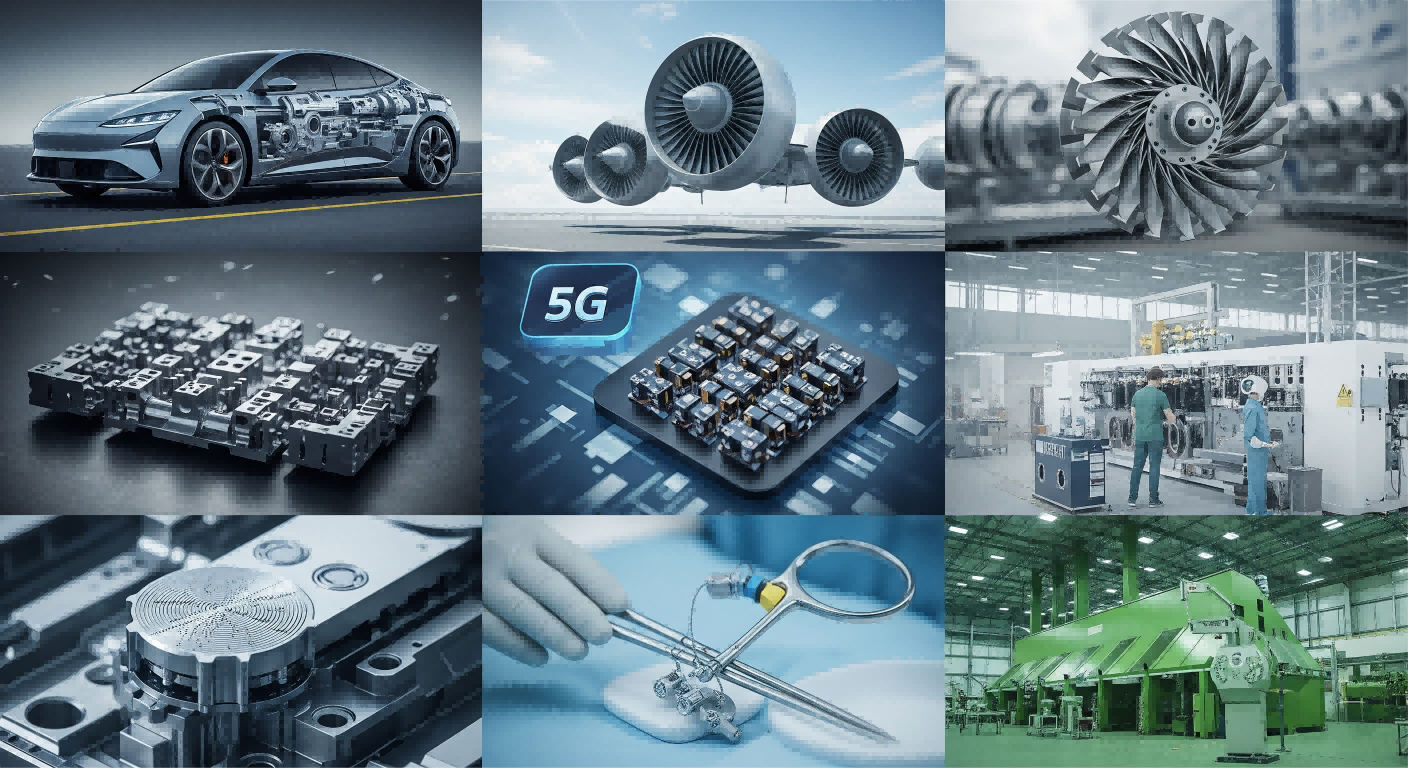
Founded in 2008 in Shenzhen, China, Sino Die Casting is a high-tech manufacturer specializing in high-precision mold design, die casting, CNC machining, and customized surface treatment services. Our ISO 9001-certified facility integrates advanced technologies to deliver durable, aesthetically superior finishes for components across automotive, new energy, robotics, and telecommunications sectors. With expertise in over 30 surface treatment methods—including powder coating, anodizing, electroplating, and PVD coating—we ensure parts meet stringent industry standards for corrosion resistance, wear resistance, and visual appeal. Whether you require UV-stable finishes for outdoor telecom enclosures, hard-anodized coatings for robotic joints, or conductive plating for automotive electronics, our in-house lab rigorously tests each finish to guarantee performance in harsh environments. Exporting to over 50 countries, we support clients from rapid prototyping to mass production, offering tailo
Get A Quote


Why Sino Die Casting Leads in Surface Treatment Innovation

In-House Lab for Accelerated Durability Testing

Salt spray chambers (500–2,000 hours), UV aging testers, and cross-cut adhesion equipment validate coatings before production. For a telecom client, we identified a flaw in a competitor’s anodizing process, preventing potential $2M in field failures.

Related products

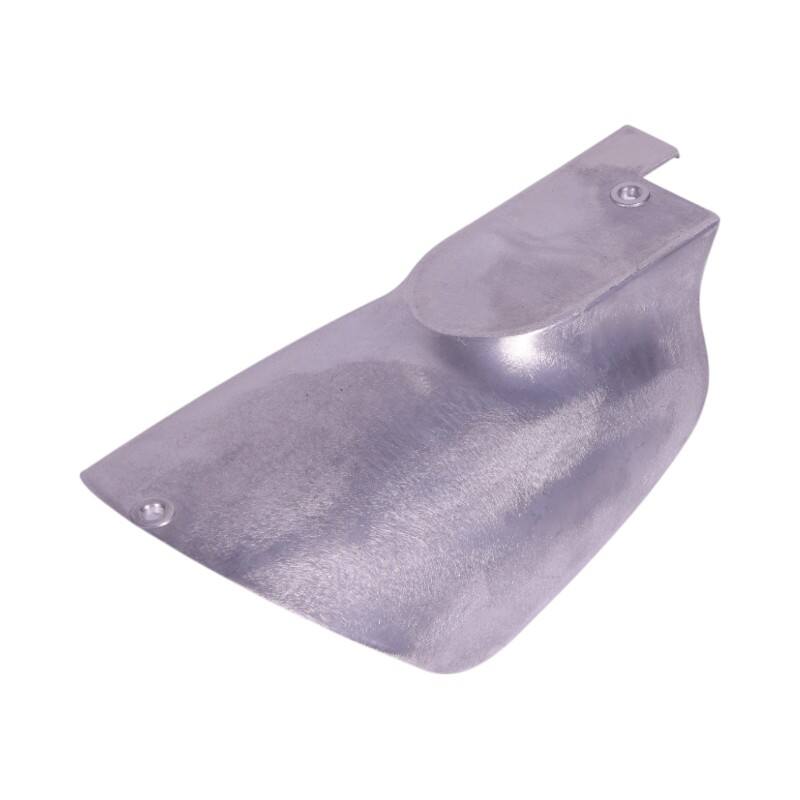
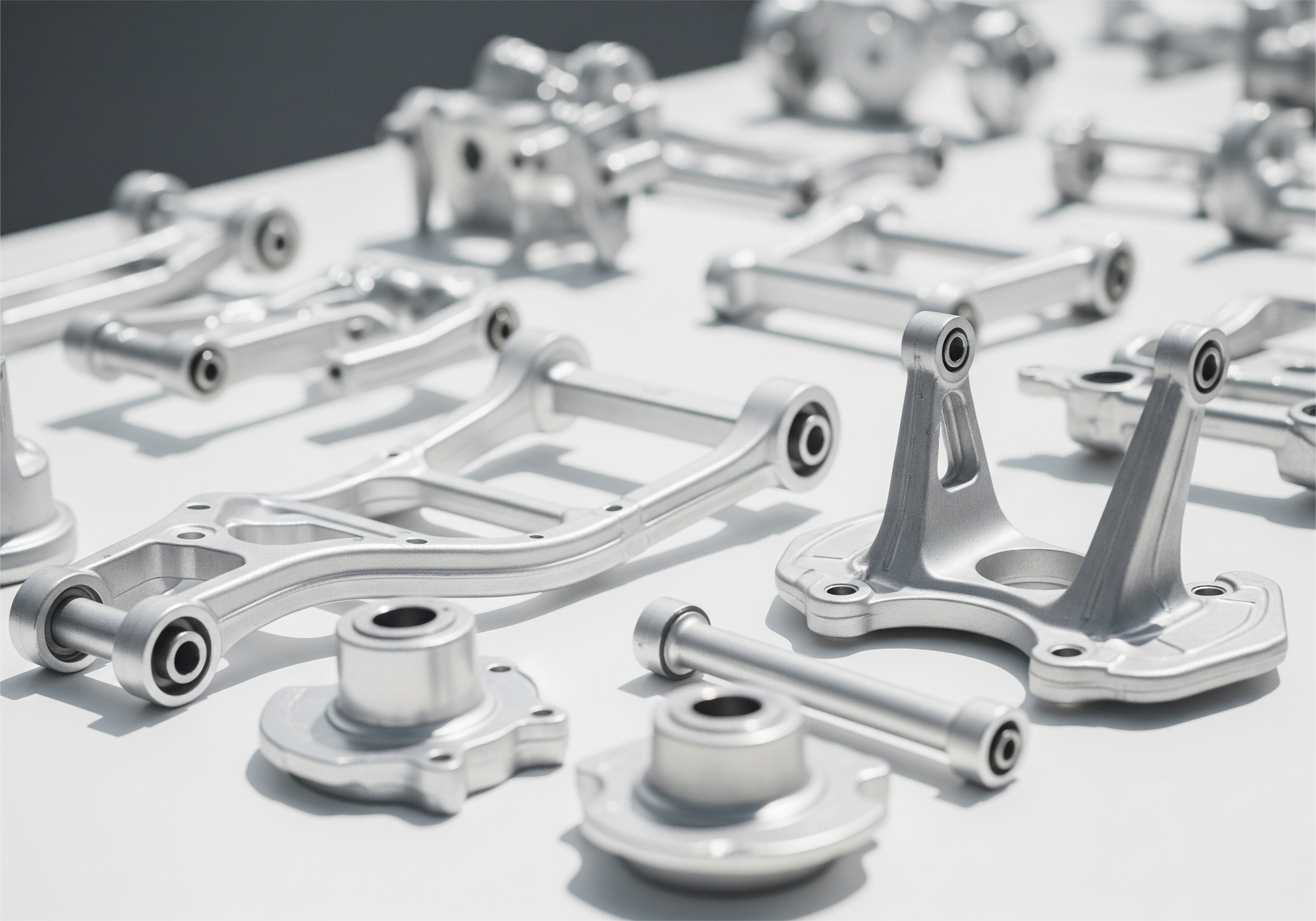
Sino Die Casting, established in 2008 in Shenzhen, China, has extensive expertise in aluminium surface treatment, a vital process that significantly enhances the properties and applications of aluminium components across multiple industries such as automotive, new energy, robotics, and telecommunications.Aluminium is a popular choice in many industries due to its lightweight nature, high strength - to - weight ratio, and good thermal and electrical conductivity. However, to fully optimize its performance and ensure its longevity, proper aluminium surface treatment is essential. One of the key aspects of our aluminium surface treatment is to improve its wear resistance. In the robotics industry, for example, aluminium parts are often subject to repeated mechanical stress and friction. Our surface treatment techniques, such as hard anodizing, can significantly increase the hardness of the aluminium surface, making it more resistant to wear and tear. This extends the service life of the robotic components, reducing maintenance costs and downtime.In the automotive sector, aluminium surface treatment plays a crucial role in enhancing fuel efficiency. By reducing the weight of the vehicle through the use of aluminium components, and then further improving their surface properties, we can contribute to better overall performance. Electrophoretic deposition is one of the surface treatment methods we use for automotive aluminium parts. This process creates a uniform and dense coating on the aluminium surface, providing excellent corrosion protection and improving the part's ability to withstand harsh environmental conditions. It also helps in reducing the friction between moving parts, thereby improving the vehicle's fuel efficiency.For the new energy industry, especially in the manufacturing of battery - related aluminium components, surface treatment is critical for ensuring safety and reliability. We offer plating services as part of our aluminium surface treatment portfolio. Plating can deposit a thin layer of another metal, such as nickel or zinc, onto the aluminium surface. This not only enhances the corrosion resistance but also improves the electrical conductivity and solderability of the aluminium parts, which are essential for the proper functioning of new energy devices.Our team of skilled engineers and technicians is well - trained in the latest aluminium surface treatment technologies. We have invested in advanced equipment and facilities to ensure precise control over the treatment processes. With our ISO 9001 certification, we are committed to delivering high - quality aluminium surface treatment solutions that meet the stringent requirements of our global clients. Whether it's a small - scale custom project or large - volume production, we have the capabilities to provide tailored surface treatment services for aluminium components in various industries.

Frequently Asked Questions

Do your surface treatments comply with EU environmental regulations?

Yes. All finishes meet REACH Annex XVII restrictions on heavy metals and are tested for hexavalent chromium. Our trivalent chromium plating replaces toxic hexavalent processes without compromising corrosion resistance.

Related Articles

The Significance of ISO 9001 in Die Casting Industry

03

Jul

The Significance of ISO 9001 in Die Casting Industry

Fundamentals of ISO 9001 in Die Casting What Is the ISO 9001 Certification? ISO 9001 certification stands as one of those international standards everyone knows about when talking about quality management systems (QMS). What ...
View More
Aluminum Die Casting vs. Zinc Die Casting: Which Is Better?

16

Jul

Aluminum Die Casting vs. Zinc Die Casting: Which Is Better?

Aluminum vs. Zinc Die Casting: Core Differences Fundamental Process Characteristics In general, when producing an aluminum die-casting, molten aluminum is ejected into a mold under high pressure. This process promotes a shorter cycle time and th...
View More
Top 10 Innovative Die Casting Applications in 2025

16

Jul

Top 10 Innovative Die Casting Applications in 2025

Automotive Innovations Driving Die Casting Demand in 2025 EV Battery Housings and Motor Casings Electric vehicles are becoming increasingly popular, and this trend is driving significant demand for die cast components, especially when it comes to m...
View More
Die Casting vs CNC Machining: Which is Better for Your Project?

18

Jul

Die Casting vs CNC Machining: Which is Better for Your Project?

Understanding Die Casting and CNC Machining Processes Fundamentals of Die Casting: Mold-Based Production Die casting remains one of the most important ways manufacturers create parts by pushing molten metal into molds using high pressure. Two main ...
View More

customer evaluation

Brooklyn
Cost-Effective Compliance with RoHS 3

By replacing our old hexavalent chromium plating with Sino’s trivalent process, we cut chemical disposal costs by 60% while maintaining 500-hour neutral salt spray performance.

Get a Free Quote

Our representative will contact you soon.
Email
Mobile/WhatsApp
Name
Company Name
Attachment
Please upload at least an attachment
Up to 3 files,more 30mb,suppor jpg、jpeg、png、pdf、doc、docx、xls、xlsx、csv、txt
Message
0/1000
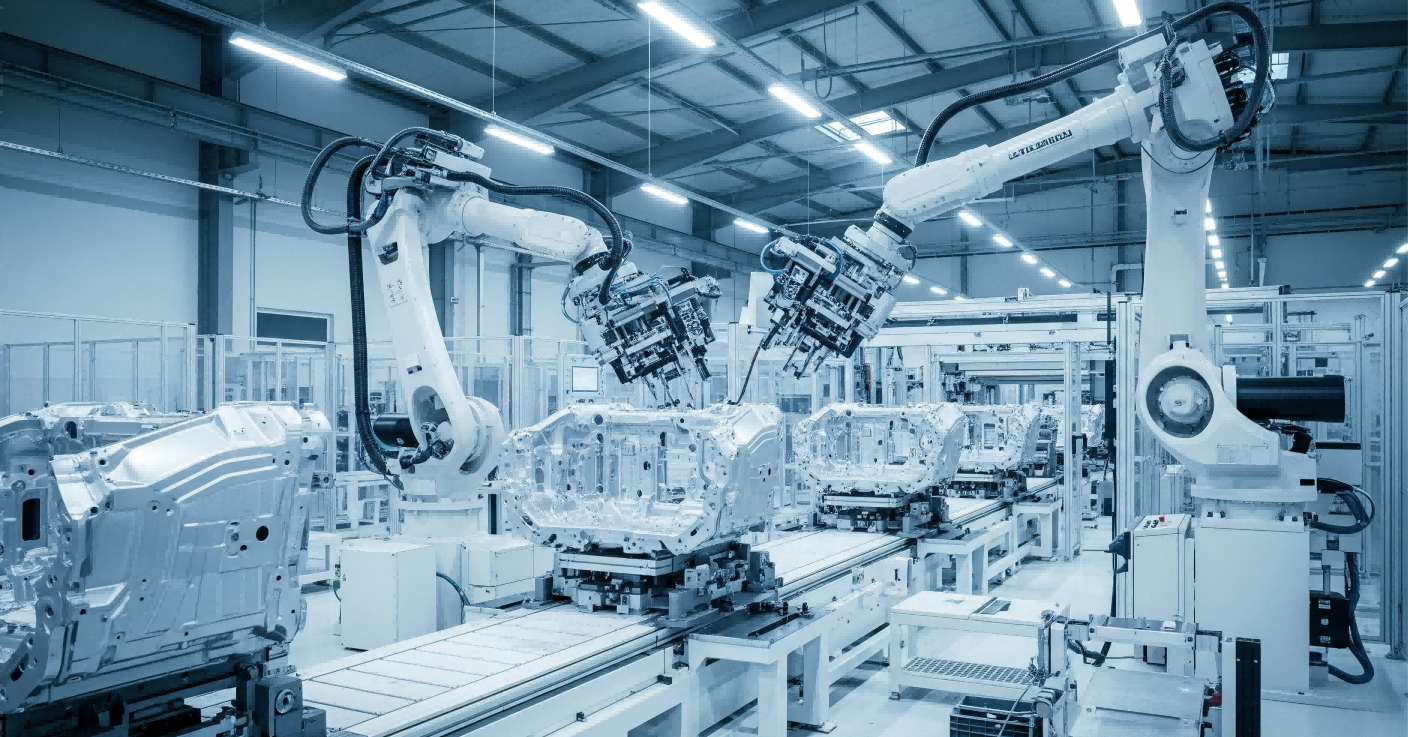
Automated Powder Coating Lines for 98% First-Pass Yield

Automated Powder Coating Lines for 98% First-Pass Yield

Our Nordson color-change systems switch coatings in 15 minutes, minimizing waste. For a solar inverter client, this reduced rework costs by $12,000 monthly while achieving AAMA 2605 certification.
Plasma Electrolytic Oxidation (PEO) for Lightweight Armor

Plasma Electrolytic Oxidation (PEO) for Lightweight Armor

This ceramic-like coating increases magnesium die-casting hardness to 800 HV, enabling a drone manufacturer to replace steel components and reduce weight by 65% without sacrificing ballistic resistance.
 Real-Time Quality Monitoring via IoT Sensors

Real-Time Quality Monitoring via IoT Sensors

Embedded probes on our anodizing lines adjust voltage and temperature dynamically, maintaining 10μm coating thickness on robotic arm joints. A medical device client reported zero rejects across 50,000 units.